 Pay Online

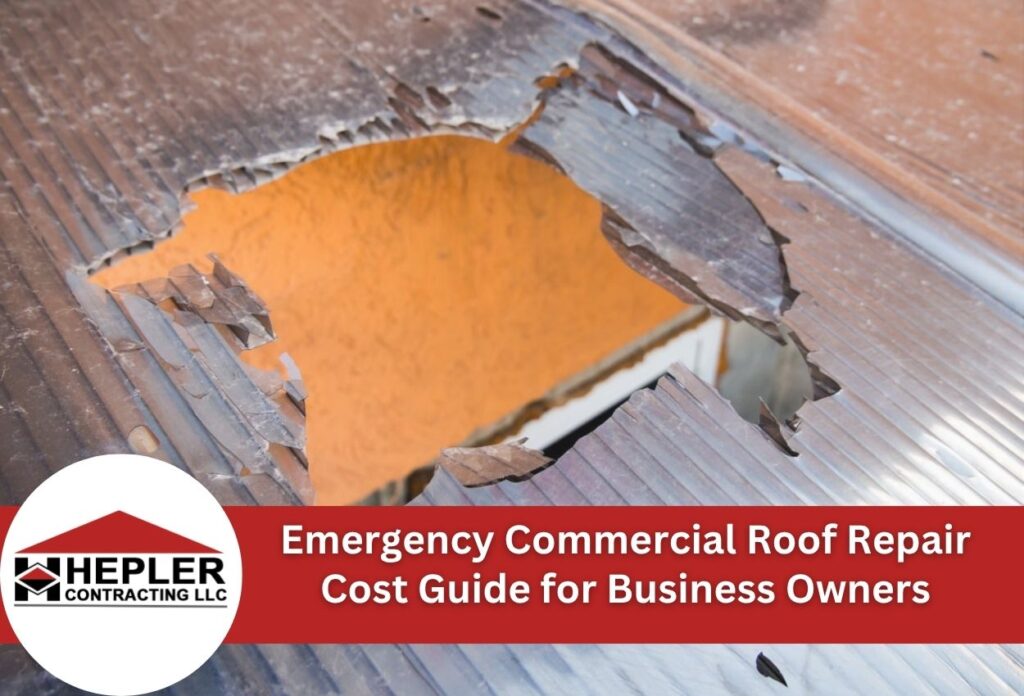
A damaged commercial roof demands immediate attention. Water leaking through the ceiling, missing shingles after a storm, or visible structural damage can quickly spiral into major problems that affect daily operations. Emergency commercial roof repair costs vary based on several factors, but understanding what drives these expenses helps business owners respond quickly and confidently when disaster strikes.
Taking swift action when roof damage occurs prevents small issues from becoming catastrophic failures. A minor leak today can lead to damaged inventory, ruined equipment, and expensive business interruptions tomorrow. Commercial roof damage repair that happens quickly protects the building’s interior and maintains a safe environment for employees and customers.
Several elements determine emergency roofing services. The extent of damage, roof type, accessibility, and time of day all play roles in pricing. Commercial roofing contractor rates also reflect the urgency of the situation and the specialized equipment needed for emergency response. Business owners who understand these cost factors can evaluate quotes more effectively and choose the right contractor for their urgent roof repair expenses. Knowing what influences commercial roof repair pricing removes uncertainty during stressful situations and ensures that businesses receive quality repairs that protect their investment.
Signs Your Commercial Roof Needs Emergency Repair
Recognizing when a commercial roof requires immediate attention can save thousands in additional damage and prevent business disruptions. Certain visible problems signal that waiting for repairs could lead to serious consequences. Active leaks during or after rainfall indicate that water is leaking into the roofing system and potentially damaging the building’s interior structure.
- Ponding water that remains on the roof’s surface for more than 48 hours after rain suggests drainage issues that can accelerate roof deterioration.
- Visible tears or punctures in the roofing membrane create entry points for moisture and should be addressed immediately.
- Storm damage such as lifted sections, blown-off materials, or debris impact requires prompt professional assessment to prevent further deterioration.
Not all urgent roofing problems are immediately visible from ground level. Water stains appearing on interior ceilings or walls indicate that moisture has already gotten into the building, and commercial roof damage repair should begin quickly. Musty odors in upper floors or near the roofline often signal hidden water accumulation and potential mold growth. Unexplained increases in heating or cooling costs may point to compromised insulation from undetected roof damage. These hidden warning signs require professional inspection to determine whether emergency commercial roof repair is necessary to protect the building and its contents.
What Influences Emergency Commercial Roof Repair Costs?
The scope and nature of damage significantly impact emergency commercial roof repair costs. A small puncture or minor leak requires different materials and labor compared to widespread membrane failure or structural damage. Simple repairs that address isolated problems typically involve patching materials and basic sealing techniques. Extensive damage that compromises larger roof sections demands more intensive work, including the removal of damaged materials, roof deck preparation, and the installation of new roofing components. Commercial roof damage repair becomes more expensive when multiple systems are affected or when water has gotten to insulation and decking materials beneath the surface membrane.
Beyond the damage itself, several practical considerations affect commercial roof repair pricing. Roof accessibility challenges, such as building height, obstacles on the rooftop, or limited access points, require specialized equipment and additional safety measures. Material requirements vary based on the existing roof type, whether it involves TPO, EPDM, modified bitumen, or built-up roofing systems. Weather conditions during the repair may call for temporary protective measures and may slow progress. After-hour services, including nights, weekends, and holidays, typically have higher rates that reflect the urgency and inconvenience of an emergency response.
Types of Emergency Commercial Roof Repairs and Their Costs
Different roofing systems experience distinct types of failures that require specific repair approaches. Flat roof membrane patches address tears, punctures, or seam separations that commonly affect TPO, EPDM, and PVC roofing materials. These repairs involve cleaning the damaged area, applying compatible patching materials, and ensuring proper adhesion to create a watertight seal. Drainage problems develop when roof drains become clogged or when settling creates low spots where water accumulates. Emergency roofing service costs for drainage issues include clearing blockages, adjusting drain hardware, or installing temporary pumping solutions to remove standing water. Flashing repairs become necessary when metal components around roof gaps, parapet walls, or transitions fail and allow leaks to form. Proper flashing work requires matching existing materials and ensuring secure attachment that withstands wind and weather exposure.
Some situations need more extensive emergency interventions that protect the building until permanent repairs can be completed. Temporary weatherproofing involves installing tarps, shrink wrap, or temporary membrane systems over damaged sections to prevent ongoing water issues. Structural repairs address compromised roof decking, damaged support beams, or weakened attachment points that threaten the roof’s structural integrity. Partial roof replacements become necessary when damage extends past what patching can effectively address, requiring the removal and replacement of entire roof sections. These major emergency interventions represent larger investments in urgent roof repair expenses but prevent catastrophic failure and protect valuable building contents. Commercial roofing contractor rates for comprehensive emergency work reflect the materials, labor, and equipment needed to stabilize the situation and restore protection quickly.
Selecting a Qualified Emergency Roofing Contractor
Licensed roofing contractors have met state and local requirements that demonstrate their knowledge of building codes and industry standards. Insurance coverage, including both general liability and workers’ compensation, protects property owners from financial responsibility if accidents or additional damage occur during repairs. Emergency availability distinguishes contractors who maintain on-call teams and equipment ready for immediate response from those who only work standard business hours. Experience with commercial roofing systems matters because industrial and business buildings have different requirements than residential properties, particularly regarding membrane systems, drainage, and structural weight.
Certain warning signs should raise concerns when selecting emergency repair services:
- Unusually low bids compared to other estimates often indicate inferior materials, inadequate repairs, or hidden costs that emerge later.
- Door-to-door solicitors who appear after storms frequently lack proper credentials and may perform substandard work before disappearing.
- Contractors demanding full payment up front create risk because property owners lose leverage if problems arise or work remains incomplete.
- Pressure tactics that discourage getting multiple quotes or rush decisions without allowing proper review suggest questionable business practices.
- Vague contracts lacking detailed scope descriptions, material specifications, and clear timelines leave room for disputes and misunderstandings.
Reputable contractors provide written estimates, maintain proper credentials, offer references from commercial clients, and explain their repair approach thoroughly before beginning work on emergency commercial roof repair projects.
Preventing Future Emergency Repairs Through Maintenance
Regular roof inspections catch minor problems before they escalate into situations requiring emergency commercial roof repairs, which also means higher costs on your end. Professional inspections conducted twice a year, typically in spring and fall, identify damage from seasonal weather and allow repairs during favorable conditions. Scheduled assessments examine membrane condition, flashing integrity, drainage function, and structural elements that support the roofing system. Documenting roof conditions over time establishes maintenance records that help predict when components may need attention and prevent unexpected failures. Business owners who invest in routine inspections reduce the likelihood of discovering major damage during storms or extreme weather when urgent roof repair expenses become unavoidable.
Proactive maintenance extends roof lifespan and minimizes the frequency of commercial roof damage repair situations. Keeping drains and gutters clear prevents water accumulation that degrades roofing materials and causes leaks. Addressing minor cracks or separations immediately stops leaks before they compromise insulation and decking. Applying protective roof coatings creates additional barriers against UV exposure and weathering that accelerate deterioration. Trimming overhanging tree branches eliminates debris accumulation and reduces impact damage during storms. These preventive measures require modest investments compared to emergency roofing services when systems fail unexpectedly. Commercial roofing contractor rates for scheduled maintenance work are typically lower than emergency response pricing because planned services allow efficient resource allocation.
Working With Insurance for Emergency Roof Repairs
Proper documentation immediately after discovering commercial roof damage strengthens insurance claims and helps secure coverage for necessary repairs. Photographs from multiple angles showing the extent of damage create visual evidence that adjusters use to evaluate claims. Taking pictures before any temporary repairs begin preserves the original condition and prevents disputes about what damage existed initially. Written notes describing when the damage was discovered, weather conditions at the time, and any immediate impacts on business operations provide context that supports the claim. Collecting receipts for temporary protective measures, such as tarps or emergency services, demonstrates efforts to prevent additional damage, which most policies require policyholders to undertake.
Communication with insurance adjusters affects how efficiently claims proceed and whether the emergency commercial roof repair cost receives full consideration. Notifying the insurance company promptly after discovering damage meets policy requirements and starts the claims process before conditions get worse. Providing complete information about the roofing system, including age, previous repairs, and maintenance history, helps adjusters assess whether damage resulted from covered events or pre-existing conditions. Scheduling adjuster inspections quickly allows professional damage assessment while evidence remains fresh. Having a qualified roofing contractor present during insurance inspections ensures that all damage receives proper documentation and that repair scope discussions include technical expertise about what work is necessary.
Understanding coverage limitations helps set realistic expectations about which emergency repairs insurance will fund. Most commercial policies cover sudden damage from storms, fire, vandalism, or other specified perils but exclude deterioration from lack of maintenance or normal wear. Permanent repairs addressing covered damage should receive approval, though deductibles apply, and coverage limits may not fund complete replacement if the damage is partial. Commercial roof damage repairs that address pre-existing problems or deferred maintenance usually fall outside the coverage scope. Business owners facing urgent repairs sometimes must proceed with temporary stabilization before receiving final insurance approval. Documenting these measures and obtaining written estimates helps ensure reimbursement for necessary emergency work while formal claims processing continues.
Choose Hepler Contracting LLC for Your Emergency Commercial Roof Repair Needs in Pittsburgh
When facing an urgent roof issue, knowing the emergency commercial roof repair cost upfront helps you manage your business finances effectively. At Hepler Contracting LLC, we understand the urgency and the financial implications of commercial roof damage. Our team of certified professionals is ready to assess and address your roofing problems quickly to prevent further damage and additional costs.
Don’t let a damaged roof affect your business operations longer than it should. Call Hepler Contracting LLC today at (412) 694-8785 for a comprehensive evaluation and transparent pricing. Our swift, reliable service ensures your commercial property is protected without delay.