 Pay Online

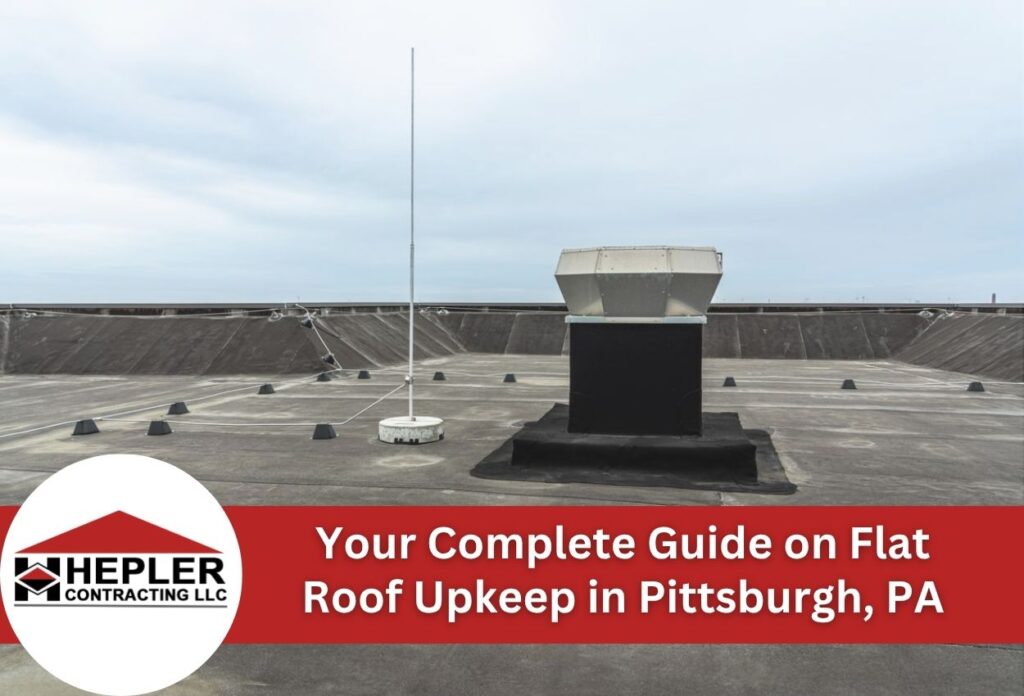
Flat roofs have different maintenance needs compared to traditional sloped roofing systems. Unlike pitched roofs that naturally shed water and debris, flat roofs rely on drainage systems and regular upkeep to prevent water pooling and structural damage. Pittsburgh’s harsh winters, with heavy snow and freeze-thaw cycles, combined with intense summer heat, create challenging conditions for flat roofing materials.
Understanding flat roof upkeep requires recognizing the importance of their drainage systems and regular inspections. Water accumulation poses the greatest threat to flat roof systems, making proper maintenance essential for preventing leaks, membrane deterioration, and structural weakening.
Most flat roof maintenance tips focus on proactive care rather than reactive repairs. Regular inspections can spot potential problems before they cause extensive damage, while maintenance tasks include removing debris, clearing drains, inspecting the membrane, and evaluating seals and flashing. These routine activities significantly extend the roof’s lifespan while protecting the building’s interior from water damage.
Property owners who follow consistent maintenance schedules typically experience fewer emergency repairs and longer-lasting roofs. Overall, the investment in regular upkeep pays off through improved energy efficiency, reduced repair costs, and enhanced property protection.
Creating Your Flat Roof Inspection Schedule
Having a flat roof inspection routine can prevent major problems from developing and compromising the entire building. Seasonal flat roof maintenance requires different approaches throughout the year. Spring inspections should focus on winter damage, including membrane tears, loose flashing, and compromised drainage systems. Summer evaluations examine heat-related expansion effects and UV damage to roofing materials, while fall preparations involve debris removal and drain clearing before winter weather arrives.
Professional flat roof inspections typically occur twice per year, while property owners can perform monthly assessments. However, key indicators that your roof needs immediate attention include standing water that persists beyond 48 hours after rainfall, visible membrane bubbling or cracking, and clogged drainage systems.
Additional warning signs that warrant a professional roof evaluation include interior water stains, unusual odors suggesting moisture infiltration, and visible membrane separation at seams. Energy bill increases may also indicate compromised roof insulation due to water damage.
Flat roof maintenance plans should align with local weather patterns. Properties in areas with heavy rain or snow benefit from more frequent monitoring, particularly around drains and roof edges where problems commonly develop.
No matter the weather, regular monitoring allows property owners to identify potential concerns during their earliest stages, when repairs remain manageable and affordable.
Mastering Drainage on Your Flat Roof
Maintaining the drainage system is the most critical aspect of successful flat roof maintenance. Unlike sloped roofing systems that naturally direct water away from structures, flat roofs depend entirely on engineered drainage solutions to prevent pooling and subsequent damage. Standing water creates immediate risks, including membrane deterioration, structural stress, and potential interior flooding.
Effective flat roof drainage solutions typically incorporate primary drains, secondary overflow systems, and perimeter scuppers working together. Primary drains handle normal rainfall volumes, while overflow drains are used during heavy precipitation. Scuppers provide additional water evacuation through roof edges, preventing backup that could compromise the entire system.
Regular maintenance of these components keeps water flowing away from the roof. Debris accumulation can block drainage pathways, forcing water to seek alternative routes that often lead to membrane leaks. Monthly cleaning removes leaves, twigs, and sediment that naturally collect in drainage components.
Drain inspections should focus on strainer condition, pipe alignment, and surrounding membrane integrity. Loose strainers allow debris into drainage systems, creating blockages deep within the building structure. Properly secured strainers prevent these complications while maintaining adequate water flow.
Scupper maintenance involves checking for proper slope alignment and clearing any obstructions. These secondary drainage features require unobstructed pathways to function effectively during emergency overflow situations. Regular flat roof maintenance tips emphasize keeping all drainage components clean and functional throughout every season.
Protecting Your Flat Roof from Weather Damage
Weather protection strategies vary depending on your flat roofing material. EPDM rubber membranes require different care than TPO or modified bitumen systems, making material identification essential for effective flat roof upkeep. Each membrane type responds differently to temperature fluctuations, UV exposure, and precipitation patterns common in Pittsburgh.
EPDM membranes usually show weather damage through surface chalking, cracking along seams, and membrane shrinkage. These rubber systems benefit from periodic cleaning with mild detergents to remove accumulated dirt and organic growth. TPO membranes, on the other hand, typically exhibit heat-welded seam separation and surface discoloration before developing leaks.
Modified bitumen roofs show weather wear through granule loss, surface blistering, and edge lifting around penetrations. These multi-layer systems often telegraph underlying problems through surface irregularities that develop gradually over multiple seasons. However, early recognition prevents membrane failure that leads to structural water damage.
No matter the roofing material, simple cleaning techniques protect the surface from premature deterioration caused by debris accumulation. Monthly removal of leaves, branches, and organic matter prevents staining and reduces moisture retention that accelerates aging. Property owners should focus on gentle brushing to remove surface contaminants without damaging protective coatings.
Flat roof maintenance tips often focus on gentle cleaning methods over aggressive techniques that could compromise membrane integrity. Power washing is typically too harsh for most flat roof surfaces, while soft-bristle brooms effectively remove debris without causing damage. Regular flat roof inspections during cleaning can reveal developing problems that need professional attention.
Handling Minor Flat Roof Repairs Before They Worsen
Early intervention keeps small flat roof issues from developing into structural problems that require extensive professional repairs. Simple problems like small punctures, loose seams, and minor membrane lifting often respond well to basic repair techniques when addressed promptly. Property owners can often tackle these issues before they compromise the entire roofing system.
Common repairable problems include small tears in EPDM membranes, separated TPO seams under 6 inches long, and minor flashing separation around rooftop equipment. These issues typically develop gradually and become visible during routine flat roof inspections. Basic repair materials like roofing cement, membrane patches, and caulk handle most minor problems effectively.
Successful DIY repairs require proper surface preparation, including thorough cleaning and complete drying before applying patches or sealants. Emergency repairs during wet weather provide temporary protection but need permanent fixes once conditions improve. Membrane patch repairs work best on clean, dry surfaces with adequate overlap extending beyond damaged areas.
Professional roofing contractors should handle repairs involving structural damage, extensive membrane separation, or problems around critical drainage areas. Multiple leak sources, membrane bubbling over large areas, complex flat roof drainage modifications, and compromised insulation also require specialized equipment and expertise beyond typical property owner capabilities.
It is important for property owners to know their repair limitations and recognize when professional intervention becomes necessary. Attempting complex repairs without proper training often creates additional problems that increase overall repair costs significantly.
Seasonal Flat Roof Care for Pittsburgh’s Weather
Pittsburgh’s extreme seasonal weather patterns need specific flat roof maintenance approaches throughout the year. Winter preparation is essential because heavy snow and repeated freeze-thaw cycles stress membrane systems and drainage components. Spring assessments can spot winter damage, while summer heat requires different protective strategies for optimal roof performance.
Winter flat roof upkeep focuses primarily on snow load management and ice dam prevention. Excessive snow accumulation creates structural stress that can compromise membrane integrity and overwhelm drainage systems. Regular snow removal prevents dangerous weight concentrations while maintaining access to critical roof components. Ice formation around drains creates backup that forces water under the membrane edges.
Additionally, freeze-thaw cycles cause membrane expansion and contraction that stress seams and flashing details. These repeated temperature fluctuations gradually separate membrane joints and create entry points for water infiltration. Pre-winter inspections can identify vulnerable seam areas requiring attention before cold weather arrives.
Spring maintenance activities address winter damage found during the flat roof inspection. Snow and ice removal often reveals membrane tears, loose flashing, and compromised drainage components that need immediate repair. Flat roof drainage solutions also become critical as spring rainfall tests systems stressed by winter weather.
Fall preparation involves debris removal and a drainage system evaluation before winter weather returns. Flat roof maintenance should prioritize drain clearing and gutter cleaning to prevent ice buildup. These seasonal flat roof maintenance tips ensure systems remain functional throughout Pittsburgh’s challenging winter months while protecting against weather-related damage.
Planning Long-Term Flat Roof Maintenance and Professional Services
Flat roof longevity depends on establishing comprehensive maintenance budgets and schedules that address both routine upkeep and long-term system needs. Property owners who develop structured financial plans for flat roof maintenance typically experience fewer emergency repairs and extended membrane lifespans. Strategic planning allows for predictable expenses while ensuring adequate funding remains available for unexpected issues.
Annual maintenance budgets should account for routine flat roof inspections, seasonal cleaning activities, and minor repairs. Professional evaluations twice yearly help identify developing problems before they require extensive interventions. Setting aside funds specifically for flat roof upkeep prevents deferred maintenance that leads to premature system failure and more expensive emergency repairs.
Long-term maintenance schedules should coordinate routine activities with major system components requiring periodic replacement. Drainage system cleaning should occur quarterly, while membrane assessments happen seasonally. Flat roof drainage systems may need updates every decade, depending on building settling and component wear.
When looking for qualified roofing professionals, contractors should possess specific flat roof experience, licensing, and insurance coverage that protects property owners during service. Contractors specializing in flat roof maintenance understand membrane systems, drainage requirements, and repair techniques specific to these roofing systems. Asking for references from recent flat roof projects can provide insight into the contractor’s reliability and work quality.
Priority services generally include annual comprehensive inspections, drainage system maintenance, and emergency repairs. Contractors who offer maintenance agreements typically provide better response times and consistent service quality. These relationships ensure familiar professionals handle ongoing flat roof maintenance while developing a comprehensive understanding of individual roof system needs and performance over time.
Pittsburgh’s Premier Flat Roof Maintenance Experts: Hepler Contracting LLC
Keeping your flat roof in prime condition requires meticulous care and routine maintenance, especially in regions with challenging weather like Pittsburgh. At Hepler Contracting LLC, our team is here to ensure your flat roof withstands the rigors of all seasons, including the harsh, snowy winters.
Is your flat roof ready for the upcoming season? Make sure it’s in top shape by calling the experts at Hepler Contracting LLC today at (412) 694-8785. We provide comprehensive flat roof maintenance services tailored to the needs of Pittsburgh homes and businesses. Secure your property today!