 Pay Online

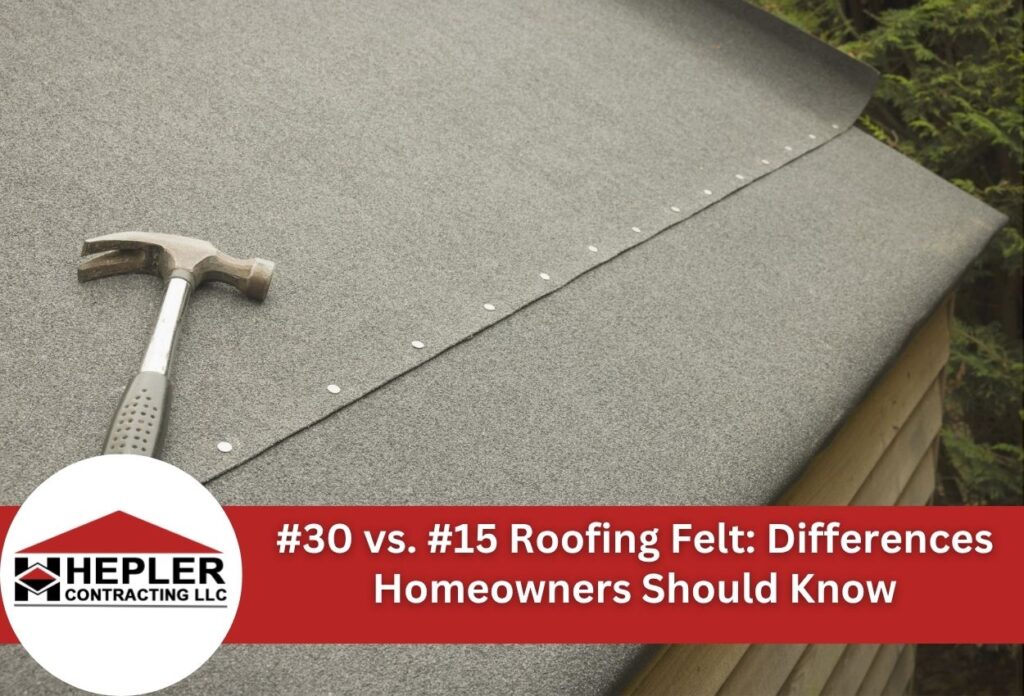
Roofing felt acts as a crucial protective barrier between the roof deck and shingles, safeguarding homes from water damage and extending the life of the entire roofing system. This underlayment material creates a waterproof shield that prevents moisture from seeping into the wooden deck, even when shingles become damaged or worn over time.
When selecting roofing felt, homeowners typically encounter two main options: #15 and #30 roofing felt. The numbers refer to the original weight specifications, with #30 and #15 representing different levels of thickness and durability.
The weight differences between these two types affect more than just the material’s heft. The choice impacts installation methods, weather resistance, and how long the roof will perform. The lighter #15 felt offers a more affordable option that works well for many standard roofing applications. The increased thickness and durability of #30 felt make it better suited for steeper roofs or areas with harsh weather conditions.
Selecting the appropriate felt underlayment ensures your home stays protected and can prevent expensive repairs down the road. The right choice depends on your roof pitch, regional climate conditions, and local building codes.
#30 vs. #15 Roofing Felt: Understanding The Main Differences
When choosing an underlayment for your roof, it is important to know the characteristics of both #30 and #15 felt. Below are some of the main differences homeowners should know.
Weight and Thickness
The pound ratings assigned to roofing felt no longer reflect the actual weight per square foot due to manufacturing changes over the years. Modern #15 roofing felt typically weighs around 7 to 9 pounds per square, or 100 square feet, while #30 felt weighs approximately 16 to 27 pounds per square. These underlayment weight differences stem from variations in the base materials and saturation levels used during production.
In general, #30 felt measures roughly twice as thick as #15 felt, creating a more substantial barrier against moisture penetration. This increased thickness translates directly to improved tear resistance and puncture protection during installation, standing up better to foot traffic and tool handling.
When examining roof felt paper options, the thickness variations affect how each material handles during application. The lighter #15 felt is easier to maneuver and position, especially on complex roof geometries with multiple angles and transitions. The heavier #30 option requires more careful handling but stays in place better during windy conditions, reducing the risk of displacement before shingle installation begins.
These physical differences in felt underlayment durability influence material strength and long-term performance. Following proper roofing felt installation guidelines for each weight class ensures the underlayment provides maximum protection regardless of which option is selected for the project.
Durability and Weather Protection
Pittsburgh’s climate can stress roofing materials, with harsh winter conditions, heavy rainfall, and dramatic temperature swings throughout the year. The differences between #30 vs. #15 roofing felt are especially clear when examining how each type withstands these environmental stressors over time. Thicker #30 felt offers superior protection against freeze-thaw cycles that cause expansion and contraction in roofing systems, while the lighter #15 option may experience faster degradation under these same conditions.
Constant rain and snow accumulation test the waterproofing capabilities of both felt types. Heavier #30 felt creates a more robust moisture barrier due to its denser construction and greater saturation of asphalt. This enhanced protection is valuable during prolonged rain or snow when water has more time to seek out vulnerable spots in the roofing system. The underlayment weight differences also affect how well each material resists wind-driven rain that can seep beneath shingles during severe storms.
As mentioned above, tear and puncture resistance are critical factors that determine felt underlayment durability during installation and throughout the roof’s lifespan. The heavier roof felt paper demonstrates markedly better resistance to tears from branches, hail impact, and accidental damage during maintenance work. Following roofing felt installation guidelines is essential for both types, though the thinner #15 felt requires extra caution to prevent rips and holes that compromise it.
Installation Techniques and Handling Requirements
The thickness of each roofing felt directly affects how contractors approach installation for each material type. The lighter #15 felt offers greater flexibility and easier maneuverability, allowing installers to work quickly across roof surfaces without excessive physical strain. Its lesser weight makes it simpler to position rolls and adjust placement before fastening, particularly when working alone or on complex roof sections with dormers and valleys.
Handling roofing felt paper requires different physical techniques due to the substantial weight difference. Contractors typically need additional crew members when working with #30 felt to safely manage the heavier rolls and prevent material damage during positioning. The increased thickness means this weight difference also affects how the material unrolls and lays flat, sometimes requiring more time to smooth out wrinkles and ensure proper adhesion to the deck surface.
Additionally, weather conditions during installation affect each felt underlayment differently. Because of its light weight, #15 felt is more susceptible to tearing in windy conditions and may require temporary weights or immediate shingle application to prevent damage. On the other hand, #30 roofing felt withstands moderate wind better, but can become difficult to handle in extreme heat when the asphalt softens. Temperature considerations influence optimal installation timing, with cooler weather generally favoring #30 felt application and moderate temperatures working well for both types.
Performance Under Different Roof Conditions
Roof pitch significantly influences the performance of both #30 vs. #15 roofing felt. Low-slope applications between 2:12 and 4:12 are more likely to experience water drainage challenges that make the enhanced thickness of #30 felt advantageous for preventing moisture accumulation beneath shingles. Steep pitches above 7:12 place additional stress on underlayment materials, also generally requiring the superior tear resistance of #30 felt paper. This heavier option resists sliding downward, which can compromise lighter materials over time.
The roof decking material itself affects how each felt type performs. Plywood sheathing with smooth surfaces allows both options to adhere properly, though #30 felt bridges minor imperfections more effectively because of its thicker profile. Older wooden plank decking with gaps between boards benefits from the extra coverage that heavier underlayment provides, creating a more continuous moisture barrier across uneven surfaces.
Pittsburgh’s climate conditions with freeze-thaw cycles, humidity fluctuations, and occasional severe weather accelerate material degradation at different rates. The underlayment weight differences translate to varying lifespans, with #15 felt typically maintaining protective qualities for 15 years under ideal conditions, while #30 felt often extends this range to 20 years or more. Temperature extremes cause asphalt-saturated materials to become brittle over time, though the thicker felt underlayment helps resist cracking and loss of waterproofing capabilities. Proper ventilation and adherence to roofing felt installation guidelines significantly influence how long either option continues protecting the roof deck from moisture damage.
Best Applications for Each Felt Type
Based on the differences listed above, standard residential roofing projects with moderate pitch and typical weather exposure often perform well with #15 felt underlayment. Homes with roof slopes between 4:12 and 6:12 that feature quality shingles and proper ventilation systems typically receive adequate protection from the lighter option. Quick-turnaround projects where shingles will be installed within days of felt application benefit from the easier handling and faster installation times that #15 felt provides.
Projects in areas with mild to moderate weather conditions find their decision between the two less critical, as both options deliver sufficient protection when correctly installed. Straightforward roof geometries without excessive valleys, hips, or penetrations allow #15 felt to perform without the added stress that complex designs create. Budget-conscious projects can achieve reliable results with #15 felt when combined with high-grade shingles and professional installation techniques.
Steep-slope roofs with pitches exceeding 7:12 require the enhanced strength that #30 felt delivers. The increased thickness shows superior resistance to sliding and tearing on aggressive angles where gravity places additional stress on the underlayment. Regions with high winds, including exposed hilltop locations throughout the Pittsburgh area, benefit significantly from the heavier felt underlayment that resists uplift and wind-driven moisture penetration.
Extended exposure situations where underlayment remains uncovered for weeks or months require #30 felt protection. The thicker material withstands UV radiation, precipitation, and temperature fluctuations far better than its lighter counterpart, maintaining structural integrity until final shingle installation occurs.
Making Your Final Decision Between #15 and #30 Roofing Felt
Multiple factors should guide your choice between #15 and #30 roofing felt. Roof pitch stands as a primary consideration, with steeper slopes benefiting from the enhanced grip and tear resistance that the heavier option provides. Local weather patterns play an equally important role in the decision process, as areas with frequent storms, heavy snow, or extended periods of rain require the superior protection that comes with increased roofing felt thickness. Building codes in the Pittsburgh region may mandate minimum underlayment standards based on roof slope and climate zone, making code compliance an essential factor that cannot be overlooked.
The timeline for shingle installation over the felt layer also affects which option makes the most sense. Projects where the underlayment will remain exposed for more than a few days need the UV resistance and weather durability that #30 felt delivers. The condition of existing roof decking influences the choice as well, since older or uneven surfaces benefit from the extra coverage and bridging capability that #30 roofing felt provides.
Homeowners should ask roofing contractors specific questions to ensure the right material is selected for their project. Inquiring about the contractor’s experience with both felt types on similar roof configurations provides insight into which option performs best under comparable conditions. Questions about how local weather conditions specifically impact felt underlayment durability help clarify whether the additional investment in heavier material justifies the added protection. Asking contractors to explain their recommended installation guidelines for the chosen material ensures that proper techniques will be followed throughout the project.
Expert Roof Installation in Pittsburgh
Deciding between #30 and #15 roofing felt for your home in Pittsburgh can impact both its longevity and protection. Heavier #30 roofing felt is ideal for homes in areas prone to severe weather conditions, offering enhanced durability and superior resistance against tears and punctures. On the other hand, #15 roofing felt might be sufficient for less demanding environments and can provide cost-effective, reliable protection.
Don’t compromise on the quality of materials or installation techniques. Ensure your home is equipped to withstand Pittsburgh’s unique climate challenges.
For professional advice and top-notch installation services, call Hepler Contracting LLC at (412) 694-8785. Ensure your roof is prepared to handle whatever comes its way with the right roofing underlayment.