 Pay Online

Are Peel and Stick Underlayments Effective and Worth the Investment?
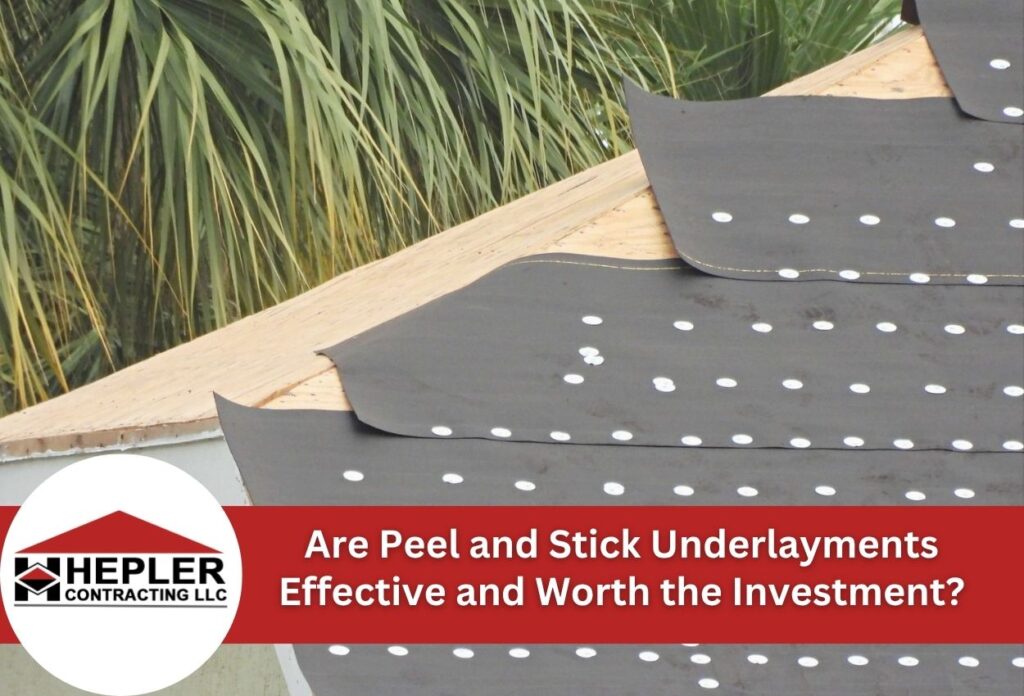
Peel and stick roofing underlayment has become a popular choice for homeowners seeking reliable roof protection. These self-adhering materials offer a different approach compared to traditional felt paper or synthetic underlayment options that require nails or staples for installation. The key difference lies in the adhesive backing that bonds directly to the roof deck, creating a waterproof seal around potential leak points.
Traditional underlayments rely on mechanical fasteners that can create small holes in the protective barrier. Peel and stick products eliminate these potential weak points by adhering completely to the surface beneath. The benefits of this waterproof underlayment also include better wind uplift resistance and easier installation.
Homeowners and contractors are increasingly choosing peel and stick options because they require fewer tools and specialized skills during installation. The material activates when pressed against clean, dry surfaces, forming an immediate bond that strengthens over time. This technology particularly excels in vulnerable roof areas like valleys, edges, and around chimneys or vents, where water infiltration poses the greatest risk.
However, understanding whether these modern roofing materials are worth it requires examining their performance against traditional alternatives. In this guide, we will discuss how effective peel and stick underlayments are and why they are a good choice for most roofing projects.
How Peel and Stick Underlayments Protect Your Roof
The waterproofing capabilities of peel and stick roofing underlayment create an exceptional barrier against leaks. These self-adhering materials form a continuous membrane that seals around nails and roof deck imperfections. When shingles become damaged or displaced, the underlying layer continues to protect the structure from moisture.
Self-adhering underlayments truly shine during severe weather. The rubberized asphalt backing bonds completely to the roof decking, creating wind resistance that traditional mechanically-fastened products cannot match. This superior adhesion prevents wind-driven rain from seeping beneath the roofing system, even when hurricane-force winds lift or damage surface materials.
Temperature fluctuations also present challenges that peel and stick products handle effectively. The material remains flexible during cold snaps while maintaining adhesion strength during extreme heat. This thermal stability prevents cracking and separation that can compromise protection over time.
Comparing synthetic underlayment vs. peel and stick reveals the benefits of self-adhered options. While synthetic materials offer lightweight installation and tear resistance, they still rely on mechanical fasteners that create potential leak points. Peel and stick underlayments eliminate these vulnerabilities entirely through their self-sealing properties.
Plus, the roofing underlayment installation process is simplified with adhesive-backed materials, reducing labor time while improving the roofing system’s integrity. This combination of enhanced protection and installation efficiency makes peel and stick options increasingly attractive for homes in regions with severe weather.
Installation Advantages That Save Time and Money
The easy installation process of peel and stick products reduces labor requirements significantly compared to traditional methods. Contractors can install these self-adhering materials without hammers, staplers, or nail guns, eliminating time spent loading and operating multiple tools. The adhesive backing creates an immediate bond upon contact, allowing installers to work more efficiently across roof surfaces.
Traditional felt or synthetic underlayment requires precise fastener placement every few inches that must be carefully positioned. Peel and stick roofing underlayment eliminates this tedious process entirely, allowing contractors to cover large areas quickly while maintaining consistent protection.
Installation mistakes are also less likely with self-adhering underlayment because the material bonds immediately upon placement. Crooked runs or gaps between sheets become obvious instantly, allowing for immediate correction before the adhesive fully sets. Traditional materials may appear properly installed until wind or weather exposes poorly fastened sections.
The most common error occurs when installers attempt to reposition the peel and stick material after initial contact. The adhesive makes repositioning difficult, requiring careful measurement and alignment before removal of the release paper. Working in smaller sections prevents waste while ensuring accurate placement. Additionally, the waterproof properties activate immediately, providing protection even before final roofing materials are applied, reducing project delays and associated labor costs.
Comparing Peel and Stick to Other Underlayment Options
Performance differences between peel and stick roofing underlayment and synthetic alternatives become clear when examining long-term durability and weather resistance. Self-adhering underlayments excel in extreme conditions due to their continuous waterproof membrane, while synthetic materials rely on proper overlap and fastener placement to maintain effectiveness.
Synthetic underlayments offer superior tear resistance and lighter-weight handling during roofing underlayment installation. These products can withstand foot traffic better than peel and stick options, making them preferable for projects requiring extended exposure before shingles are installed. However, synthetic materials still create fastener points that can compromise the protective barrier over time.
Traditional felt underlayment remains viable for specific applications where budget constraints outweigh the benefits of modern underlayment options. Felt performs adequately in moderate climates with standard weather patterns, particularly on simple roof designs without complex valleys or vents. This material costs significantly less than peel and stick alternatives, making it attractive for budget-conscious projects.
When comparing felt and synthetic underlayment vs. peel and stick options, project details often determine the better choice. Steep slopes, irregular surfaces, and detailed roof areas favor self-adhering products due to their conforming properties and immediate adhesion, while simple roof geometries with experienced installation crews may benefit from synthetic materials that offer handling advantages during placement. Climate considerations also influence material selection, as harsh weather needs the superior sealing capabilities that only peel and stick products provide.
Real-World Performance in Different Conditions
The long-term effectiveness of peel and stick roofing underlayment varies significantly based on climate conditions and installation quality. These self-adhering materials typically maintain their waterproofing properties for 20 to 30 years when properly installed, matching or exceeding the lifespan of most roofing systems. The adhesive bond stays strong over time, creating increasingly effective protection against water infiltration.
Self-adhering underlayment has exceptional resistance to damage from ice dams during winter. The material remains flexible at low temperatures while maintaining adhesion, preventing leaks that commonly damage traditional underlayment systems. This flexibility becomes crucial in regions with significant temperature fluctuations throughout the year.
Hot climates present different challenges that peel and stick products handle effectively. The rubberized asphalt backing resists degradation from prolonged UV exposure and high temperatures that can cause deterioration in other options. Traditional materials may become brittle or lose effectiveness under sustained heat exposure.
Humidity and moisture exposure reveal the true benefits of self-adhering systems. These materials prevent vapor transmission that can lead to deck rot or structural damage in consistently wet environments. The continuous membrane eliminates pathways for moisture infiltration that mechanical fasteners create in alternative systems.
Plus, wind uplift resistance remains consistently high throughout the material’s lifespan, as the adhesive bond does not weaken like mechanical fasteners can over time.
Potential Drawbacks of Peel and Stick Underlayments to Consider
Despite their advantages, peel and stick roofing underlayments are not suitable for every roofing project. Extremely steep slopes can pose challenges because gravity works against the adhesive before it fully bonds. In these situations, synthetic underlayment may provide better initial holding power during installation. Similarly, roofs with significant irregularities or damaged decking may not provide the smooth, clean surface required for proper adhesion.
Temperature sensitivity during roofing underlayment installation creates specific limitations. Self-adhering underlayment performance decreases when installed in temperatures below 45 degrees Fahrenheit, as the adhesive fails to activate properly. Conversely, excessive heat above 85 degrees can make the material too soft, preventing repositioning if alignment issues occur. These temperature constraints can limit installation windows compared to options that use fasteners.
Concerns about system compatibility may arise with certain roofing materials and deck types. For example, some metal roofing systems require specific vapor barriers that peel and stick products may not provide. Additionally, removal becomes extremely difficult once the material bonds fully, making future roof maintenance or replacement more labor-intensive and expensive.
The waterproof underlayment benefits can become drawbacks when vapor transmission is necessary. Older homes without sufficient ventilation systems may experience moisture buildup when the complete vapor barrier prevents natural breathing through the roof assembly. In these cases, synthetic alternatives that allow controlled moisture movement might better serve the building’s needs while still providing adequate weather protection.
Choosing the Right Underlayment for Your Roofing Project
Selecting the appropriate underlayment requires looking at factors specific to your roofing project. The local climate plays the primary role in determining whether peel and stick roofing underlayment provides the best value for long-term protection. Homes in areas with severe weather, ice dam potential, or frequent severe storms benefit most from self-adhering underlayment’s long-term performance.
Roof complexity significantly influences material selection as well. Properties with multiple valleys, dormers, chimneys, or skylights often require the superior sealing properties that peel and stick products deliver. Simple gable roofs with minimal complexity may perform adequately with traditional synthetic underlayment options, depending on budget considerations and weather exposure.
Installation timing is another factor that affects material choice. Projects requiring extended exposure before the final roofing installation generally favor synthetic materials that withstand foot traffic better. However, emergency repairs or weather-sensitive applications benefit from the immediate waterproofing that self-adhering products provide upon installation.
Consulting with professionals can help property owners make the right decision. Quality roofing contractors should understand installation techniques specific to each underlayment type. Ask potential installers about their experience with temperature requirements, surface preparation methods, and overlap specifications. Homeowners should also request examples of recent projects using similar materials and verify that they have licensing and insurance coverage.
When evaluating peel and stick products, examine adhesive quality, temperature ratings, and warranty coverage. Premium materials offer better long-term performance and may include extended manufacturer warranties that protect the investment beyond standard coverage periods.
Discover the Benefits of Peel and Stick Underlayments with Hepler Contracting LLC
Are you contemplating a new roofing solution for your Pittsburgh home? Peel and stick underlayments might just be the answer you’re looking for. At Hepler Contracting LLC, we specialize in modern roofing solutions that save you time and money without compromising on quality. Peel and stick underlayments have superior waterproofing capabilities, creating a robust barrier against common weather challenges like wind and rain.
These self-adhering underlayments are not only effective in protecting your roof from water damage but also in ensuring that the installation process is straightforward and error-free. This reduces the overall labor costs and minimizes the potential for installation mistakes that can compromise your roof’s integrity.
Still unsure if peel and stick is right for your roofing project? Contact Hepler Contracting LLC today at (412) 694-8785 to discuss your options and how we can help protect your home with the latest in roofing technology.