 Pay Online

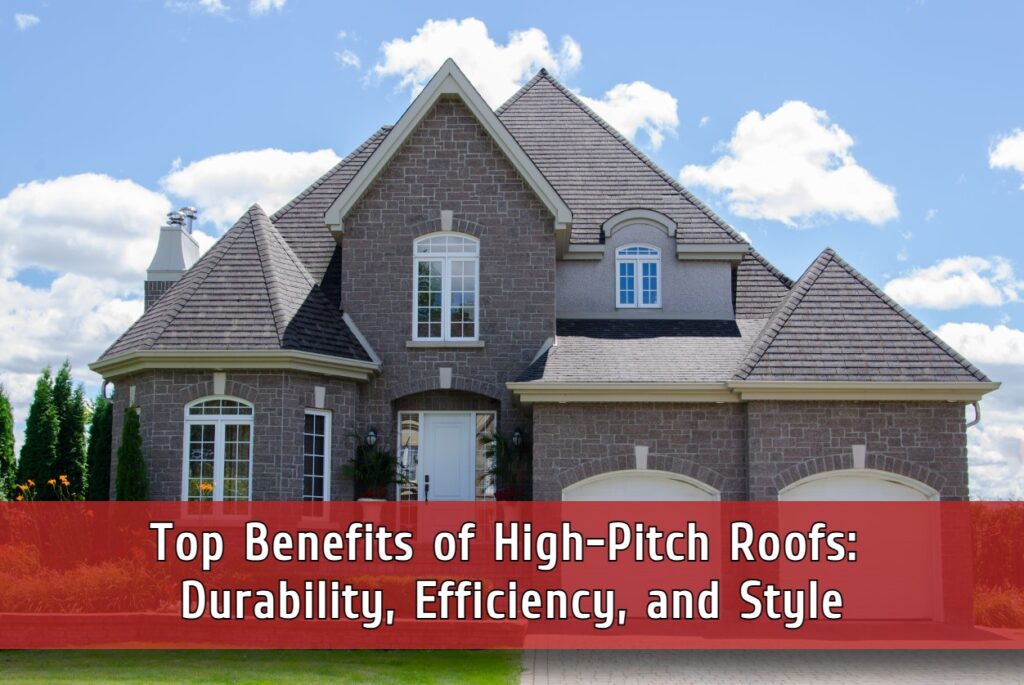
High-pitch roofs, characterized by their steep slopes (technically defined as 8/12 to 12/12 pitch), have become increasingly popular in modern architecture, blending aesthetics with exceptional functionality. These roofs not only enhance the visual appeal of a building but also offer various practical benefits that can significantly improve the structural integrity and efficiency of homes and buildings. As homeowners continue to explore roofing options, understanding the benefits of high-pitch roofs becomes essential.
Key Takeaways: High-Pitch Roofs
- Extended Lifespan: High-pitch roofs add 5-10 years to premium material lifespans through reduced UV exposure, faster drying, and less debris accumulation.
- Superior Weather Protection: Steep slopes prevent ice dams and foundation damage by rapidly shedding snow and deflecting wind—critical for Western Pennsylvania’s heavy snowfall and storms.
- Energy Cost Savings: Reflective steep-slope roofing materials generate annual savings of $0.05-$0.15 per square foot through enhanced ventilation and reduced HVAC strain.
- Functional Living Space: The steep angles create full-height attic rooms with dormer and skylight options, adding functional square footage without expanding your home’s footprint.
From improved durability and enhanced weather resistance to increased attic space and better energy efficiency, high-pitch roofs offer compelling advantages that extend well beyond their striking visual impact. Whether you are building a new home or considering a renovation, these insights will help you understand why opting for a high-pitch roof could be a beneficial decision.
| Benefit Category | Primary Advantages | Long-Term Impact | Best For |
|---|---|---|---|
| Weather Resistance | Superior snow shedding, wind deflection, efficient water drainage | Prevents ice dams, foundation damage, and storm-related repairs | Western PA climate with heavy snowfall and storms |
| Energy Efficiency | Enhanced ventilation, reflective surface benefits, temperature regulation | $0.05-$0.15/sq ft annual savings, reduced HVAC strain | Homes seeking lower utility bills and comfort |
| Longevity & Maintenance | Reduced UV exposure, less debris accumulation, faster drying | 5-10 years added lifespan to premium materials | Homeowners prioritizing long-term investment |
| Aesthetic Appeal | Architectural prominence, historic character, increased curb appeal | Higher property values and market appeal | Traditional neighborhoods and resale-focused buyers |
| Usable Space | Full-height attic rooms, dormer options, natural light potential | Functional square footage without expanding footprint | Growing families needing additional living space |
#1. Enhanced Weather Resistance
One of the primary benefits of high-pitch roofs is their exceptional ability to repel water and snow, safeguarding the structure from potential water damage. The steep slope of these roofs ensures that precipitation does not linger on the surface but instead flows down quickly into the gutters. This rapid removal of water drastically reduces the risk of leaks and structural damage, especially during heavy winter snowfall and Pennsylvania’s most severe winter storms. Gravity becomes a powerful ally, pulling the weight downward and off the structure without requiring any manual removal, making high-pitch roofs particularly effective for Western Pennsylvania’s challenging climate.
In addition to their water-repellent properties, high-pitch roofs are also known for their enhanced wind resistance. The aerodynamic shape of steep roofs can help deflect wind rather than catch it, which is particularly advantageous for homes in regions prone to high winds. With wind and hail accounting for 45-50% of homeowner insurance claims, this deflection capability is a critical asset. This design not only prevents damage during storms but also contributes to the overall stability and longevity of the building’s roof structure.
The efficient drainage system created by high-pitch roofs also protects home foundations by directing water well away from the building through properly installed gutter systems. This prevents soil erosion around your foundation and reduces basement moisture problems. Additionally, these roofs naturally reduce recurring ice dams, which can cause significant damage to both roofing materials and interior spaces during freeze-thaw cycles.
Understanding these high-pitch roof advantages can be essential for homeowners looking to enhance their property’s resilience against harsh weather conditions. Opting for a steep slope roofing system could be a wise decision, particularly in regions where extreme weather is a common concern. Moreover, the maintenance of high-pitch roofs tends to be less frequent due to their efficient self-cleaning nature during rain and snow, potentially lowering the long-term cost of high-pitch roofing.
#2. Improved Energy Efficiency
The design of high-pitch roofs significantly contributes to better air circulation and insulation, which are critical factors in improving a home’s energy efficiency. The steep slope of these roofs allows for a larger volume of air to circulate underneath, which helps maintain a consistent temperature within the attic and the rest of the home. This natural ventilation reduces the reliance on artificial heating and cooling systems, lowering energy consumption. Research indicates that reflective steep-slope roofing materials can generate annual savings of $0.05-$0.15 per square foot.
Additionally, the added space provided by high-pitch roofs can accommodate thicker layers of insulation. This enhanced insulation helps trap heat during colder months and keeps interiors cool in the summer, reducing heating and cooling costs. The improved temperature regulation also places less strain on HVAC systems and extends equipment lifespans, providing additional cost savings over time.
High-pitch roofs also minimize condensation issues that can plague homes during seasonal transitions, creating healthier indoor environments. For homeowners, particularly those in climates with extreme temperatures like Pittsburgh, PA, the benefits of high-pitch roofs in terms of energy savings can be substantial.
Choosing a steep slope roofing system not only provides aesthetic appeal and increased durability but also offers a significant advantage in energy efficiency. This makes high-pitch roofs an attractive option for those looking to reduce their environmental footprint while also managing utility expenses more effectively. As energy costs continue to rise, the ability to decrease these expenses becomes an increasingly important consideration for homeowners exploring roofing options.
#3. Increased Longevity and Reduced Maintenance
One of the significant benefits of high-pitch roofs is their ability to maintain cleanliness and structural integrity over time, especially when using the best materials for high pitch roofing. Due to their steep slope, debris such as leaves, twigs, and other materials are less likely to accumulate, a problem common for flat roofs. This natural shedding of debris helps prevent damage and decay, which can extend the lifespan of the roof significantly.
The steep angle of high-pitch roofs also provides superior UV protection because sunlight hits the surface of the roof indirectly, reducing the intensity of UV exposure. This results in less thermal cycling, reduced material breakdown, and slower aging of roofing materials. Combined with improved drainage and faster drying times, high-pitch roofs can add 5 to 10 years to the expected lifespan of premium materials.
The design of high-pitch roofs simplifies many aspects of maintenance. Homeowners often find that these roofs require less frequent repairs due to their ability to efficiently channel water away from the roof’s surface, reducing the potential for water ingress and associated damage. This aspect of high-pitch roof maintenance is particularly appealing as it contributes to overall cost savings in the long term. The reduced need for repairs coupled with the durability of the roofing materials means the initial cost of high-pitch roofing could be offset by the decreased maintenance expenses.
For those considering new roofing options, the low maintenance needs and extended lifespan of high-pitch roofs present compelling reasons to choose this style. Whether it’s for a residence or a commercial building, opting for a high-pitch roof can provide peace of mind and a wise investment in the property’s future.
#4. Aesthetic and Architectural Appeal
The architectural elegance of high-pitch roofs not only adds a distinctive aesthetic to buildings but also boosts curb appeal, potentially increasing property value. The variety of high-pitch roof styles—from traditional gables to contemporary A-frames—allows architects and homeowners to select a design that best fits the character of the building and its surroundings. These roofs recall historic Pittsburgh housing traditions, creating connections to the city’s rich building traditions while maintaining modern functionality. In the competitive real estate markets of cities like Pittsburgh, PA, a visually appealing roof can make a significant difference in attracting potential buyers.
Real estate professionals consistently note that homes with high-pitch roofs tend to bring in higher market values, as buyers inherently understand they’re looking at a quality investment. Residential and commercial properties alike benefit from the enhanced visual impact and structural advantages of steep slope roofs. For commercial buildings, a striking roof design can serve as a branding element that stands out in an urban or suburban landscape. Similarly, residential buildings with high-pitch roofs often have better marketability, as the style is frequently associated with luxury and meticulous maintenance.
Understanding the impact of roof aesthetics on property value and market appeal is essential for property owners considering new construction or renovations. Opting for a high-pitch roof not only enhances the visual appeal but also contributes to a solid long-term investment by potentially increasing the property’s resale value. The combination of form and function found in high-pitch roof styles makes them a top choice for anyone looking to elevate a property’s stature in today’s market.
#5. Additional Usable Space
One of the standout benefits of high-pitch roofs is the additional usable space they provide. The steep angles create expansive attic or loft areas, which homeowners can utilize for various purposes. Whether you’re looking to add an extra bedroom, a cozy reading nook, or ample storage space, high-pitch roofs make these possibilities accessible.
The potential for customizations such as dormers and skylights can enhance this space further. Dormers extend the usable floor area while adding architectural interest and natural light, transforming what could have been a dark storage space into a vibrant part of your home. Skylights bring in more daylight, reducing the need for artificial lighting and offering an energy-efficient solution to brighten up the interiors.
Whether it’s creating a warm retreat in the winter or a cool, ventilated loft in the summer, these roofs can be tailored to meet diverse needs and preferences.
Considerations and Costs
While the aesthetic and functional benefits of high-pitch roofs are compelling, it is important to consider the initial investment they require. Typically, the cost of high-pitch roofing systems can be higher than that of more traditional, lower-pitch alternatives due to the additional materials and labor involved. The complexity of installing steep slope roofs also contributes to the overall expense, making it essential for homeowners to plan their budgets accordingly. With replacement costs projected to rise 3-5% by 2026, acting now can prevent higher future expenditures.
| Cost Factor | Details | Financial Impact |
|---|---|---|
| Initial Installation | Higher than low-pitch roofs due to materials, labor, and safety requirements | 15-25% premium over standard pitch installations |
| Material Lifespan | Premium materials last 5-10 years longer on high-pitch roofs | Fewer replacement cycles over home ownership |
| Energy Savings | Improved ventilation and reflective properties reduce cooling/heating costs | $0.05-$0.15 per square foot annually |
| Maintenance Costs | Self-cleaning properties and faster drying reduce repair frequency | Lower annual maintenance expenses |
| Property Value | Enhanced curb appeal and quality perception attract buyers | Higher resale values per real estate professionals |
| Timing Consideration | Replacement costs projected to rise 3-5% by 2026 | Current installation avoids future price increases |
Despite these initial costs, the long-term savings and benefits often justify the investment. High-pitch roofs tend to have longer lifespans and require less maintenance, which can significantly reduce the lifetime cost of the roof. Moreover, their ability to enhance energy efficiency and increase property value can lead to substantial financial benefits over time. For homeowners in Pittsburgh, PA, investing in a high-pitch roof not only improves the durability and resilience of their homes against harsh weather but also offers potential energy savings.
By understanding both the upfront costs and the long-term advantages, homeowners can make informed decisions about their roofing choices. The balance between initial expenditure and future savings is key when considering high-pitch roof styles, making them a worthwhile investment for many.
Maximize the Benefits of High-Pitch Roofs with Hepler Contracting
Unlock the potential of high-pitch roofing systems for your property with Hepler Contracting. Call us today at (412) 694-8785 to discover how our expert team can enhance your home’s weather resistance, energy efficiency, and architectural appeal. Don’t miss out on the increased longevity, reduced maintenance, and additional usable space that high-pitch roofs can provide. From exploring styles to understanding costs, our dedicated professionals will guide you through every step of the process. Take advantage of the advantages of steep slope roofs and elevate your property to new heights with Hepler Contracting.
What roof pitch is considered ideal for areas with heavy snowfall?
For regions experiencing significant snow accumulation, pitches between 10/12 and 12/12 are optimal. These steeper angles ensure snow slides off before dangerous weight accumulates, preventing structural stress and eliminating the need for manual removal during winter storms.
Can I convert my existing low-pitch roof to a high-pitch design?
Converting a low-pitch roof to a high-pitch design is technically possible but requires significant structural modifications, including reinforced framing and potentially new foundation supports. A structural engineer must evaluate whether your existing walls can support the increased load and altered weight distribution.
How do high-pitch roofs perform during severe thunderstorms and tornadoes?
High-pitch roofs excel in most storm conditions due to their aerodynamic shape that deflects wind. However, in extreme tornado situations, proper installation with hurricane straps and reinforced connections becomes critical, as any roof design faces challenges with winds exceeding 100 mph.
What insulation types work best with high-pitch roof designs?
Spray foam insulation maximizes the energy benefits of high-pitch roofs by filling irregular spaces and creating airtight seals. Alternatively, batt insulation combined with proper ventilation channels works well, though it requires careful installation to avoid compression that reduces effectiveness.
Are there building code restrictions on high-pitch roofs in residential areas?
Most municipalities have height restrictions that may limit how steep your roof can be, particularly in historic districts or planned communities. Always consult local zoning ordinances before design finalization, as some homeowners associations also regulate architectural styles and roof profiles.