 Pay Online

Key Points:
- Selecting the best materials for high pitch roofing involves considering metal, slate, or advanced asphalt shingles for optimal durability and safety.
- Metal and slate excel in longevity and weather resistance, while specialized asphalt shingles offer enhanced grip on steep slopes.
- Crucially, factor in structural support, local climate, looks, and specialized contractor expertise for high-pitch installations.
High-pitched roofs present unique challenges that require selecting materials to ensure the best possible performance and longevity. Steep slopes create specific conditions that affect the velocity of runoff water, wind resistance requirements, and installation safety considerations that standard roofing materials may not adequately address.
The best materials for high-pitch roofing must withstand increased gravitational forces, enhanced weather exposure, and potential thermal expansion issues that occur on dramatically angled surfaces. Steep slope roofing materials like metal panels, natural slate, and specialized asphalt shingles offer distinct advantages for these applications, each providing different benefits in terms of durability, weather resistance, and curb appeal.
Understanding how steep angles affect material performance becomes crucial when evaluating options for your roofing project. High-pitch roof installation requires materials engineered to handle accelerated water flow, increased wind uplift, and the mechanical stresses associated with steep inclines. The wrong material choice can lead to premature failure, water infiltration, and expensive repairs that proper selection could have prevented.
Metal Roofing Systems for High-Pitch Applications
Metal roofing systems stand out as one of the most effective steep slope roofing materials due to their exceptional water-shedding capabilities and structural integrity. Standing seam systems excel on high-pitch roofs because their continuous panels create seamless water channels that efficiently direct moisture away from the structure.
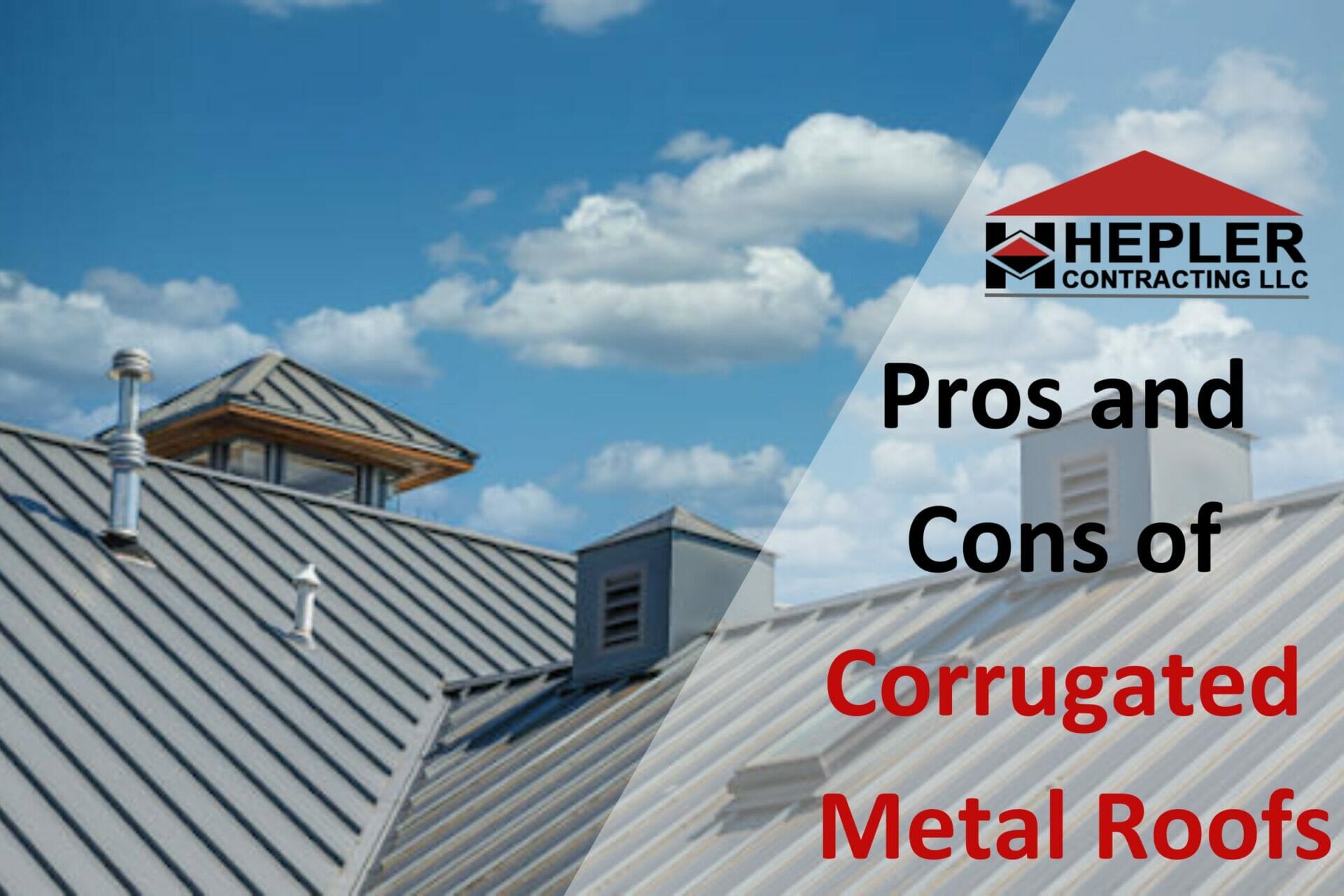
Corrugated metal options provide additional benefits for steep pitches through their ribbed design, which enhances structural strength and improves resistance to wind uplift. These systems perform exceptionally well on challenging angles because the corrugated pattern creates multiple drainage paths while maintaining excellent fastening points throughout the installation.
High-pitch roof installation becomes more manageable with metal systems due to their lightweight properties and flexible fastening methods. Concealed fastening systems used in standing seam applications eliminate exposed gaps, while through-fastened corrugated systems provide secure attachment points that accommodate the steep angle requirements. Metal roofs for steep pitches also offer superior snow shedding capabilities, which can reduce retained snow accumulation compared to other roofing materials on steeply angled surfaces.
Slate Roofing for Steep Slope Durability
Natural slate represents the premium choice among steep slope roofing materials, offering unmatched longevity that can exceed 100 years when properly installed. This natural stone material possesses inherent properties that make it exceptionally well-suited for high-pitch applications, including superior fire resistance and virtually zero water absorption that prevents freeze-thaw damage during harsh winter conditions.
The dense composition of slate for steep roof pitch applications provides excellent wind resistance and impact protection, while its natural texture can reduce sudden snow and ice shedding compared to smoother materials, helping moderate sliding during melting periods. These characteristics make slate particularly effective on steep angles where other materials might experience premature weathering or storm damage.
Material weight becomes a critical factor when selecting slate for high-pitch roof installation, as this material requires substantial structural support to accommodate weights ranging from 800 to 1,500 pounds per square foot. Professional structural evaluation ensures the existing framework can handle these requirements, particularly on steep pitches where gravitational forces create additional stress points. Proper installation techniques and adequate structural reinforcement allow slate systems to deliver their legendary durability while maintaining safe weight distribution across the entire roof structure.
Asphalt Shingle Performance on High-Pitch Roofs
Asphalt shingles for high-pitch roofs require specialized design features that address the unique challenges of steep slope applications. Architectural shingle options incorporate enhanced grip patterns and advanced adhesive systems that provide superior wind resistance compared to standard 3-tab varieties. These premium shingles feature multiple layers, increased weight, and enhanced sealant zones that improve wind resistance and positional stability on steep slopes.
The dimensional profile of architectural shingles offers increased thickness and weight that helps them maintain proper positioning on steep angles. Wind uplift ratings become particularly important for high-pitch applications, as the steep angles can create increased pressure during storms. Quality architectural shingles typically feature reinforced backing materials and improved sealant strips that activate under the heat of the sun to create weatherproof bonds.
Proper installation techniques for asphalt shingles on steep pitches require specialized underlayment systems and modified fastening patterns to ensure the best possible performance. High-pitch roof installations benefit from synthetic or rubberized underlayment materials that provide enhanced grip and moisture protection compared to standard felt paper options. These advanced underlayment systems create crucial secondary barriers while offering improved walkability during installation on challenging steep angles.
Alternative Premium Materials for Steep Roofing
Clay and concrete tiles deliver exceptional performance on steep slope roofs when installed with appropriate fastening systems and underlayment protection. These materials excel at water shedding due to their interlocking design and curved profiles that create natural drainage channels along steep angles. Clay tiles offer superior durability in extreme weather conditions, while concrete options provide similar protection at reduced weight for structures requiring lighter, steep slope roofing materials.
The thermal properties of tile systems make them effective for high-pitch roof installation in regions experiencing significant temperature fluctuations. Their dense composition provides excellent insulation properties while resisting thermal shock that can damage other roofing materials over time. Proper installation requires specialized clips and fasteners designed specifically for steep applications to prevent tile slippage during bad weather.
Synthetic roofing materials now offer compelling alternatives that replicate the appearance of traditional slate, wood shakes, and tile while providing enhanced installation safety on steep pitches. These engineered products feature lighter weights that reduce structural requirements and improved grip surfaces that enhance installer safety during high-pitch roof installation. Advanced polymer compositions resist UV degradation, impact damage, and moisture absorption while maintaining authentic textures that satisfy appearance requirements for premium roofing applications on challenging steep angles.
Installation Safety and Professional Requirements
High-pitch roofing projects require specialized safety equipment and extensive professional expertise that standard roofing installations do not require. Steep angles create significant fall hazards and equipment challenges that require contractors to utilize advanced safety harnesses, specialized scaffolding systems, and non-slip footwear. Professional roofers must maintain specialized training certifications and insurance coverage that address the increased liability associated with high-pitch roof installations.
The installation of materials on a steep slope requires contractors to implement safety protocols, including multiple anchor points, safety rope systems, and emergency response procedures. Working on steep pitches limits mobility and increases physical demands on installation crews, making proper equipment selection and safety training essential. Experienced contractors understand how different materials behave during installation on steep angles and can adjust techniques accordingly to maintain safety standards throughout the project.
Making the Final Material Selection Decision
Selecting the best material for your steep-pitch roof requires taking a closer look at multiple interconnected factors that will impact its performance and longevity. Local weather patterns significantly influence which material will be best, as regions experiencing heavy snow require different characteristics than areas prone to high winds or extreme temperature fluctuations. The architectural style of your home also plays an important role, as certain materials complement specific designs while others may not fit with existing structural elements.
Maintenance requirements vary dramatically between material options and should align with your long-term property management goals. Metal roofs for steep pitches typically require minimal ongoing care, while natural materials like slate may need periodic inspections and selective repairs. Understanding these maintenance obligations before installation prevents unexpected expenses and ensures your chosen material delivers on its expected performance throughout its service life.
When interviewing potential contractors, ask specific questions about their experience with your selected material on high-pitch applications. Request references from recent steep slope projects and verify proper licensing for specialized installations. Qualified professionals should demonstrate familiarity with safety protocols, underlayment requirements, and fastening techniques specific to your material choice.
Discover the Best Materials for High-Pitch Roofing with Hepler Contracting LLC
Choosing the right materials for your steep-pitch roof is crucial for ensuring durability and safety. At Hepler Contracting LLC, we specialize in providing top-tier roofing solutions that meet the unique needs of high-pitch roofs in the Pittsburgh area. Whether you’re considering metal, slate, or advanced synthetic materials, our expert team is equipped to guide you through your options to find the perfect fit for your home’s architecture and the local climate.
Call Hepler Contracting LLC today at (412) 694-8785 to schedule a consultation and ensure your steep slope roofing is in the best hands.