 Pay Online

Your Complete Guide to Choosing the Perfect Wood Shingle for Your Pittsburgh Home

Wood shingles are one of the most enduring and attractive roofing materials available to homeowners today. These natural roofing options offer exceptional durability, distinctive curb appeal, and long-term performance in different weather conditions. The decision between different wood roofing materials requires looking at multiple factors that directly impact both immediate satisfaction and long-term home value.
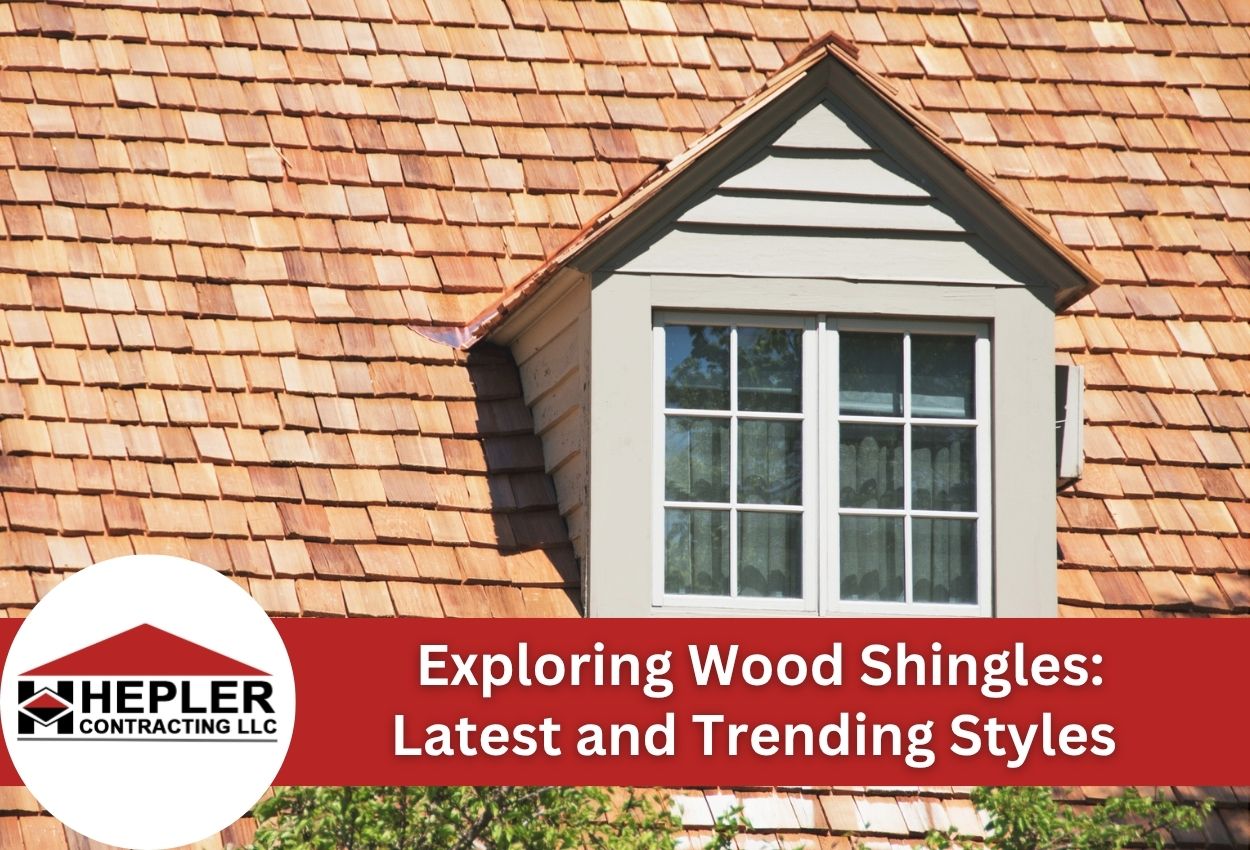
Cedar shingle roofing systems are one of the most popular choices among wood roofing materials, delivering superior weather resistance and natural preservation qualities. Understanding the differences between wood shake vs. shingles is crucial during the selection process, as each option has unique benefits for specific architectural styles and performance requirements. Wood shakes feature a more rustic, hand-split appearance with irregular surfaces, while shingles offer smoother, more uniform profiles that complement various home designs.
The best wood shingle options depend on several considerations, including local climate patterns, architectural compatibility, maintenance preferences, and expected lifespan requirements. Cedar roof installation requires professional expertise to ensure proper application and optimal performance over time. Wood shingle maintenance requirements vary between different species and cutting methods, making material selection a pivotal decision that influences decades of ongoing roof care responsibilities.
Cedar Shingles: The Gold Standard of Wood Roofing Materials
Cedar shingles have earned their reputation as the premier choice among wood roofing materials through decades of proven performance and their natural advantages. The inherent properties of cedar wood create an ideal combination of durability, weather resistance, and aesthetic appeal that consistently outperforms other wood species in roofing applications.
The natural oils and tannins present in cedar provide exceptional rot resistance, allowing these wood roofing materials to withstand moisture exposure without significant deterioration. Cedar’s cellular structure offers superior insulation capabilities compared to alternatives, helping regulate interior temperatures while reducing energy costs. The weathering characteristics of cedar create an attractive silver-gray patina over time, eliminating the need for regular staining or painting.
Market availability includes multiple grades and cuts that impact performance expectations and visual appearance. Premium grades feature tight grain patterns with minimal knots, providing the longest service life and most uniform appearance. Standard grades offer reliable performance at more accessible price points while maintaining cedar’s natural benefits. The distinction between hand-split and machine-cut cedar affects both installation requirements and final aesthetics, with hand-split options providing more texture.
When evaluating the best wood shingle options, cedar consistently delivers the optimal balance of longevity, natural preservation, and architectural versatility. Professional cedar roof installation follows expert application techniques that maximize these advantages while establishing the foundation for simplified maintenance throughout the roof’s service life.
Alternative Wood Species: Exploring Your Material Options Beyond Cedar
While cedar dominates the wood shingle market, several alternative wood species have advantages that may better suit specific applications and regional preferences. Redwood stands as a notable cedar alternative, providing exceptional durability through its natural tannin content and distinctive reddish coloration that ages to an elegant silver-gray patina.
Pine is another viable option among wood roofing materials, specifically pressure-treated varieties that are chemically preserved to enhance moisture resistance. Southern yellow pine and white pine deliver reliable performance when properly processed, though they require more intensive maintenance compared to naturally resistant species. The lighter weight of pine makes installation more manageable while reducing structural load requirements.
Regional availability significantly influences the best wood shingle options for different markets. Western red cedar thrives in Pacific Northwest applications, while eastern white cedar performs exceptionally in northeastern climates. Cypress offers superior moisture resistance in humid southeastern regions, making it an excellent choice for areas with heavy rainfall or high humidity levels.
Oak and chestnut provide premium alternatives with exceptional longevity, though higher material costs and specialized cedar roof installation techniques may limit their practical application. Each wood species responds differently to climate variations, with some performing better in freeze-thaw cycles while others excel in consistent moisture conditions. Understanding these characteristics helps determine the most suitable wood roofing materials for specific locations and architectural requirements.
Wood Shake vs. Shingle Roofs: Understanding the Critical Differences
The manufacturing processes that create wood shakes and shingles produce fundamentally different products with distinct characteristics. Wood shakes are hand-split from logs, creating irregular surfaces with varying thickness that typically ranges from half an inch at the thin end to over an inch at the thick end. This splitting process follows the natural grain structure, producing rustic textures that emphasize the organic qualities of the wood.
Machine-cut shingles undergo precision cutting that creates uniform thickness and smooth surfaces with consistent dimensions. The manufacturing process produces shingles with tapered profiles that maintain exact specifications, typically measuring a quarter of an inch thick at the butt end. This uniformity creates cleaner lines and a more formal appearance that complements traditional architecture.
Installation requirements differ between these wood roofing styles due to their distinct characteristics. Wood shakes require more care during installation to create a seamless surface and prevent water infiltration through the irregular surfaces. On the other hand, shingles can be installed with standard techniques. The wood shake vs. shingle decision impacts labor time, with shake installation requiring more attention to individual piece placement and alignment.
Weather resistance varies between options, with shakes providing superior wind resistance due to their thickness and weight, while shingles offer better water shedding through their smooth surfaces. Both options need specific maintenance, though shakes typically require more inspections due to their surface texture, which can trap debris and moisture.
Understanding Wood Shingle Quality Grades and Performance Standards
Industry grading standards establish clear performance benchmarks that directly influence the longevity and appearance of wood roofs. Grade 1 shingles are the highest quality tier, featuring tight grain patterns with minimal defects and consistent coloration throughout each piece. These top-tier wood shingle roofing materials deliver maximum durability and uniform appearance, making them ideal for prominent roof sections where visual consistency matters most.
Grade 2 wood roofing materials offer reliable performance while accommodating minor imperfections such as small knots or slight grain variations. These shingles provide excellent value for most residential applications, delivering decades of dependable service without the premium cost associated with perfect-grade materials.
Grade 3 is the most affordable option among wood shingle options and is suitable for areas where appearance takes secondary importance to basic weather protection. These materials may contain larger knots, color variations, or minor splits that don’t compromise structural integrity but affect visual uniformity. Cedar roof installation professionals often recommend this grade for secondary structures or less visible roof sections where cost considerations outweigh aesthetic requirements.
Technical specifications play equally important roles in determining long-term performance. Moisture content at installation significantly affects dimensional stability, with properly dried shingles expanding and contracting predictably throughout seasonal weather changes. Grain orientation influences splitting resistance and weathering patterns, while defect limitations ensure structural reliability that supports decades of dependable protection.
Installation Requirements and Professional Considerations
Professional installation is the foundation of any durable wood shingle roof, with certain factors directly impacting weather protection and longevity. Adequate ventilation systems prevent moisture accumulation that can compromise wood roofing materials, while underlayment creates barriers against water infiltration. The installation process requires specific fastening techniques that accommodate the natural expansion and contraction of wood shingles throughout seasonal temperature variations.
Ventilation requirements are crucial for wood roofing materials due to their natural moisture content and breathing characteristics. Ridge vents, soffit vents, and proper air circulation prevent condensation buildup that can lead to premature deterioration. Underlayment selection must balance moisture protection with breathability, allowing the wood to maintain its natural drying capabilities while preventing leaks during severe weather.
Professional installation expertise is essential for the long-term performance of wood shingles. Specialized knowledge of exposure rates, overlap requirements, and fastener placement creates optimal weather resistance and prevents common installation errors that compromise roof integrity. Professional installers understand wood shake vs. shingle installation differences, applying appropriate techniques for each style.
Local building codes establish minimum standards for cedar roof installation that address safety requirements and performance expectations specific to regional climate conditions. Professional contractors have current knowledge of code requirements, permit processes, and inspection protocols for compliant installations. Their specialized tools and experience with wood shingles mean installations deliver decades of reliable performance while meeting all regulatory standards for residential roofing systems.
Maintenance Strategies for Maximizing Your Wood Shingle Roof’s Lifespan
Having maintenance strategies significantly extends the service life of wood roofing materials while preserving their natural beauty and weather protection capabilities. Regular cleaning is a necessary part of effective wood shingle maintenance, requiring biannual debris removal from roof surfaces and gutters. Accumulated leaves, branches, and organic matter create moisture retention that accelerates deterioration and promotes fungal growth on cedar shingle roofing surfaces.
Moss prevention is critical in humid climates where these organisms thrive on wood surfaces. Installing zinc or copper strips along ridge lines provides natural moss inhibition through metal ion runoff during rainfall. Regular inspection of north-facing slopes and shaded areas helps identify early moss development before extensive growth compromises shingle integrity. Professional treatments using environmentally safe moss prevention products offer additional protection for the wood shingle roofs in challenging environments.
Early problem identification allows homeowners to address minor issues before they compromise the entire roofing system. Regular visual inspections should focus on loose or damaged shingles, exposed nails, and areas where flashing meets wood roofing materials. Seasonal evaluations after storms help identify damage that requires immediate attention.
Professional maintenance services provide specialized treatments that extend the wood roof’s lifespan through preservative applications and detailed assessments. Scheduling annual professional inspections ensures expert evaluation of shingle condition, ventilation effectiveness, and structural integrity. Professional contractors can address complex wood shingle care needs, including individual shingle replacement and preventive treatments that maintain the roof’s performance throughout its service life.
Choose Hepler Contracting LLC for Your Wood Shingle Roofing Needs in Pittsburgh
The best wood shingle options for your Pittsburgh home influence not only the aesthetic appeal of your property but also its resilience against local weather conditions. Hepler Contracting LLC specializes in high-quality cedar shingle roofing services, renowned for its durability and beauty. Each installation is handled with expert care, ensuring that your home benefits from top-grade materials and professional craftsmanship.
Opt for the trusted expertise of Hepler Contracting LLC. Ensure your roof is installed correctly and designed to last. Call us today at (412) 694-8785 to schedule your consultation and discover why we are the preferred choice for wood shingle roofing services in Pittsburgh.