 Pay Online

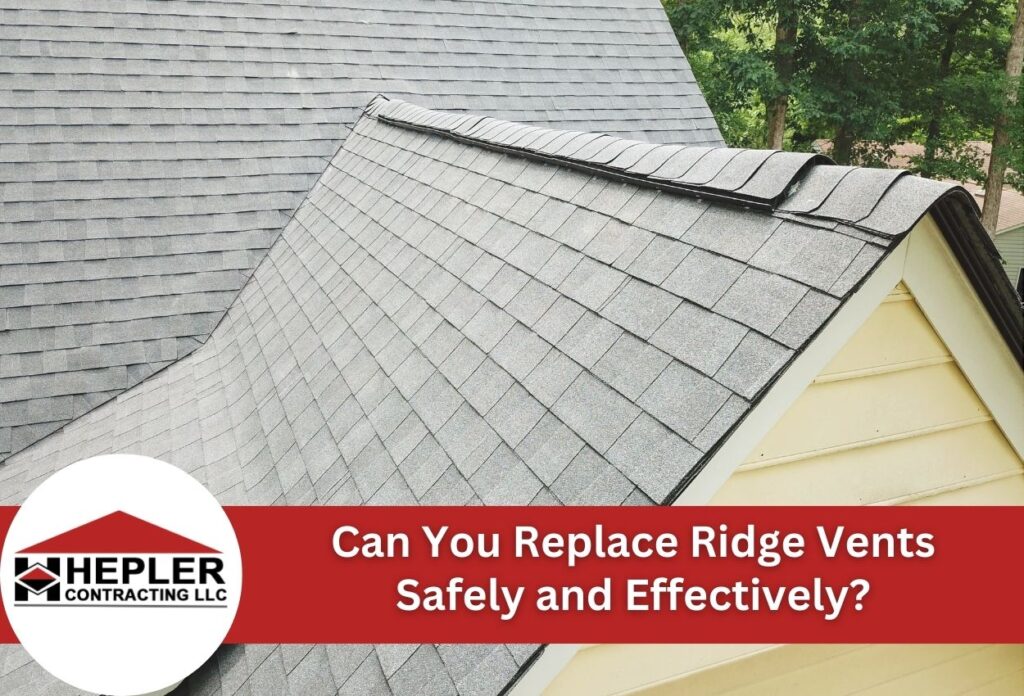
Ridge vents play a crucial role in maintaining proper attic ventilation, but many homeowners wonder whether these essential components can be replaced when they start showing signs of wear. The answer is yes, ridge vent replacement is not only possible but often necessary to maintain the best performance and energy efficiency for your roof.
Pennsylvania’s harsh weather conditions, including heavy snow loads, ice dams, and temperature fluctuations, can take a toll on ridge vents over time. These climate challenges make roof ventilation repair a common necessity for local homeowners who want to protect their investment and maintain comfortable indoor temperatures year-round.
Most ridge vents begin showing signs of failure after 15 to 25 years of service. Cracked plastic components, damaged shingles around the vent area, and reduced airflow are clear indicators that ridge vent installation of new components may be needed. Upgrading attic ventilation through ridge vent replacement can significantly improve your home’s energy efficiency and prevent moisture-related problems that lead to expensive repairs.
Understanding when and how to address failing ridge vents helps homeowners make informed decisions about their roof ventilation systems. Proper roof ridge vent maintenance and quick replacement can stop ice dams, condensation buildup, and premature roof deterioration that affects both comfort and property value.
When Ridge Vent Replacement Becomes Necessary
Recognizing when ridge vents need replacement is essential for maintaining effective roof ventilation systems. Several factors contribute to ridge vent deterioration, with weather-related damage being the most common culprit affecting residential properties.
Pittsburgh’s challenging climate creates specific conditions that accelerate ridge vent wear. Heavy snow accumulation can crack plastic vent components, while ice formation may warp or separate vent sections from the roof deck. Storm damage from high winds frequently tears shingles around ridge vent installations, compromising the seal and allowing leaks to form. These weather conditions make roof ventilation repair a recurring maintenance concern for homeowners.
Age-related deterioration represents another significant factor. Most ridge vents maintain effectiveness for approximately 15 to 25 years before requiring replacement. UV exposure gradually weakens plastic components, causing brittleness and cracking. Metal ridge vents may develop rust or corrosion that reduces their structural integrity and ventilation capacity.
Visible signs of problems include cracked or missing vent sections, damaged cap shingles, water stains in the attic near the ridge line, and reduced airflow through the ventilation system. Upgrading attic ventilation through timely ridge vent installation prevents more extensive roof damage and maintains energy efficiency. Proper roof ridge vent maintenance includes regular inspections to identify these warning signs before minor issues escalate into expensive structural problems.
Professional Installation vs. DIY Ridge Vent Replacement
Ridge vent replacement involves significant safety considerations that make professional installation the preferred choice for most homeowners. Working on roof peaks requires specialized equipment, proper ladder placement, and experience navigating steep surfaces. The ridge vent replacement process demands precise measurements, correct cutting techniques, and knowledge of local building codes to ensure long-term performance.
Professional contractors possess the necessary tools for safe and effective roof ventilation repair, including pneumatic nailers, circular saws, chalk lines, and safety harnesses. Different roof types require specific installation approaches. Asphalt shingle roofs need careful shingle removal and replacement, while metal roofing systems require specialized cutting and sealing methods. The ridge vent installation process also involves understanding proper ventilation calculations to ensure adequate airflow throughout the attic space.
DIY attempts at upgrading attic ventilation often result in improper installations that compromise the structural integrity of the roof. Common mistakes include inadequate ridge opening cuts, improper vent alignment, insufficient weatherproofing, and incorrect shingle installation around vent areas. These errors can lead to leaks, reduced ventilation effectiveness, and voided manufacturer warranties.
Professional roof ridge vent maintenance ensures installations meet manufacturer specifications and local building requirements. Experienced contractors understand how Pittsburgh’s climate affects different vent materials and can recommend appropriate products for long-term durability. They also carry proper insurance coverage, protecting homeowners from liability issues that arise from rooftop accidents during installation work.
The Ridge Vent Replacement Process
The ridge vent replacement process begins with carefully removing the existing ventilation components and preparing the ridge line. Professional contractors start by removing cap shingles along the ridge to expose the old ridge vent system. This step requires precision to avoid damaging surrounding roofing materials that will remain in place after the upgrade.
Removing deteriorated ridge vents involves cutting through any sealant or roofing cement that secures the components to the roof deck. Contractors carefully extract old vent sections while inspecting the ridge opening for proper width and alignment. Any damaged parts are repaired before proceeding with the ridge vent installation process. The ridge line then undergoes thorough cleaning to remove debris, old sealant, and any protruding nails that could interfere with a new component placement.
Installing new ridge vents requires precise measurement and alignment to ensure optimal roof ventilation. Contractors position the new vent sections according to manufacturer specifications, maintaining proper overlap between adjoining pieces. Each section receives secure fastening with appropriate roofing nails or screws, typically spaced every 6 to 8 inches along both sides of the vent.
Proper sealing and weatherproofing techniques are critical for successfully upgrading attic ventilation systems. Contractors apply high-quality roof sealant along all edges and joints to prevent water infiltration. Cap shingles receive careful installation over the new ridge vents, with each shingle properly secured and sealed. This comprehensive roof ridge vent maintenance approach ensures long-term performance and weather resistance for the completed installation.
Choosing the Right Ridge Vents for Your Home
Several ridge vent styles offer different advantages for residential applications, with material composition playing a crucial role in long-term performance and durability.
Aluminum ridge vents provide excellent corrosion resistance and lightweight installation characteristics. These vents maintain structural integrity through multiple freeze-thaw cycles while offering superior airflow capacity. Plastic ridge vents cost less initially but may become brittle over time when exposed to UV radiation and temperature extremes. Steel ridge vents deliver maximum durability but require a proper coating to prevent rust formation in humid conditions.
Matching ridge vents to existing roof materials ensures proper integration and weather protection. Asphalt shingle roofs work well with most ridge vent styles, allowing flexibility in material selection based on budget and performance requirements, while metal roofing systems need specialized ridge vents designed for thermal expansion and contraction. Tile roofs, however, require ridge vents with appropriate profiles to maintain the roof’s architectural appearance while providing effective ventilation.
Architectural style considerations affect ridge vent selection for homes with specific design requirements. Traditional Colonial and craftsman homes benefit from low-profile ridge vents that blend seamlessly with existing rooflines. Contemporary homes can accommodate more visible ridge vent designs without compromising aesthetic appeal. The ridge vent replacement process should account for these style preferences while prioritizing ventilation effectiveness and weather resistance.
Maintaining Your New Ridge Vents for Long-Term Performance
Establishing a routine inspection schedule allows homeowners to track ridge vent performance and condition changes over time. Visual examinations should focus on vent alignment, cap shingle integrity, and signs of weather damage that could compromise ventilation effectiveness. Looking for gaps between vent sections, loose or missing fasteners, and debris accumulation helps maintain optimal airflow through the ridge vent installation.
Seasonal maintenance tasks vary based on Pittsburgh’s distinct weather patterns throughout the year. Spring inspections should address winter storm damage, ice dam effects, and any debris that accumulated during winter. Fall preparation involves clearing leaves and branches from ridge vent openings while checking for loose components before winter weather arrives.
Upgrading attic ventilation systems requires ongoing attention to maintain their effectiveness and protect your investment. Regular maintenance prevents minor issues from developing into major problems that require extensive roof ridge vent maintenance or premature replacement. Simple preventive measures like annual inspections and prompt attention to visible damage help preserve ventilation system integrity and extend service life significantly.
Benefits of Proper Ridge Vent Replacement for Your Home
Proper ridge vent replacement delivers significant advantages that extend well beyond basic roof ventilation repair. When homeowners invest in upgrading attic ventilation systems, they experience measurable improvements in energy efficiency, moisture control, and overall roof performance that protect their property investment for decades.
Enhanced attic ventilation through professional ridge vent installation creates consistent airflow that regulates temperature extremes throughout the year. During summer months, effective ventilation prevents excessive heat buildup in attic spaces, reducing cooling costs and preventing premature aging of roofing materials. Winter ventilation maintains a proper temperature balance that prevents ice dam formation along roof edges, a common concern for Pittsburgh-area homes experiencing heavy snowfall.
Long-term roof protection results from consistent airflow that prevents thermal cycling damage and extends shingle lifespan. Proper ventilation systems maintain stable attic temperatures that reduce expansion and contraction stress on roofing materials. This thermal stability prevents premature deterioration and helps homeowners maximize their roof’s service life while maintaining manufacturer warranty coverage.
Ensure Your Home’s Comfort and Safety with Hepler Contracting LLC’s Ridge Vent Replacement Services
If you’re noticing issues with your home’s ventilation system or if your ridge vents have been damaged by Pittsburgh’s harsh weather conditions, it might be time to consider professional ridge vent replacement. Hepler Contracting LLC specializes in upgrading attic ventilation and roof ventilation repair, ensuring your home maintains optimal air circulation and energy efficiency. Our expert team is equipped with the right tools and knowledge to handle every aspect of the ridge vent replacement process, from initial assessment to the final installation.
Don’t compromise on your home’s comfort or risk potential ventilation failures. Contact Hepler Contracting LLC today at (412) 694-8785 to schedule a consultation and learn more about our ridge vent installation services tailored for Pittsburgh homeowners. Let us help you enhance your roof’s longevity and performance with the right ridge vent solutions.