 Pay Online

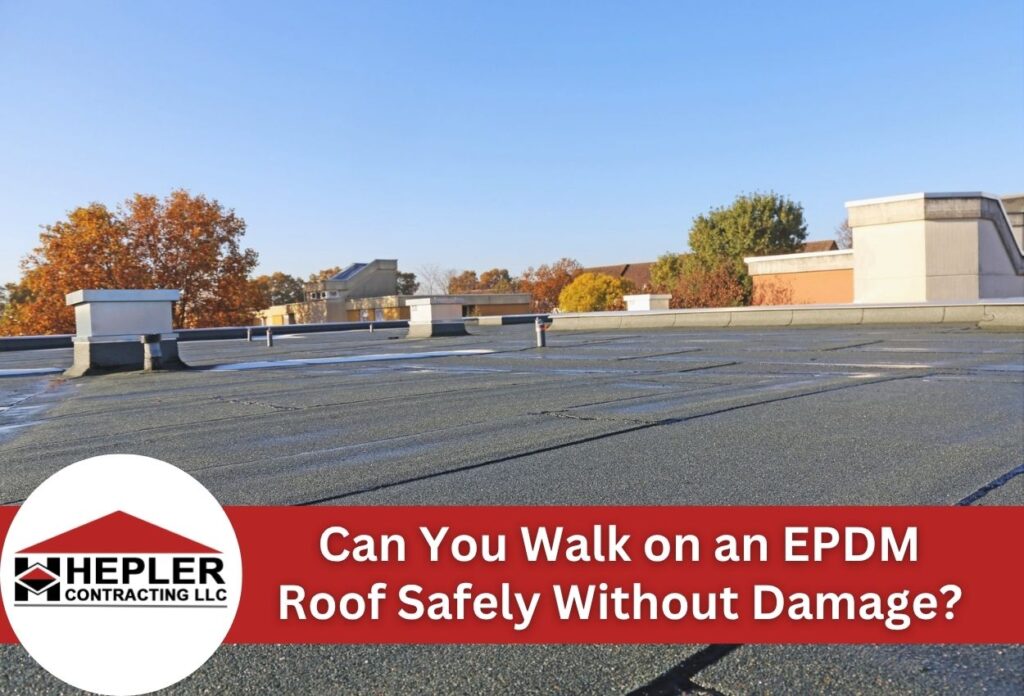
EPDM rubber roofs are one of the most popular choices for flat and low-slope commercial and residential buildings. This durable synthetic rubber membrane offers excellent weather resistance and a long lifespan, making it an attractive option for property owners seeking reliable protection. However, many building owners find themselves wondering whether they can safely walk on their EPDM roof when maintenance, inspections, or repairs become necessary.
The question of EPDM rubber roof walkability is more complex than it might initially seem. While these rubber membrane systems are designed to withstand years of exposure to different weather conditions, concerns about potential damage from foot traffic are completely valid. Property owners often worry that walking on flat roof membranes could lead to punctures, tears, or premature wear that might compromise the roof’s integrity.
Understanding EPDM roof foot traffic safety is crucial when routine maintenance tasks arise. From cleaning gutters to inspecting HVAC equipment, there are numerous situations where roof access becomes unavoidable. The good news is that with proper precautions and techniques, walking on EPDM roofing can be done safely. Walk pads and other protective measures can help distribute weight and minimize potential damage during necessary maintenance access.
Safety First: Understanding EPDM Roofs and Their Walkability
EPDM rubber membranes are engineered to handle significant weight, but their response to foot traffic depends on several factors. The membrane itself typically ranges from 45 to 90 mils in thickness, and this rubber material has flexibility that allows it to compress and rebound under pressure. When someone walks on an EPDM roof, the membrane distributes the weight across the underlying decking, but concentrated pressure points from shoes or equipment can create stress on the material.
The walkability of your specific EPDM roof depends primarily on the underlying structure and decking. A fully adhered EPDM system over rigid insulation board provides better support for foot traffic than a ballasted system. The deck material, whether it’s plywood, concrete, or steel, plays a major role in determining how much weight the roof can safely support without flexing excessively.
Outdoor temperatures affect whether it is safe to walk on an EPDM roof. Cold weather makes the rubber membrane less flexible and more susceptible to cracking under pressure, while extremely hot conditions can make the surface soft and more prone to impressions or damage. The age and condition of the membrane also influence its ability to withstand walking. Older EPDM installations may have reduced elasticity, making them more vulnerable to damage from foot traffic than newer installations.
Proper Techniques for Walking on EPDM Rubber Roofs
Successfully navigating EPDM rubber roof walkability requires following specific procedures that protect the membrane from damage. Begin by wearing soft-soled shoes with broad, flat surfaces to distribute weight evenly across the rubber membrane. Avoid shoes with high heels, cleats, or aggressive tread patterns that could concentrate pressure into small points and potentially puncture the EPDM surface.
When walking on flat roof membrane systems, move slowly and deliberately while keeping your feet flat against the surface. Take shorter steps rather than long strides to maintain better balance and control. Always step directly onto the membrane rather than dragging feet, which could cause scuffing or tearing. Inspect the path ahead for any debris, sharp objects, or raised seams that might pose hazards during movement across the roof.
Weather conditions significantly impact EPDM roof foot traffic safety and should guide timing for roof access. Avoid walking on EPDM surfaces during extreme temperatures, as cold weather below 40 degrees Fahrenheit makes the rubber brittle, while temperatures above 90 degrees can soften the membrane excessively. Wet conditions create slippery surfaces that increase fall risks and can hide potential hazards beneath standing water.
Installing rubber roofing system walk pads along frequently traveled paths provides additional protection for areas requiring regular maintenance access. These protective pads distribute weight more effectively and create designated walkways that help preserve the integrity of the membrane system while ensuring safe passage for necessary roof activities.
Essential Equipment and Protection for EPDM Roof Access
Protecting EPDM roofs during necessary roof access requires specific equipment designed to minimize membrane damage and ensure worker safety. As mentioned above, walk pads are an effective protection for EPDM surfaces during foot traffic. These specialized pads distribute weight over larger areas, reducing point loads that could stress or damage the membrane. Walk pads come in various sizes and materials, with interlocking rubber or foam versions providing temporary pathways for maintenance activities.
Proper footwear plays a critical role in EPDM roof foot traffic safety. Soft-soled shoes with smooth treads prevent punctures and excessive wear on the rubber membrane surface. Sneakers, boat shoes, or specialized roofing boots are often ideal for walking on flat roof membranes compared to hard-soled work boots or high heels.
Beyond membrane protection, personal safety equipment is also essential when accessing EPDM roofs. Fall protection harnesses, safety ropes, and anchor points provide crucial protection on flat surfaces where traditional guardrails may not exist. Non-slip knee pads allow workers to kneel safely on the membrane during inspection or repair activities. Additionally, carrying a debris removal tool helps clear the path of sharp objects, stones, or other materials that could puncture the EPDM during movement across the roof surface.
When Professional Help is Required for EPDM Roof Maintenance
Certain EPDM roof maintenance tasks exceed the capabilities of typical property owners and need the expertise of experienced roofing contractors. Complex repairs involving membrane punctures, seam failures, or extensive weathering require specialized knowledge of EPDM materials and proper repair techniques. Professional contractors have the necessary tools, adhesives, and experience to perform lasting repairs that maintain the roof’s integrity without compromising surrounding areas.
Structural assessments are another critical area requiring professional evaluation before any EPDM roof foot traffic occurs. Roofing professionals can identify substrate deterioration, inadequate insulation support, or deck problems that might not be visible from the surface. These underlying issues could make walking on flat roof membrane systems dangerous or cause additional damage that property owners cannot detect without training and diagnostic equipment.
Several warning signs indicate that a professional assessment is necessary before attempting to walk on an EPDM roof. Visible membrane cracking, bubbling, or separation from seams suggests potential structural problems that could worsen under foot traffic. Standing water, unusual soft spots, or areas where the membrane appears stretched or distorted require immediate professional attention. Additionally, if the roof exhibits significant weathering or age-related deterioration, contractors should evaluate the system’s ability to safely support maintenance activities.
When these conditions exist, attempting DIY maintenance or casual roof access can transform minor issues into major problems requiring complete membrane replacement rather than targeted repairs.
Common Mistakes That Damage EPDM Roofs During Access
Property owners often unknowingly damage their EPDM rubber roof through improper access practices that can easily be avoided. Understanding these harmful behaviors helps protect the significant investment in rubber membrane roofing systems and prevents expensive repairs that result from seemingly minor mistakes.
Sharp objects are one of the most common threats to EPDM roofs. Tools like screwdrivers, utility knives, or metal measuring devices can puncture the membrane when dropped or dragged across the surface. Even small stones, nails, or debris tracked onto the roof can cause damage when stepped on during foot traffic. Many property owners fail to clear walking paths before accessing their EPDM roofs, creating unnecessary puncture risks.
Dragging equipment across EPDM membranes instead of lifting and carrying items creates tears and scuffs that compromise waterproofing integrity. Heavy items like toolboxes, ladders, or maintenance equipment can cause permanent impressions or cuts when pulled across the rubber surface. Installing walk pads is essential in areas where equipment must be transported, but many property owners attempt shortcuts that result in membrane damage requiring professional repairs.
Protecting Your EPDM Investment Through Smart Access Practices
Implementing long-term maintenance strategies significantly reduces the frequency of roof access needs while preserving the EPDM rubber roof over time. Regular inspections from ground level or safe vantage points can spot issues before they require immediate roof access. Scheduling professional maintenance during mild weather conditions significantly lowers the risk of membrane damage during repairs and extends the overall lifespan of the roofing system.
Strategically placing walk pads in high-traffic areas creates permanent pathways that protect the membrane while allowing safe access for routine maintenance. These protective measures concentrate wear patterns in designated zones rather than allowing random foot traffic to damage pristine membrane areas. Property owners should also keep documentation of previous access points and any areas showing signs of wear.
Additionally, walking techniques directly impact the longevity of EPDM roofing systems by minimizing stress and preventing premature membrane degradation. Consistent use of appropriate footwear, deliberate movement patterns, and weight distribution methods helps preserve the rubber’s elasticity and surface integrity. Training all personnel who may need roof access in these techniques ensures uniform protection standards regardless of who performs maintenance tasks.
Establishing access protocols that limit unnecessary roof visits while ensuring adequate maintenance creates an optimal balance between system protection and operational needs. This approach maximizes the return on investment while maintaining the roof’s protective capabilities for years to come through responsible EPDM roof maintenance access practices.
Need a Professional EPDM Roof Inspection? Contact Hepler Contracting LLC
Walking on your EPDM roof may seem like a straightforward task, but it requires certain protective measures and expertise to avoid damage. Whether you’re conducting routine maintenance, an inspection, or specific repairs, knowing the correct techniques and safety precautions is crucial. At Hepler Contracting LLC, we specialize in EPDM roof systems and ensure that your investment is protected through our expert services.
Don’t risk the integrity of your EPDM roof by attempting to navigate it without professional guidance. Improper foot traffic can lead to significant damage, reducing the lifespan of your roof. If you’re unsure about the condition of your roof or need assistance with safe roof access, call us today at (412) 694-8785. Let our experienced team at Hepler Contracting LLC provide peace of mind that your roof is in the best hands.