 Pay Online

Common Skylight Installation Mistakes to Avoid: Protect Your Home and Your Wallet
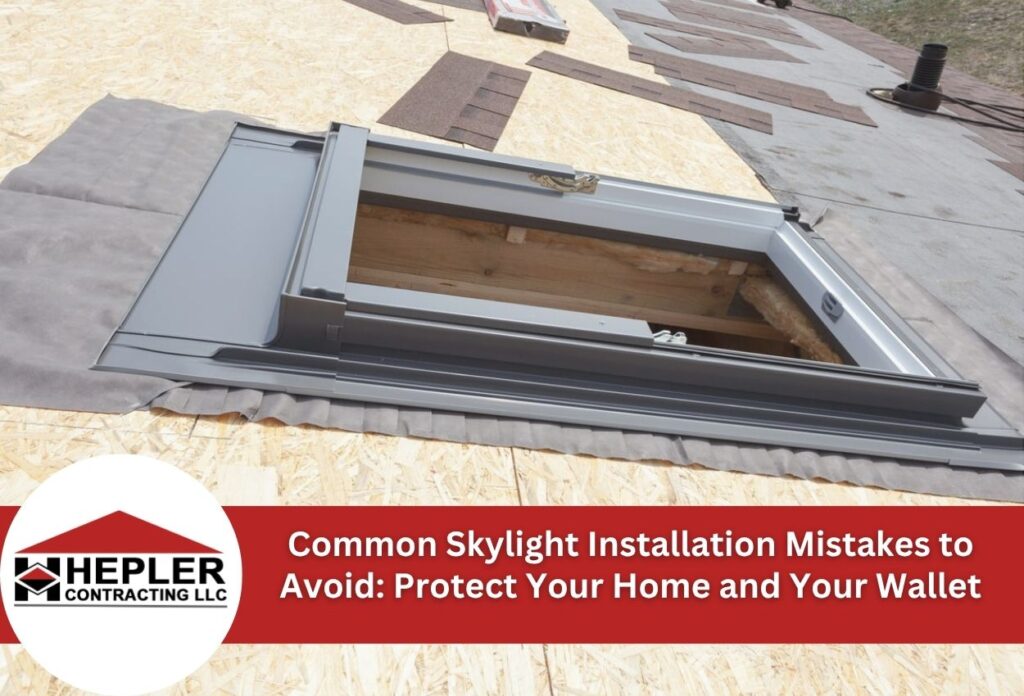
Skylights transform homes with natural light and can boost property value, but improper installation can lead to serious headaches for Pittsburgh homeowners. What starts as a beautiful addition can quickly become a source of frustration when leaks develop during heavy rainfall or snow melt. These installation errors often result in water damage, compromised roof integrity, and expensive repairs that far exceed the initial cost of professional installation.
Pittsburgh’s heavy snowfall, freeze-thaw cycles, and frequent rain can test even expertly installed skylights. Local homes require quality flashing, appropriate placement, and specific installation techniques to withstand these conditions. Unfortunately, many homeowners discover installation mistakes only after water begins seeping through ceilings or when energy bills unexpectedly rise due to poor insulation around the skylight.
Understanding common skylight installation errors can help homeowners when adding these features to their homes. From incorrect sizing and poor flashing installation to improper sealing and inadequate slope adjustments, these mistakes can significantly impact your roof’s performance. Knowing what to avoid ensures your skylight enhances your home rather than becoming a source of ongoing problems. Professional roofing and skylight contractors familiar with Pittsburgh’s climate can help navigate these potential pitfalls.
Improper Sizing and Selection: Finding Your Perfect Match
Selecting the right skylight size and type is about more than just aesthetics. Many Pittsburgh homeowners choose skylights that are either too large or too small, which can create significant issues. A properly sized skylight should typically cover no more than 5% to 10% of the room’s floor area to provide adequate natural light without causing excessive heat gain or loss.
To determine the ideal skylight dimensions, measure your roof pitch and room size carefully. Steeper pitches common in Pittsburgh neighborhoods often require specially designed skylights to prevent leakage during heavy rainfall. For every foot of ceiling height, consider adding one inch to the skylight’s length to maximize light, especially during our region’s cloudy winter months. Failing to account for Pittsburgh’s heavy snow loads during the planning phase can compromise the structural integrity of the roof even if the skylight is sized correctly for the room.
When comparing skylight types, Pittsburgh homeowners should consider our variable climate. Fixed skylights offer excellent energy efficiency and leak resistance for areas needing consistent natural light. Ventilating models provide air circulation that helps manage humidity during the summer months. Tubular skylights work wonderfully for smaller spaces like bathrooms or hallways where traditional models aren’t practical, and they minimize heat transfer during harsh winters.
The flashing system must match both your skylight type and roofing material. Slate or tile roofs, still common throughout Pittsburgh’s historic neighborhoods, require special flashing kits different from those used with asphalt shingles.
Skylight Flashing Installation Errors: The Number One Cause of Skylight Leaks
When it comes to skylight installation in Pittsburgh homes, flashing failures represent the most common source of water infiltration. Recent data indicates that 30-40% of skylight leaks are attributed to improper installation and flashing failures. Flashing creates a watertight seal between your skylight and roof, directing rainwater away from the opening. During Pittsburgh’s heavy downpours, which can exceed several inches in just hours, inadequate flashing quickly reveals itself through ceiling stains and dripping water.
Professional installation requires step flashing that integrates with each layer of roofing material. Each piece should overlap the previous one, creating a waterfall effect that channels moisture down and away from the skylight. For Pittsburgh’s climate, professionals often recommend additional ice and water shield underlayment around the skylight frame in all directions.
Watch for these common flashing errors: improperly sized flashing kits that leave gaps, flashing installed on top of rather than underneath shingles, and missing or damaged sill flashing at the bottom edge. These mistakes allow water to track under roofing materials and into your home. Also concerning are exposed fasteners that can rust and create entry points for moisture, which are particularly problematic during our freeze-thaw cycles. Do not rely on caulk or sealants as a primary waterproofing method; these are supplementary measures and cannot replace a properly integrated flashing system.
Regular inspections can identify flashing issues before major damage occurs. Look for rust stains, warped flashing materials, or sealant that has cracked or separated from surfaces. Addressing these problems as soon as you notice them prevents the need for expensive structural repairs that often follow prolonged water exposure. Repairing flashing leaks typically costs between $300 and $800, while average general skylight repairs range from $900 to $1,000.
Skylight Placement Mistakes: Location Matters More Than You Think
Many skylight installation failures stem from poor placement decisions. Strategic positioning is critical for maximizing natural light while avoiding potential structural issues. In Pittsburgh, a poorly placed skylight can create uncomfortable hot spots in summer or become completely ineffective during winter when sunlight angles change dramatically.
The orientation of your skylight significantly impacts its performance over time. North-facing skylights provide consistent, indirect light without excessive heat gain — ideal for Pittsburgh homes where summer cooling costs can quickly add up. South-facing installations deliver maximum sunlight but require proper glazing to prevent overheating and UV damage to interior furnishings.
Avoid placing skylights where roof valleys, chimneys, or vents might interfere with installation. These structural elements complicate flashing installation and increase the risk of leaks during heavy Pittsburgh rainfall. Equally important is maintaining adequate distance from roof edges and ridgelines to preserve structural integrity and prevent water channeling issues.
Consider interior factors too. Identify where natural light will be most beneficial — perhaps over a dark stairwell or in a north-facing kitchen. Position skylights to complement existing windows rather than creating harsh light contrasts. Remember that roof rafters and joists cannot simply be cut through during installation without specific structural reinforcement, such as double headers and trimmers. For larger openings or complex roof designs, particularly in Pittsburgh’s older homes, engineering approval may be required before installation begins.
Professional roofing and skylight contractors can identify these structural elements before installation begins, preventing major mistakes that compromise your home’s structural integrity.
Insulation Oversights: Preventing Energy Loss and Condensation
Insulation around skylights is crucial for Pennsylvania homes, yet it’s frequently overlooked during installation. During Pittsburgh’s harsh winters, inadequately insulated skylights can become significant sources of heat loss, causing energy bills to spike. The temperature difference between your warm interior and cold skylight surfaces creates the perfect conditions for condensation to form, potentially damaging surrounding drywall, framing, and insulation.
Professional skylight installation includes creating a thermal break between the frame and the roof structure. This creates ‘thermal bridging’—paths where heat transfers more easily between indoor and outdoor environments. This involves installing high-R-value insulation that completely surrounds the light shaft, eliminating gaps where cold air can seep through. Many installers mistakenly use standard fiberglass batts without proper air sealing, allowing warm, moist air to reach cold surfaces where it condenses.
Condensation prevention requires a multi-layered approach. First, air sealing with expanding foam around the skylight frame creates an airtight barrier. Next, insulation should be installed in the light shaft to match the surrounding attic insulation levels. Finally, installing skylights with low-E glass and argon filling significantly reduces heat transfer and surface temperature differentials that cause condensation. Select skylight models based on U-factor specifications appropriate for Pittsburgh’s climate zone, in addition to checking R-values.
Pittsburgh homes with vaulted ceilings present special challenges, as the limited space between the roof decking and the ceiling makes insulation difficult. In these cases, professional installers may recommend rigid foam insulation with higher R-values per inch, ensuring energy efficiency without sacrificing headroom. Remember that even minor insulation gaps can lead to significant moisture problems over time.
Navigating Pittsburgh Building Codes and Permits
Skylight installations in Pittsburgh typically require building permits before work begins. Homeowners must submit detailed plans showing flashing details and structural reinforcement. Required inspections verify proper flashing installation, structural support, ceiling-to-roof transitions, and the use of safety glazing. Failing to secure a permit can result in costly rework, additional fees, and the risk of insurance claim denial. Furthermore, unpermitted modifications must be disclosed when selling your home.
| Requirement | Details | Consequences of Non-Compliance |
|---|---|---|
| Building Permit | Required before installation begins | Costly rework, additional fees |
| Detailed Plans | Must show flashing details & structural reinforcement | Permit denial or delays |
| Flashing Inspection | Verify proper integration with roofing system | Failed inspection, required corrections |
| Structural Support | Double headers/trimmers for rafter/truss cuts | Safety hazard, failed inspection |
| Safety Glazing | Tempered or laminated glass per code | Failed inspection, glass replacement |
| Insurance Coverage | Unpermitted work may void coverage | Claim denial for water damage/leaks |
| Sale Disclosure | Unpermitted modifications must be disclosed | Legal liability, reduced home value |
DIY Disasters: When to Call Pittsburgh Skylight Professionals
While many homeowners love a DIY project, skylight installation involves complex roofing skills that often exceed the average homeowner’s capabilities. Research indicates that 60-65 fatal falls related to skylights occur in a single recent year, underscoring the severe physical danger of working on roofs. Before grabbing your ladder and tools, honestly assess which aspects you can handle safely. Basic maintenance like cleaning skylight glass or replacing simple weatherstripping might be manageable, but cutting roof openings and installing flashing systems require specialized expertise.
Professional contractors bring crucial knowledge about Pittsburgh’s building codes, which include specific requirements for skylight installation related to energy efficiency, structural integrity, and weather resistance. They also understand how our region’s freeze-thaw cycles affect different roofing materials and can select appropriate flashing and sealing techniques accordingly. Professional installation typically ranges from $1,500 to $2,500—an investment that safeguards against long-term repair costs.
| Factor | DIY Installation | Professional Installation |
|---|---|---|
| Cost | Materials only ($500-$1,500) | $1,500-$2,500 total |
| Safety Risk | High (60-65 fatal falls annually from skylight work) | Low (proper equipment & training) |
| Structural Work | Not recommended (requires double headers/trimmers) | Engineering approval for complex designs |
| Flashing Installation | Common errors (30-40% of leaks) | Proper integration with roofing system |
| Diagnostic Tools | Visual inspection only | Moisture meters & thermal imaging |
| Warranty | Product warranty only | Product + workmanship warranty |
| Permits & Inspections | Homeowner responsibility | Handled by contractor |
Warning signs that your skylight project needs professional intervention include uncertainty about locating roof joists and rafters, lack of experience with roof flashing installation, or unfamiliarity with waterproofing techniques. If you’re struggling to determine the correct skylight size for your roof pitch or are unsure how to create slope adjustments to prevent water pooling, these are clear indicators to call a professional. Professionals also utilize diagnostic tools like moisture meters and thermal imaging cameras to detect hidden water pathways that are not visible to the naked eye.
Remember that skylight leakage prevention starts with seamless installation. Even minor mistakes can compromise roof integrity and lead to extensive water damage. Pittsburgh roofing and skylight contractors can prevent potential problems before they occur and ensure your skylight enhances your home without creating headaches.
Post-Installation Neglect: Maintenance Practices for Lasting Performance
Even a perfectly installed skylight can fail prematurely without proper maintenance. In Pittsburgh, where we experience everything from heavy snow to intense summer storms, regular skylight care is essential for preserving functionality and preventing leaks. Many homeowners invest thousands in quality skylights but overlook the simple maintenance routines that protect this investment long-term.
Create a seasonal maintenance schedule that aligns with Pittsburgh’s weather patterns. In spring, inspect for winter damage and clear debris that accumulated during fall and winter. Before summer storms arrive, check sealants for cracking or separation. Fall maintenance should focus on clearing leaves and preparing for winter freezes. During winter, monitor for ice buildup that could force water under flashing.
Develop a routine inspection habit and look for water stains on interior finishes near the skylight, condensation between glass panes, visible gaps in exterior sealant, or damaged flashing. Use binoculars from ground level to examine exterior components safely. Inside, check for drafts by holding a lit candle near the skylight frame — any flame movement indicates air leakage. Test ventilating skylights to ensure mechanisms operate smoothly.
When minor issues appear, address them immediately. Replace deteriorated sealant before water infiltration damages surrounding materials. Tighten loose fasteners before they create entry points for moisture. Clean weep holes and drainage channels to prevent water backup during heavy Pittsburgh downpours. These simple maintenance practices extend the skylight’s lifespan significantly while protecting your roof’s structural integrity.
Choose Hepler Contracting LLC for Flawless Skylight Installation
Are you worried about the common skylight installation errors that could lead to leaks, structural damage, or inefficient energy use in your Pittsburgh home? Understanding skylight installation in our unique climate can be complex. Don’t risk the integrity of your roof and the comfort of your home. At Hepler Contracting LLC, we specialize in professional skylight installation that adheres to the highest standards, ensuring that your home remains beautiful, functional, and energy-efficient. We hold manufacturer certifications (such as VELUX) and provide workmanship warranties that extend beyond standard product guarantees.
Don’t let common mistakes cost you thousands in repairs. Call us today at (412) 694-8785 to learn more about our skylight installation services. Trust Hepler Contracting LLC to protect your home with expert installation and maintenance. Your peace of mind is worth the call.
How long does a professionally installed skylight typically last in Pittsburgh’s climate?
With proper installation and regular maintenance, quality skylights can last 20-30 years in Pittsburgh’s challenging climate. However, components like seals and flashing may need attention every 10-15 years due to our freeze-thaw cycles. Annual inspections help identify wear before it becomes problematic, maximizing your skylight’s lifespan.
Can I add a skylight to a room with an existing flat or low-slope roof?
Yes, but flat or low-slope roofs require specialized skylight models with curb-mounted designs that elevate the skylight above the roof surface. These installations need enhanced waterproofing measures and proper drainage channels to prevent water pooling. Pittsburgh’s heavy rainfall makes slope considerations especially critical for leak prevention.
What’s the best time of year to install a skylight in Pittsburgh?
Late spring through early fall offers ideal installation conditions when weather is dry and temperatures are moderate. Avoid winter installations when ice, snow, and freezing temperatures complicate sealing and flashing work. Summer installations should be scheduled during stable weather patterns to prevent rain exposure during the vulnerable installation phase.
Will a skylight make my room too hot during Pittsburgh summers?
Modern skylights with low-E coatings and proper glazing prevent excessive heat gain while still providing natural light. Strategic placement on north-facing roof sections minimizes direct sun exposure. Ventilating skylight models allow hot air to escape, and optional blinds or shades provide additional temperature control during peak summer months.
What happens if my skylight installer damages my roof during installation?
Reputable contractors carry liability insurance and workmanship warranties that cover installation-related damage to your roof structure, interior finishes, and surrounding materials. Always verify insurance coverage before work begins and ensure your contract specifies responsibility for any damage. Professional installers take precautions to protect your home throughout the process.