 Pay Online

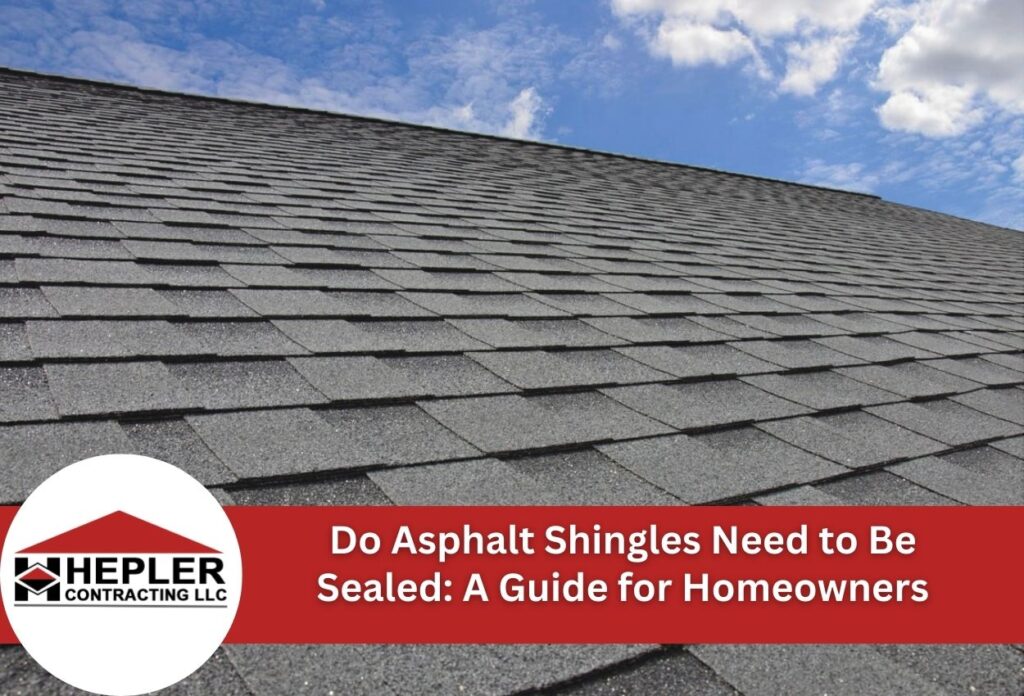
Asphalt shingles cover millions of homes across America, yet many homeowners remain uncertain about whether these roofing materials require sealing for optimal protection. The question of sealing asphalt shingles often arises when homeowners notice weathering, aging, or minor damage to their roof and wonder if additional protective measures could extend its lifespan.
Understanding asphalt shingle construction helps clarify the sealing debate. While manufacturers design them to withstand weather exposure, environmental factors like UV rays, temperature fluctuations, and moisture can gradually compromise their protective qualities over time.
The benefits of sealing asphalt shingles include enhanced water resistance, improved granule retention, and potential extension of roof life. Applying shingle sealer involves coating the entire roof surface with specialized products designed to restore flexibility and water-repelling properties.
The Truth About Sealing Requirements for Different Types of Shingles
Understanding whether asphalt shingles need to be sealed depends largely on the specific type of shingles protecting a home. Modern architectural shingles and older 3-tab shingles have distinctly different sealing needs due to their construction and built-in protective features.
Architectural shingles, also called dimensional or laminated shingles, typically feature enhanced factory-applied sealant strips that create strong adhesion between shingle layers. These self-sealing strips activate through heat and pressure, forming weatherproof bonds that resist wind uplift and leaks. The robust construction of architectural shingles often reduces the immediate need for additional sealing products during their early years.
3-Tab shingles, commonly installed on homes built before the 1990s, rely on sealant strips that may deteriorate over time. These older shingles often benefit more from applying shingle sealer as a maintenance strategy, particularly when factory sealants begin losing their effectiveness after years of weather exposure.
Factory-applied sealant strips work differently from aftermarket sealing products. Built-in strips create mechanical bonds between individual shingles, while liquid sealers form protective coatings over the entire shingle surface. When to seal roof shingles often depends on whether factory sealants remain functional or have degraded beyond their intended performance levels. The benefits of sealing asphalt shingles become most apparent when original protection systems show signs of failure through loose shingles or visible sealant deterioration.
Key Benefits That Make Shingle Sealing Worth Considering
The benefits of sealing asphalt shingles become most apparent when examining how these protective treatments enhance overall roof performance against environmental challenges. Sealed shingles demonstrate significantly improved weather resistance, particularly against wind-driven rain, temperature cycling, and UV degradation that commonly affect roofing systems throughout Pennsylvania’s varied climate conditions.
Enhanced weather resistance represents the primary advantage of applying shingle sealer to aging roof surfaces. The protective coating helps prevent leaks at shingle edges and overlaps where factory sealants may have weakened over time. This additional barrier reduces the risk of leaks that can lead to underlayment damage, deck rot, and interior water damage during severe weather.
Temperature fluctuations put constant stress on asphalt shingles through expansion and contraction cycles that gradually compromise the flexibility of the shingles. Sealing treatments help restore some pliability to brittle shingles while providing additional protection against thermal shock during rapid temperature changes. This enhanced flexibility reduces cracking and splitting that typically occurs as shingles age and lose their original resilience.
Warning Signs That Your Roof May Need to Be Sealed
Knowing when asphalt shingles need protection through sealing involves identifying specific visual indicators. Curling shingle edges are one of the most obvious signs that original protective barriers may no longer provide adequate weather resistance. When shingle corners start lifting, or edges begin turning upward, wind-driven rain can get beneath the shingle surface, creating conditions where applying shingle sealer could restore the protective barrier.
Loose shingles are signs of potential sealant failure, particularly when multiple shingles across different roof sections show similar problems. Factory sealant strips that have lost their adhesion allow individual shingles to shift during high winds, creating gaps that compromise the roof’s ability to shed water. Granule loss patterns also indicate aging that may benefit from sealing intervention, especially when bare asphalt patches become visible across significant portions of the roof.
Age-related factors play an important role in determining when to seal roof shingles effectively. Most asphalt shingles begin showing deterioration signs after 10 to 15 years of service, depending on local weather conditions and installation quality. Seasonal damage from winter ice dams, spring storms, and summer heat cycles can accelerate the aging of the materials, making older roofs prime candidates for protective sealing treatments.
How Professional Sealing Application Actually Works
Professional sealing application begins with thorough preparation steps that make sure the material adheres to the roof long-term. Roofing contractors start by conducting roof inspections to identify damaged shingles, loose fasteners, and areas requiring repair before sealing products can be applied effectively.
Cleaning is an important step in the preparation process. Removing debris, algae, moss, and accumulated dirt that could interfere with sealer bonding helps ensure that the sealant will adhere properly. Professional contractors use specialized equipment and cleaning solutions designed specifically for asphalt surfaces, avoiding harsh chemicals that might damage existing shingles. Proper cleaning ensures that applying shingle sealer creates strong adhesion between the protective coating and underlying roofing materials.
Application methods vary depending on roof size, pitch, and accessibility, but most professionals employ spray equipment that delivers consistent coverage across the entire roof surface. Quality sealers designed for asphalt roof protection require specific temperature and humidity conditions during application to achieve proper curing and maximum effectiveness. Contractors typically apply sealers in thin, even coats that get beneath the shingle’s surface while forming protective barriers against moisture infiltration.
Professional application ensures the right amount of coverage, including shingle overlaps, valleys, and edge details where leak risks are highest. The benefits of sealing asphalt shingles depend heavily on thorough application techniques that address these vulnerable points while maintaining uniform protection across the entire roofing system through proven roof shingle maintenance practices.
The Best Timing for Shingle Sealing Projects
Timing shingle sealing projects correctly maximizes both application effectiveness and long-term performance results. Spring and early fall emerge as the ideal seasons for applying shingle sealer in Pennsylvania’s climate, offering moderate temperatures and lower humidity levels that promote proper curing. These transitional seasons typically provide several consecutive dry days necessary for complete sealer adhesion while avoiding the extreme heat of summer that can cause premature drying or the cold temperatures of winter that prevent proper bonding.
Weather conditions play an important role in determining when to seal roof shingles successfully. Ideal application requires temperatures between 50 and 85 degrees Fahrenheit with relative humidity below 85%. Rain-free periods extending at least 24 hours after application allow sealers to cure properly and develop their intended protective properties. Wind speeds should remain below 10 mph during application to ensure even coverage and prevent overspray issues that could affect sealing quality.
The benefits of sealing asphalt shingles increase when projects align with natural roof maintenance cycles. Planning sealing applications after completing necessary repairs but before severe weather helps ensure maximum protection when roofing systems face their greatest challenges from seasonal temperature fluctuations and precipitation patterns common throughout the region.
Making the Right Decision for Your Specific Roof
Deciding whether asphalt shingles need to be sealed requires careful evaluation of multiple factors specific to each roofing system. The age of existing shingles serves as a primary consideration, as newer roofs with intact factory sealants typically require less intervention than older installations showing visible deterioration. Homeowners should assess current shingle condition, local weather and climate, and long-term maintenance goals when determining if sealing represents the most appropriate course of action.
Deciding between a repair and a replacement can often be complicated. Roofs with extensive damage, multiple missing shingles, or structural issues may benefit more from targeted repairs or complete replacement rather than sealing applications.
Your budget influences the timing and size of the project. While the benefits of sealing asphalt shingles can extend the roof’s lifespan, homeowners must weigh sealing costs against potential replacement expenses and expected performance gains. Some roofing systems nearing the end of their functional life may not justify sealing investments when replacement provides better long-term value.
Working with qualified roofing professionals ensures an accurate assessment and appropriate recommendations for asphalt roof protection. Local contractors understand regional weather patterns, common roofing challenges, and effective roof shingle maintenance strategies that address unique environmental factors. Professional evaluation helps homeowners make informed decisions about applying shingle sealer based on actual roof conditions rather than general assumptions about sealing benefits.
Protect Your Pittsburgh Home with Hepler Contracting LLC’s Expert Shingle Sealing Services
The weather in Pittsburgh can be harsh on your roof, and sealing might just be the protective step your home needs. At Hepler Contracting LLC, we specialize in enhancing the durability of your roof with high-quality shingle sealing that offers increased weather resistance and prolongs the lifespan of your roofing materials.
Don’t wait for visible damage before you take action. Contact us today at (412) 694-8785 to schedule a professional inspection. Our team will assess your roof’s condition and recommend the best sealing options tailored to your specific needs. Securing your roof now can save you significant repair costs in the future. Trust us to provide you with effective solutions that keep your home safe and dry through every season.