 Pay Online

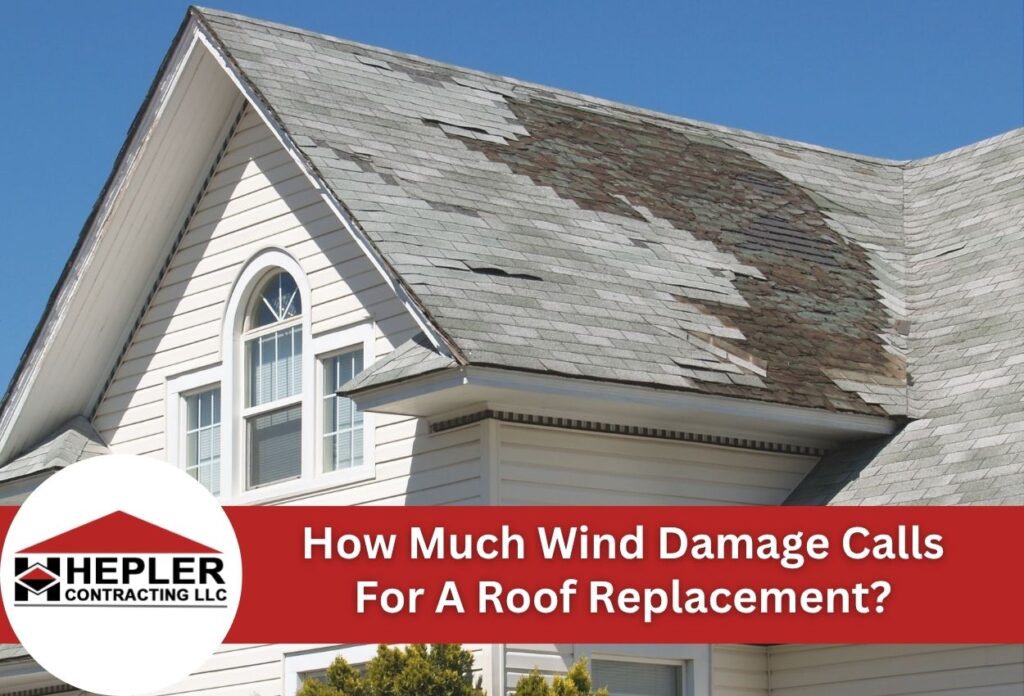
Wind damage to roofs creates an important decision for homeowners: repair the affected areas or replace the entire roof system. Knowing the difference between repairable wind damage and damage requiring full replacement protects both property value and family safety. Storm winds impact roofing materials differently, with asphalt shingles, metal panels, and tile systems each showing distinct patterns of deterioration under stress.
Signs of wind damage to shingles often appear as lifted edges, missing granules, or completely torn-away sections. However, the most concerning damage occurs when high winds compromise the underlying structure, including damaged decking, compromised flashing, or widespread membrane tears. These structural issues typically signal the need for complete roof replacement rather than spot repairs.
A proper roof assessment for wind damage examines both visible surface damage and hidden structural problems that develop during severe weather. Insurance companies evaluate roof replacement after storm damage based on specific criteria, including the percentage of affected roofing area and the extent of structural compromise. Homeowners who understand when to replace a roof due to wind damage can make informed decisions about insurance claims for wind-damaged roof situations, ensuring adequate protection while avoiding unnecessary expenses on temporary fixes that fail to address underlying problems.
Signs That Indicate Your Roof Needs Full Replacement After Wind Damage
Certain types of wind damage extend beyond surface-level problems and signal the need for complete roof replacement. Structural damage indicators represent the most serious concerns, particularly when wind forces compromise the roof decking beneath shingles or tiles. Damaged decking creates safety hazards and allows leaks that can lead to mold growth and interior damage. Multiple punctures from flying debris during storms often indicate widespread structural weakness that cannot be adequately addressed through partial repairs.
Extensive shingle loss patterns across large roof areas typically require full replacement rather than spot repairs. When wind damage affects more than 30% of the total roof surface, insurance companies often approve complete replacement claims. Granule displacement across significant portions of asphalt shingles reduces their protective capabilities and shortens their remaining lifespan considerably. These patterns suggest the entire roofing system has reached the end of its effective service life.
A professional wind damage roof assessment identifies whether damage requires replacement or repair. Signs of wind damage to shingles that appear throughout multiple roof sections indicate systemic failure rather than isolated problems. Homeowners should document extensive damage patterns when preparing insurance claims for wind-damaged roof situations. Understanding when to replace the roof from wind damage helps property owners make informed decisions about roof replacement after storm damage, ensuring long-term protection rather than temporary fixes that fail within months of completion.
Professional Wind Damage Assessment: What Contractors Look For
Professional contractors employ systematic inspection methods to determine how much wind damage to replace roof systems. These evaluations examine both visible surface problems and hidden structural issues that develop during severe weather. Trained professionals understand that wind damage roof assessment involves multiple inspection techniques to identify problems invisible to untrained observers.
Interior inspection methods focus on detecting hidden structural damage and leaks that occur during storms. Contractors examine attic spaces for signs of water stains, damaged insulation, or compromised structural members. These interior evaluations reveal whether wind-driven rain has gotten into the roofing system and caused damage to decking materials or support structures. Professional inspectors also check for daylight through the roof system, which indicates gaps or holes created by wind forces.
Exterior evaluation techniques measure the percentage of damaged roofing materials across the entire roof surface. Contractors document signs of wind damage to shingles, including lifted edges, missing sections, and granule displacement patterns. These professionals use precise measurement methods to calculate affected areas, which directly impacts insurance claims for wind-damaged roof situations. The assessment determines when to replace the roof due to wind damage based on industry standards and insurance requirements. Professional evaluations provide the documentation needed for roof replacement after storm damage claims, ensuring homeowners receive appropriate coverage for necessary repairs or complete replacement based on actual damage.
The 30% Rule and Professional Standards for Replacement Decisions
The roofing industry relies on established standards to determine when repair costs exceed replacement value for wind-damaged roofs. The widely accepted 30% rule serves as a primary benchmark, stating that when wind damage, or any form of damage, affects more than 30% of a roof, complete replacement becomes more cost-effective than extensive repairs. This standard helps contractors provide consistent recommendations and ensures homeowners receive appropriate solutions for their specific damage situations.
Roofing professionals evaluate multiple factors beyond simple percentage calculations when making replacement recommendations. Age of existing materials, previous repair history, and remaining warranty coverage all influence these decisions. When signs of wind damage to shingles appear across large areas of an older roof system, replacement often provides better long-term value than patching deteriorated materials. A professional wind damage roof assessment considers both immediate repair needs and projected future maintenance requirements.
Building code requirements significantly impact replacement recommendations following storm damage events. Local codes may mandate complete replacement when structural damage compromises safety standards, regardless of surface damage percentages. Safety standards require adequate attachment methods, proper ventilation systems, and compliant flashing installations that older damaged roofs may not meet. Insurance claims for wind-damaged roof situations often align with these professional standards, helping determine when to replace the roof from wind damage. Understanding these industry benchmarks helps homeowners make informed decisions about roof replacement after storm damage while ensuring compliance with current safety requirements.
Working with Insurance Adjusters to Document Wind Damage Severity
Preparing documentation before meeting with insurance adjusters significantly impacts claim outcomes for wind-damaged roofs. Property owners should photograph all visible damage from multiple angles, including close-up shots of lifted shingles, missing granules, and debris impact points. Date-stamped images provide crucial evidence of storm timing and damage extent. Creating detailed written descriptions of each damaged area helps adjusters understand the scope of problems requiring attention.
Insurance companies evaluate wind damage roof assessment reports using specific criteria to determine coverage eligibility. Adjusters examine the percentage of affected roofing materials, structural integrity issues, and compliance with policy terms. They distinguish between cosmetic surface damage and functional problems that compromise weather protection. Documentation showing signs of wind damage to shingles across significant roof areas strengthens replacement claims compared to isolated damage reports.
Professional contractor estimates provide valuable support during the adjustment process. Licensed roofing contractors can identify hidden damage that untrained observers might miss, including compromised underlayment or structural issues. Their professional assessments carry weight with insurance adjusters when determining whether repair or replacement represents the appropriate solution. Knowing when to replace the roof from wind damage requires collaboration between property owners, contractors, and insurance professionals. This teamwork ensures accurate evaluation of roof replacement after storm damage needs while maximizing insurance claims for wind-damaged roof situations based on actual damage severity rather than superficial appearances.
Key Factors That Determine Replacement vs. Repair Decisions
The age of an existing roof system plays a crucial role in determining whether wind damage repair remains a viable option or complete replacement becomes necessary. Older roofing materials lose their flexibility and resistance to weather forces over time, making them more susceptible to widespread damage during storms. When wind damage affects roofs approaching or exceeding their expected lifespan, partial repairs often fail to provide adequate long-term protection. Asphalt shingles older than 15 years typically show reduced granule adhesion and brittleness, which makes matching repairs difficult to execute effectively.
Material matching presents significant challenges when attempting repairs on older roof systems damaged by wind. Discontinued shingle styles, altered color formulations, and updated manufacturing specifications make seamless repairs nearly impossible on many existing installations. These matching difficulties create appearance inconsistencies and potential performance gaps between old and new materials. When signs of wind damage to shingles occur on roofs with limited material availability, replacement often provides the only practical solution for maintaining uniform protection.
Long-term performance considerations heavily influence professional recommendations during wind damage roof assessment evaluations. Patch repairs on aging systems frequently require additional maintenance within several years, creating ongoing expenses that exceed replacement costs. Insurance claims for wind-damaged roof situations increasingly favor replacement when existing materials cannot accommodate effective repairs.
Next Steps After Determining Your Roof Needs Replacement
Once a professional wind damage roof assessment confirms that replacement is necessary, establishing a realistic timeline becomes the immediate priority. Emergency protection measures must be implemented quickly to prevent additional water damage while waiting for permanent replacement installation. Temporary tarping or emergency patching protects interior spaces from weather exposure during the planning and permitting phases of roof replacement after storm damage projects.
The replacement timeline typically spans several weeks from initial approval through project completion. Insurance claims for wind-damaged roof situations require processing time for adjuster reviews and contractor selection procedures. Weather conditions, material availability, and contractor scheduling affect project timelines significantly during busy storm seasons. Property owners should expect emergency protection to remain in place for 2 to 4 weeks before permanent replacement begins in most situations.
Selecting qualified contractors requires verification of licensing, insurance coverage, and storm damage experience specific to wind-related roofing problems. Reputable contractors provide detailed project timelines, material specifications, and warranty information during the estimation process. They understand when to replace the roof due to wind damage and can navigate insurance requirements effectively. The replacement process involves permit applications, material ordering, debris removal, and installation phases that require coordination between multiple parties. Understanding signs of wind damage to shingles helps homeowners communicate effectively with contractors throughout the replacement process, ensuring proper materials and installation methods address the specific damage patterns identified during the initial assessment phase.
Ensure Your Safety with Hepler Contracting LLC’s Roof Replacement Services
Wind damage can severely compromise the integrity of your roof, often needing a complete replacement to ensure the safety and security of your home. At Hepler Contracting LLC, we specialize in assessing wind damage and providing comprehensive solutions that restore your peace of mind. If you’ve noticed extensive shingle loss, granule displacement, or structural damage such as compromised decking or multiple punctures, it’s crucial to act swiftly.
Don’t let wind damage threaten your home’s safety. Call us today at (412) 694-8785 for a professional roof assessment. Our expert team is ready to provide you with a detailed evaluation and a tailored solution, ensuring your roof is robust and secure against future storms.