 Pay Online

How Often Should Commercial Roofs Be Inspected in Pittsburgh?
3 Key Takeaways
- Regular inspections prevent costly damage: Conducting commercial roof inspections at least twice a year, with additional post-storm checks, helps identify minor issues like membrane damage, debris buildup, and drainage problems before they escalate into expensive repairs.
- Inspection schedules depend on roof type and equipment: Different commercial roofing systems (flat, low-slope metal, built-up, TPO, EPDM, modified bitumen) and rooftop equipment require tailored inspection frequencies and attention to specific vulnerabilities to maintain optimal performance.
- Professional assessments complement property manager checks: Combining routine visual inspections by property managers with detailed evaluations from certified roofing contractors ensures comprehensive monitoring, extends roof lifespan, and supports cost-effective maintenance planning.
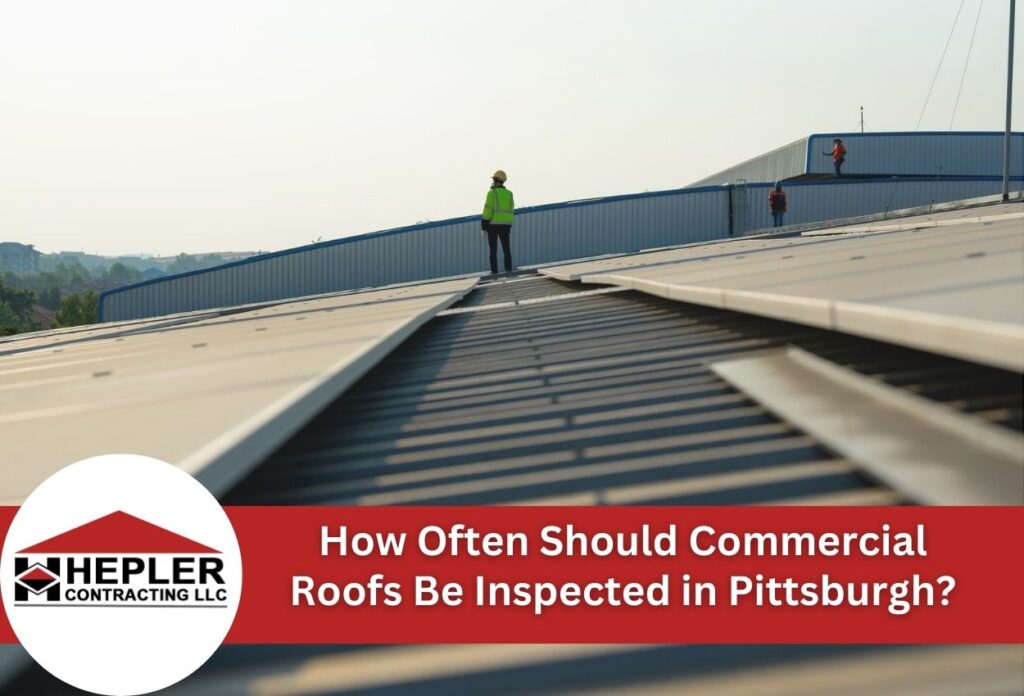
The frequency of a commercial roof inspection depends on several critical factors that property owners and managers must understand to protect their investments. Most roofing professionals recommend conducting comprehensive commercial roof inspections at least twice per year, typically during spring and fall when weather conditions allow for thorough assessments.
The type of roofing material significantly impacts inspection timelines. Single-ply membranes like TPO and EPDM have different maintenance schedules compared to built-up roofing systems or modified bitumen installations. Across any type of flat commercial roof, they generally need more frequent attention than sloped systems due to drainage challenges and membrane stress patterns.
Property managers who establish preventive commercial roof maintenance programs often discover minor issues before they develop into expensive repair situations. Visible water damage, membrane bubbling, loose fasteners, and debris accumulation around drainage areas are signs that your roof isn’t performing to its full capability.
Commercial roof inspection services provide professional assessments that identify potential problems early, extending the lifespan of a roof and maintaining building performance. Regular inspections form the foundation of effective commercial roof maintenance schedules that protect both the structure and interior assets from weather-related damage.
Seasonal Inspection Guidelines for Maximum Protection
Establishing proper seasonal timing for commercial roof inspections creates a proactive maintenance approach that addresses weather-related challenges before they escalate into major problems. Spring and fall represent optimal inspection periods when moderate temperatures and stable weather conditions allow thorough roof assessments without extreme heat or harsh winter conditions interfering with evaluation processes.
Spring inspections focus on assessing winter damage that accumulated during months of snow, ice formation, and freeze-thaw cycles. These evaluations identify membrane tears, flashing separations, and drainage system blockages that developed during periods of harsh weather. Commercial roof inspection services during spring allow property managers to address discovered issues before summer heat intensifies roofing material stress.
Fall commercial roof maintenance schedules prepare buildings for upcoming winter challenges by clearing debris from drainage systems, securing loose materials, and identifying vulnerable areas that require reinforcement. The timing of preventive commercial roof maintenance ensures roofing systems enter winter in optimal condition.
Post-storm inspection protocols become essential following severe weather that frequently impacts the region. High winds, hail damage, and heavy rainfall can compromise roofing integrity within hours, making immediate assessment important for preventing leaks and structural damage.
Warning Signs That Signal Your Roof Needs Immediate Attention
Recognizing critical warning signs helps property owners determine when commercial roof inspection frequency should increase beyond standard maintenance schedules. Visual indicators observable from ground level provide the first line of defense against developing roofing problems that can escalate rapidly without proper intervention.
Ponding water represents one of the most serious exterior warning signs, indicating drainage system failures or structural settling that prevents proper water evacuation. Areas where water remains standing for more than 48 hours after rainfall create environments for membrane deterioration and potential leak development. Visible membrane damage, including tears, punctures, or bubbling sections, signals immediate inspection needs regardless of scheduled maintenance timing.
Unusual odors, particularly musty smells that indicate moisture accumulation, signal potential water infiltration that may not yet be visible through surface staining. These signs that commercial roofs need inspection should trigger immediate contact with commercial roof inspection services to prevent extensive property damage.
Different Roof Types Require Different Inspection Schedules
Commercial roofing materials possess unique characteristics that directly influence how often commercial roofs are inspected and maintained. Understanding these material-specific requirements helps property managers develop effective commercial roof maintenance schedules that address each system’s particular vulnerabilities and performance patterns.
Flat roofing systems utilizing TPO membranes require inspections every 6 months due to their susceptibility to seam separation and thermal movement. EPDM roofing systems benefit from quarterly assessments during their first 2 years, then transition to semi-annual commercial roof inspection frequency once the membrane stabilizes. Modified bitumen installations need more frequent attention, with inspections recommended every 4 months because of their vulnerability to temperature fluctuations and surface granule loss.
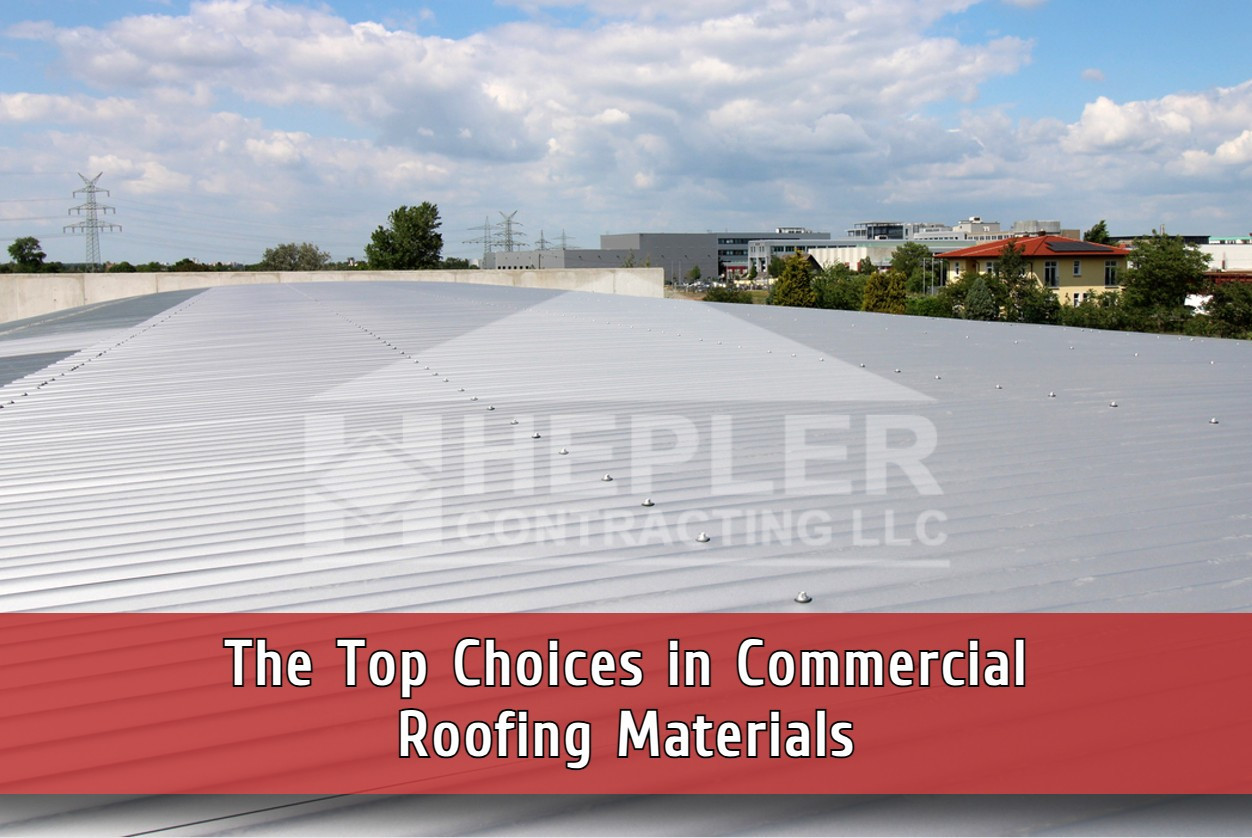
Low-slope metal roofing systems present different maintenance challenges that require specialized inspection approaches. These systems benefit from spring and fall evaluations that focus on fastener integrity, panel expansion joint performance, and coating condition. Metal roof inspections should always include detailed examinations of seals around gaps and gutter attachment points where thermal movement creates stress concentrations.
Built-up roofing systems require the most intensive commercial roof inspection services, with quarterly assessments recommended to monitor gravel displacement, membrane layer separation, and the condition of the flashing. These multi-layer systems develop problems gradually, making frequent evaluation essential for identifying issues before they compromise the entire assembly.
Evaluating Rooftop Equipment During Inspections
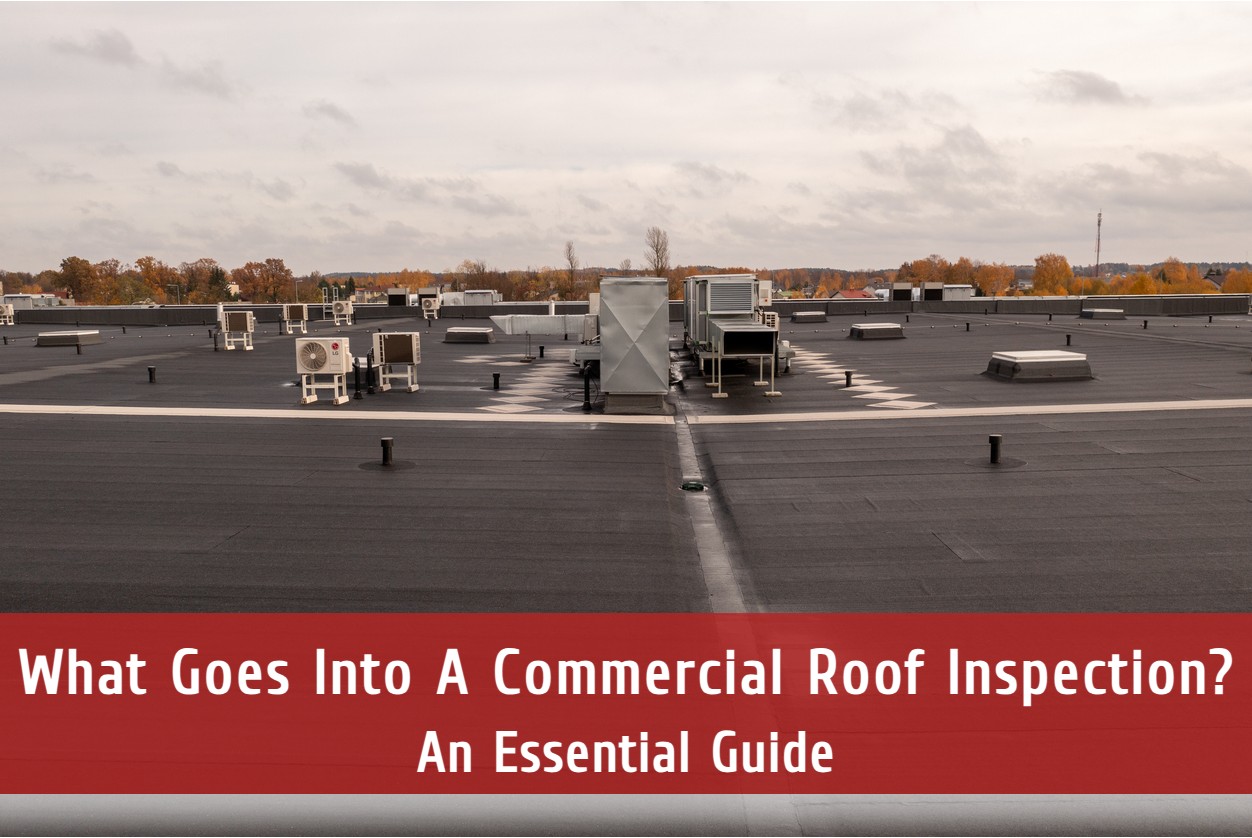
Commercial roofs often support HVAC units, vents, solar panels, and other mechanical equipment that can affect roofing performance. Inspectors should examine the base of these structures for signs of settling, uneven surfaces, or flashing separation. HVAC equipment moving due to wind or vibration can place additional stress on the roof’s membrane, potentially creating weak points over time. Regular inspections ensure that protective barriers around rooftop units remain intact and that fasteners.
Attention to these areas also prevents minor shifts from becoming significant leaks or surface damage. Property managers benefit from documenting the condition of rooftop equipment during each inspection, allowing maintenance teams to coordinate repairs or adjustments alongside roofing work. Incorporating this step enhances the overall reliability and service life of commercial roofing systems.
Professional vs. Basic Property Manager Inspections
Understanding the distinction between basic property assessments and professional roofing evaluations helps building owners develop comprehensive commercial roof maintenance schedules that balance cost-effectiveness with thorough system monitoring. Property managers can conduct routine walkthroughs to identify obvious problems, while certified contractors handle technical assessments that require specialized equipment and expertise.
Basic property manager inspections focus on visual observations that require no special training or equipment. These routine assessments identify the accumulation of debris, obvious membrane damage like tears or punctures, and drainage system blockages that prevent proper water flow. Property managers can safely evaluate gutter performance, document ponding water locations, and photograph visible damage for professional review without accessing dangerous parts of the roof.
Ground-level observations provide valuable information about overall roof condition through interior inspections that reveal water stains, temperature control issues, and moisture-related odors.
Technical assessments require certified roofing contractors equipped with specialized tools for checking the structural integrity of the membrane, conducting structural evaluations, and thermal imaging analysis. Professional commercial roof inspection services include core sampling, adhesion testing, and drainage calculations that exceed basic visual assessment capabilities.
Creating an Effective Maintenance Schedule That Saves Money
A well-structured commercial roof maintenance schedule reduces long-term costs by addressing problems before they require expensive emergency repairs or premature roof replacement. Strategic planning that incorporates Pittsburgh’s climate patterns with documentation practices creates a comprehensive approach to building protection that maximizes return on maintenance investments.
Summer maintenance priorities include thermal stress monitoring and membrane expansion joint assessments, while fall schedules emphasize debris removal and weatherproofing. This seasonal approach ensures that inspections align with natural stress cycles that affect system performance and longevity.
Effective scheduling coordinates routine property manager observations with professional commercial roof inspection services to create layered monitoring systems. Monthly visual assessments identify obvious problems, quarterly professional evaluations address technical concerns, and annual comprehensive inspections provide detailed condition assessments for long-term planning purposes.
Documentation strategies that track inspection findings, repair history, and material performance create valuable records that support warranty claims and guide decisions. These records help identify recurring problems, track contractor performance, and justify maintenance expenses through demonstrated cost savings compared to reactive repair approaches.
Choosing the Right Commercial Roofing Contractor for Inspections
Selecting qualified commercial roof inspection services requires a look at the contractor’s credentials, certifications, and local experience that ensure thorough assessments and reliable recommendations. Professional roofing contractors possess specialized training and equipment necessary for comprehensive evaluations that exceed basic visual inspections performed by property management staff.
Essential things to ask about include:
- Current licensing
- Comprehensive insurance coverage
- Manufacturer certifications for specific roofing systems
Certified contractors maintain relationships with material manufacturers that provide access to technical resources, warranty support, and specialized repair procedures that enhance inspection quality and follow-up service delivery.
Local experience is important when establishing commercial roof maintenance schedules because regional contractors understand climate-specific challenges that affect roofing system performance. Contractors familiar with Pittsburgh weather patterns recognize signs that commercial roofs need inspection based on seasonal stress factors and material behavior unique to the area’s environmental conditions.
Professional inspection procedures typically require 4 to 6 hours for commercial buildings, depending on the size of the roof and the complexity of the system. Qualified contractors provide detailed written reports within 48 hours that document current conditions, identify potential problems, and prioritize recommended repairs based on urgency and safety considerations.
Protect Your Investment with Hepler Contracting LLC
Understanding when to schedule roof inspections is crucial for maintaining the integrity of your commercial property in Pittsburgh. Hepler Contracting LLC offers specialized commercial roof inspection services tailored to the unique weather challenges of the Pittsburgh area. Don’t wait for visible signs of damage to take action. Regular inspections can prevent expensive repairs and extend the lifespan of your roof.
For professional advice and top-notch service, call Hepler Contracting LLC now at (412) 694-8785 and ensure your roof is in perfect condition year-round.