 Pay Online

Key Points:
- A professional roof inspection is exceptionally thorough, examining all exterior and interior components, occasionally using advanced tools like drones and infrared cameras.
- These comprehensive evaluations identify hidden damage and early deterioration, protecting your home from expensive future repairs.
- Expect a detailed report with photos, priority rankings, and clear maintenance recommendations for informed roof care.
When you suspect damage to your roof and need a professional opinion, you’ll find that hiring an expert provides you with an evaluation that goes far beyond a simple visual check from the ground. These thorough assessments examine every part of the roofing system, from shingles and flashing to gutters and ventilation, ensuring nothing escapes observation. The roof inspection process typically involves both exterior and interior evaluations, with trained professionals identifying current damage, potential problem areas, and overall structural integrity.
A thorough roof inspection covers structural elements, weatherproofing materials, drainage systems, and attic conditions. Professional roof inspection services utilize specialized tools and techniques to detect issues that untrained eyes might miss, including moisture infiltration, compromised seals, and deteriorating materials that could lead to expensive repairs if left unaddressed.
The thoroughness of a roof inspection service directly impacts the value homeowners and property buyers receive from the assessment. Proper evaluations protect investments by revealing hidden problems early, allowing for informed decision-making about maintenance, repairs, or property purchases. Understanding exactly how detailed these inspections are helps set realistic expectations and ensures maximum benefit from professional roof inspection services.
Essential Areas Every Quality Roof Inspector Examines
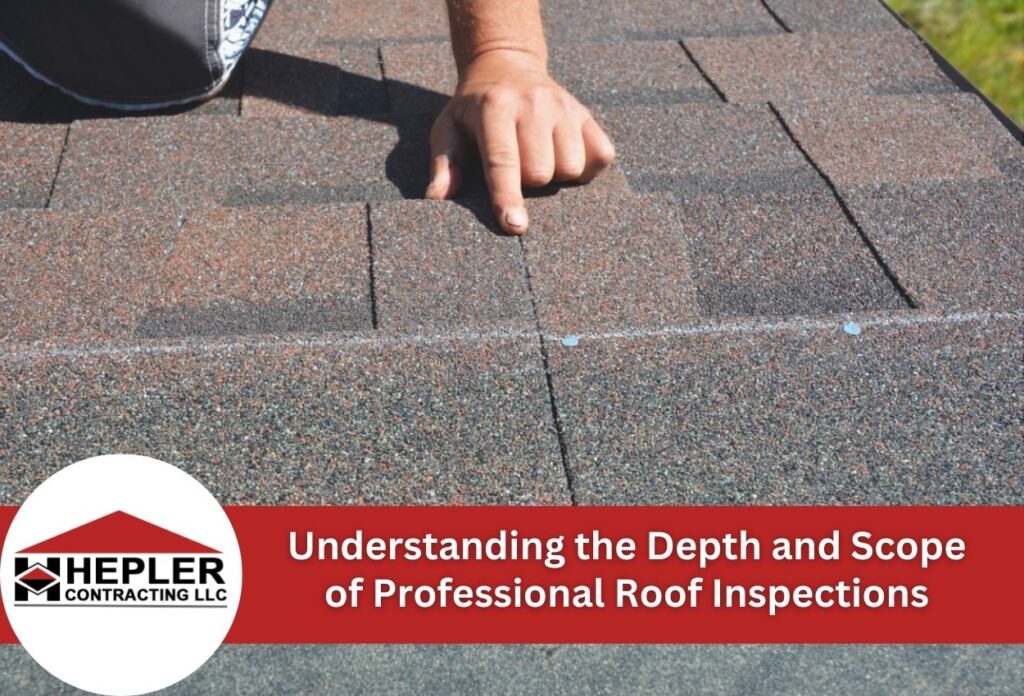
A thorough roof inspection systematically covers both exterior and interior components to determine the complete condition of a roofing system. Professional roof inspection services begin with exterior assessments of shingles, examining each section for missing, cracked, or curled materials that compromise weather protection. Flashing around chimneys, vents, and natural gaps in the roof receives careful attention, as these areas frequently develop leaks that cause extensive damage.
The roof inspection process includes detailed gutter evaluations, checking for proper drainage, secure attachment, and signs of water backup that can damage fascia boards and foundations. Structural components like rafters, decking, and support beams also undergo thorough examination to identify sagging, rot, or other integrity issues.
Interior inspection requirements focus on the attic space where insulation problems, ventilation deficiencies, and water damage are most apparent. Professional inspectors examine ceiling areas for stains, discoloration, or soft spots that indicate moisture infiltration. What does a roof inspection include regarding ventilation systems? Proper airflow assessment prevents ice dam formation and moisture buildup that leads to mold growth and structural deterioration.
Advanced Tools and Techniques Used During Professional Evaluations
Modern roof inspection services utilize sophisticated equipment that reveals problems invisible to standard visual assessments. Professional roof inspection teams employ moisture meters to detect water infiltration within roofing materials before visible damage appears. These devices measure moisture levels in wooden roof decks, attic insulation, and structural components, identifying compromised areas that require immediate attention during the comprehensive roof evaluation process.
Infrared cameras represent another critical advancement in how thorough a roof inspection can become. These thermal imaging tools detect temperature variations that indicate missing insulation, air leaks, or moisture problems hidden beneath surface materials. What does a roof inspection include when using thermal technology? Inspectors can identify issues with energy efficiency, along with structural problems without invasive procedures.
Drone technology has revolutionized the roof inspection process by providing detailed aerial views of hard-to-reach areas safely and efficiently. These devices capture high-resolution images of steep slopes, tall structures, and dangerous sections that would otherwise require extensive ladder work.
While not advanced technology, professional documentation methods are advanced beyond the average homeowners’, involving detailed photographic evidence that creates permanent records of roof conditions. This comprehensive visual documentation supports insurance claims, maintenance planning, and provides property owners with clear evidence of current roofing system status for future reference.
Timeline and Steps In The Process of a Thorough Roof Assessment
A systematic roof inspection process begins when professional inspectors arrive on-site and conduct an initial property walkthrough to assess safety conditions and access points. The comprehensive roof evaluation typically starts with exterior examinations, where inspectors methodically check each roof section, documenting shingle conditions, flashing integrity, and gutter systems. This exterior phase usually requires 1 to 2 hours depending on the architecture of the roof and its size.
Interior assessments follow the exterior evaluation, focusing on attic spaces, ceiling conditions, and ventilation systems. Professional roof inspection teams examine insulation levels, moisture indicators, and structural components from inside the building. During this time, inspectors will look for water stains, proper airflow, and signs of pest infiltration that compromise the roof’s performance.
Several factors influence how thorough a roof inspection becomes and the length of time it takes to complete. Roof size, architectural complexity, and age significantly impact inspection time requirements. Weather conditions, accessibility challenges, and the number of gaps in the roofing system also affect the timeline. Most professional roof inspection services complete standard residential evaluations within 2 to 4 hours, though larger or more complex structures may require additional time. The final step involves compiling findings into detailed reports with photographic documentation and recommended actions.
Red Flags and Critical Issues Professional Inspectors Prioritize
Professional roof inspection services focus immediately on safety hazards that pose threats to both the property and its occupants. Structural damage represents the most critical concern during any comprehensive roof inspection, including sagging roof lines, damaged support beams, or compromised roof decks that could lead to collapse. Inspectors also prioritize active leaks, missing shingles after storms, and damaged flashing around chimneys or vents that allow water infiltration.
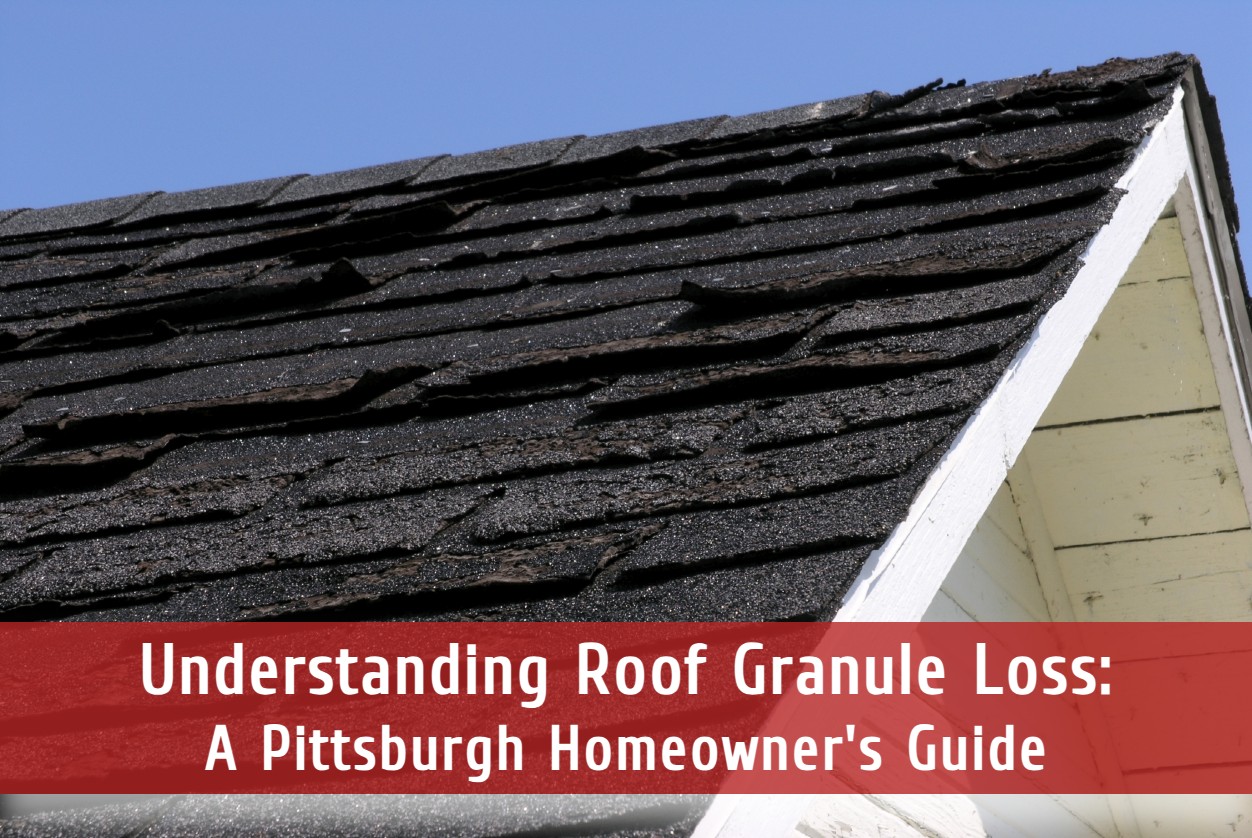
The roof inspection process emphasizes being able to identify patterns of deterioration before they escalate into major problems. Experienced professionals recognize subtle signs like granule loss on asphalt shingles, minor membrane bubbling on flat roofs, or early corrosion on metal components. Experts may also check for cracked caulking, loose fasteners, and blocked drainage systems that gradually compromise roof performance.
How thorough a roof inspection needs to be, or becomes, is directly related to being able to catch problems in their early stages when repair costs remain manageable. The more extensive the area of damage, the more likely that other parts of the roof are compromised and need attention as well. Professional inspectors understand that small issues like damaged step flashing or clogged gutters can quickly develop into expensive structural repairs if ignored.
What Your Inspection Report Should Include for Maximum Value
A comprehensive roof inspection report serves as the foundation for informed property maintenance decisions and should contain detailed documentation that justifies the investment in professional roof inspection services. Quality reports include systematic findings organized by roof sections, with each identified issue clearly described and accompanied by high-resolution photographic evidence. A thorough roof inspection process will be able to provide documentation that translates observations into actionable information property owners can understand and use for planning.
Essential documentation standards require inspectors to provide priority rankings for issues they’ve identified, distinguishing between immediate safety concerns, recommended repairs, and routine maintenance items. They should be documented with detailed descriptions of material conditions, assessments of structural integrity, and specific locations of problems using industry-standard terminology. Professional roof inspection services ensure reports contain sufficient detail for contractors to provide accurate repair estimates without requiring additional site visits.
Effective inspection reports may also include maintenance recommendations with realistic timeline suggestions that help property owners budget for future roof care. A comprehensive roof inspection translates into practical guidance about when to schedule routine maintenance, plan major repairs, or consider full replacement. The thoroughness of a roof inspection can be determined by whether the final report empowers property owners with clear priorities and reasonable timeframes for addressing identified concerns while providing maintenance information for future care.
Choosing the Right Inspector to Ensure Maximum Thoroughness
Selecting a qualified roof inspector directly determines how thorough a roof inspection becomes and the reliability of findings. Professional roof inspection services should demonstrate relevant certifications from recognized industry organizations such as the ASHI (American Society of Home Inspectors) and NRCIA (National Roof Certification and Inspection Association). Licensed contractors with specific roofing expertise often provide more detailed assessments than general property inspectors because they understand complex roofing systems and installation standards.
Essential qualifications include liability insurance, local licensing requirements, and documented experience with various roofing materials common in the area. The roof inspection process benefits significantly when inspectors possess specialized training in modern assessment techniques, including thermal imaging and moisture detection equipment. What does a roof inspection include when performed by qualified professionals involves advanced diagnostic capabilities that untrained individuals cannot provide.
Prospective clients should ask specific questions about inspection procedures, reporting standards, and guarantee policies before hiring any service. Professional roofers should explain their approach to inspections, describe what equipment they use, and provide sample reports demonstrating thoroughness. A comprehensive roof evaluation requires inspectors who can identify subtle problems and communicate findings clearly through detailed documentation that supports future maintenance planning and insurance claims.
Ensure Your Roof’s Longevity with Hepler Contracting LLC’s Comprehensive Roof Inspections
At Hepler Contracting LLC, we understand the importance of a detailed and thorough roof inspection. Our professional team is trained to identify not just the obvious issues but also the hidden problems that could lead to significant repairs if left unchecked. By choosing us for your roof inspection, you’re not only protecting your investment but also ensuring the safety and longevity of your roof.
After our comprehensive evaluation, you’ll receive a detailed report that includes photographic evidence, findings, and maintenance recommendations tailored to your roof’s condition. Call Hepler Contracting LLC today at (412) 694-8785 and schedule a professional roof inspection that leaves no stone unturned.