 Pay Online

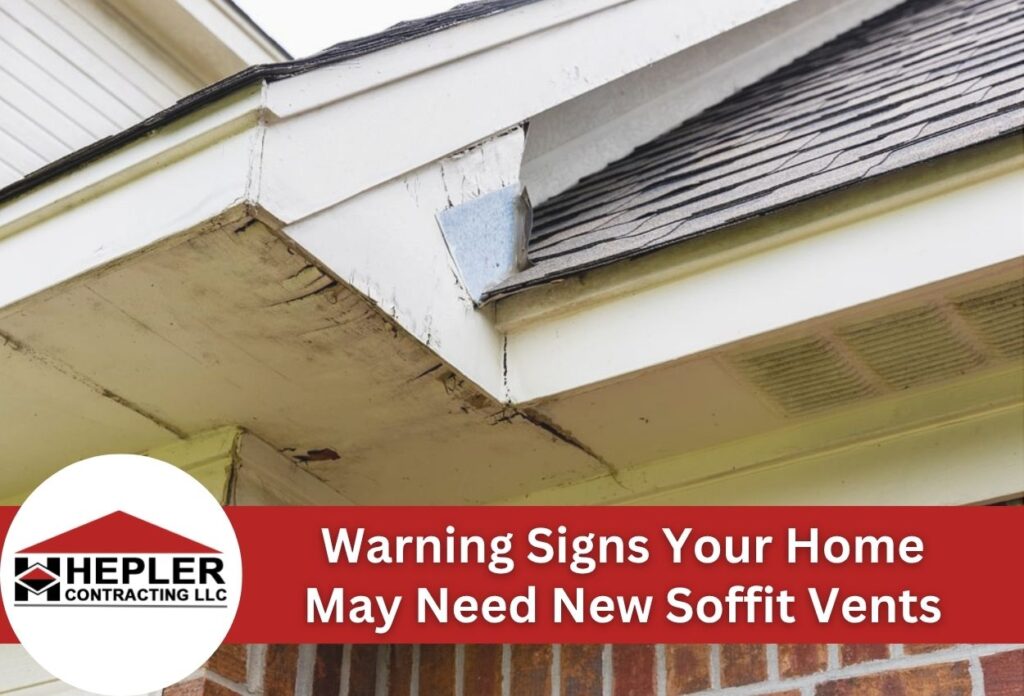
Soffit vents play a crucial role in maintaining proper airflow throughout your home’s attic and roof system. These small but essential components allow fresh air to enter the attic space while working with ridge vents to create continuous ventilation that prevents moisture buildup and temperature extremes.
When soffit vents fail or become inadequate, homeowners often face serious consequences including ice dam formation, mold growth, increased energy bills, and premature roof deterioration. Recognizing the signs of damaged soffit vents early can save thousands in repair costs and protect your home’s structural integrity.
Many homeowners struggle to identify when their current ventilation system needs attention. Soffit ventilation problems often develop gradually, making them difficult to spot until significant damage occurs. Common indicators include visible pest infiltration, blocked or clogged openings, damaged screens, and inadequate airflow in attic spaces.
Understanding how to tell if you need new soffit vents requires knowing what to look for during routine roof ventilation inspections. Attic ventilation issues manifest through various warning signs, from excessive heat buildup in summer to condensation problems in winter. Recognizing when to replace soffit vents helps maintain optimal indoor comfort while preventing costly structural damage that affects your home’s value and safety.
Visual Clues That Point to Soffit Vent Problems
Identifying signs of damaged soffit vents requires careful observation both inside and outside your home. These visual indicators often appear gradually, making regular inspection essential for maintaining proper attic ventilation.
External damage becomes visible from ground level in several ways. Cracks or holes in soffit panels indicate structural deterioration that compromises ventilation effectiveness. Paint peeling around soffit areas suggests moisture infiltration, while rust stains or discoloration point to water damage affecting the ventilation system. Pest intrusion signs include visible nesting materials, droppings, or damaged screens that allow insects and small animals to enter attic spaces.
Interior warning signs reveal soffit ventilation problems through moisture-related damage patterns. Water stains on ceilings near exterior walls often indicate inadequate airflow causing condensation buildup. Discoloration appears as brown or yellow patches that spread over time when attic ventilation issues persist. Unusual moisture patterns include condensation on windows, musty odors, or excessive humidity levels throughout the home.
These roof ventilation inspection findings help determine when to replace soffit vents before extensive damage occurs. Homeowners should monitor these visual clues regularly, as early detection prevents costly repairs and maintains healthy indoor air quality. Professional assessment becomes necessary when multiple warning signs appear simultaneously or when damage extends beyond surface-level cosmetic issues.
Temperature and Air Quality Issues in Your Home
Poor soffit ventilation creates noticeable temperature problems that affect both comfort and energy costs throughout the year. During summer months, inadequate airflow causes hot spots in upper floor rooms and attic spaces that reach dangerous temperatures exceeding 150 degrees. This excessive heat forces air conditioning systems to work harder, resulting in higher utility bills and reduced equipment lifespan. Winter brings different challenges when blocked soffit vents prevent proper air circulation, leading to ice dam formation along roof edges that can cause significant structural damage.
Indoor air quality deteriorates when soffit ventilation problems restrict proper airflow throughout the home. Stuffy air conditions develop in bedrooms and living spaces, particularly on upper floors where stagnant air accumulates. Musty odors become noticeable in closets, bathrooms, and bedrooms, indicating moisture buildup from inadequate ventilation. Humidity problems manifest through condensation on windows, damp feeling air, and difficulty maintaining comfortable temperature levels despite proper thermostat settings.
These attic ventilation issues compound over time, creating unhealthy living conditions that affect respiratory health and overall comfort. Recognizing when to replace soffit vents becomes critical when temperature fluctuations increase energy consumption or when persistent odors and humidity problems resist other solutions. Professional roof ventilation inspection helps identify the root causes of these comfort issues and determines whether existing vents require replacement or supplementation to restore proper airflow balance.
Checking Your Attic for Ventilation Problems
Attic inspections reveal critical information about soffit vent performance and overall ventilation system effectiveness. Simple inspection techniques help identify moisture damage, mold growth, and insulation problems that indicate when to replace soffit vents.
Begin by examining insulation conditions near exterior walls where soffit vents should draw fresh air into the attic space. Wet or compressed insulation indicates blocked airflow pathways that prevent proper ventilation. Dark staining on insulation materials suggests mold growth from excessive moisture buildup when soffit ventilation problems persist. Check for ice buildup on roof decking during winter months, as this signals inadequate air circulation that creates condensation issues.
Understanding proper airflow patterns helps identify insufficient ventilation pathways throughout the attic space. Fresh air should enter through soffit vents and exit through ridge vents, creating continuous circulation that prevents hot spots and moisture accumulation. Look for blocked or obstructed areas where insulation covers soffit openings, preventing air intake. Examine the underside of roof decking for water stains, rust spots on nails, or wood discoloration that indicates condensation problems from poor ventilation.
Signs of damaged soffit vents become apparent when attic temperatures remain excessively hot during summer or when frost appears on interior surfaces during cold weather. These attic ventilation issues require immediate attention to prevent structural damage and maintain healthy indoor air quality. Professional roof ventilation inspection becomes necessary when multiple problems appear simultaneously or when visual damage extends beyond simple maintenance repairs.
Age and Wear Factors That Determine Replacement Timing
Weather exposure gradually degrades soffit vent materials through continuous cycles of temperature fluctuation, moisture, and UV radiation. Different climate conditions accelerate deterioration at varying rates, making replacement timing dependent on local environmental factors. Harsh winter conditions cause expansion and contraction that weakens plastic components, while intense summer heat makes materials brittle and prone to cracking. Coastal areas experience accelerated corrosion from salt air exposure, reducing the effective lifespan of metal screening and housing components.
Material composition significantly affects how long soffit vents maintain their effectiveness before requiring replacement. Vinyl vents typically show signs of damaged soffit vents after ten to fifteen years, developing cracks or discoloration that compromise airflow capacity. Metal components last longer but suffer from rust and corrosion that eventually blocks ventilation openings. Aluminum varieties resist weather better than steel options but still experience degradation from constant exposure to moisture and temperature changes.
Economic considerations help determine when repair efforts become less practical than complete replacement. Multiple repair attempts on aging ventilation systems often cost more than installing new components while providing temporary solutions to ongoing soffit ventilation problems. When existing vents require frequent maintenance or show widespread deterioration across multiple locations, replacement becomes the more cost-effective long-term solution. Professional roof ventilation inspection helps evaluate whether current systems warrant continued repairs or need complete replacement to restore proper attic ventilation performance.
Professional Assessment vs DIY Inspection Methods
Homeowners can safely evaluate several soffit ventilation aspects using basic observation skills and simple tools. Visual inspection from ground level helps identify obvious signs of damaged soffit vents including cracked panels, missing screens, or visible pest intrusion. Walking around the home’s perimeter allows assessment of paint damage, rust stains, or blocked openings that indicate soffit ventilation problems. Basic attic inspection using a flashlight reveals insulation moisture, temperature extremes, and airflow patterns that suggest when to replace soffit vents.
Professional roofing contractors become essential when safety concerns arise or when comprehensive roof ventilation inspection requires specialized equipment. Ladder work near roof lines presents significant fall hazards that experienced professionals handle safely with proper equipment and training. Complex ventilation calculations require expertise to determine adequate airflow requirements based on attic square footage and existing vent configurations. Structural damage assessment demands professional evaluation to identify hidden problems that affect home safety and building code compliance.
Determining when professional assessment becomes necessary depends on inspection findings and homeowner comfort levels. Multiple attic ventilation issues appearing simultaneously often indicate systemic problems requiring expert diagnosis and solutions. Extensive moisture damage, mold growth, or structural deterioration exceeds DIY capabilities and requires immediate professional attention. Safety considerations make professional evaluation the responsible choice when roof access becomes necessary or when electrical systems near ventilation areas need evaluation during comprehensive inspections.
Taking Action When Replacement is Needed
Once signs of damaged soffit vents are confirmed, determining the urgency of replacement depends on the severity and potential impact of current problems. Critical issues require immediate professional attention to prevent extensive structural damage and maintain safe living conditions.
Emergency replacement becomes necessary when soffit ventilation problems create immediate health or safety risks. Active mold growth in attic spaces poses respiratory hazards that demand swift action, particularly when spores spread into living areas. Ice dam formation threatens roof integrity and creates water intrusion risks that can damage ceilings, walls, and electrical systems. Pest infestations through damaged vents introduce disease risks and property damage that escalate quickly without intervention.
Moderate priority situations allow homeowners several weeks to schedule professional installation while monitoring conditions carefully. These include isolated moisture problems, minor temperature control issues, or single vent failures that affect limited attic areas. Routine maintenance situations involve aging vents showing wear but still providing adequate function, allowing planned replacement during favorable weather conditions.
Professional installation preparation involves clearing attic access areas, removing stored items that obstruct work zones, and ensuring contractors can safely reach all affected locations. The replacement process typically requires one to two days depending on project scope, with contractors removing old components, installing new vents, and verifying proper airflow throughout the system. Quality installation includes comprehensive testing to confirm adequate ventilation capacity and proper integration with existing roof ventilation systems.
Expert Soffit Vent Replacement by Hepler Contracting LLC
If you’ve noticed any of the common signs of soffit ventilation problems such as increased indoor humidity, visible damage to your vents, or unusual temperature fluctuations in your home, it might be time to consider professional intervention. Hepler Contracting LLC specializes in diagnosing and resolving soffit ventilation issues, ensuring your home maintains optimal air quality and temperature control.
Ignoring these warning signs can lead to more severe issues like mold growth and structural damage, which are costlier to address. Don’t wait for the damage to escalate. Call Hepler Contracting LLC now at (412) 694-8785 to schedule a comprehensive roof ventilation inspection and get expert advice on whether your soffit vents need replacing or repair. Ensure your home is safe, comfortable, and energy-efficient with our trusted professional services.