 Pay Online

The Complete Guide to Modified Bitumen Roof Maintenance for Pennsylvania Property Owners
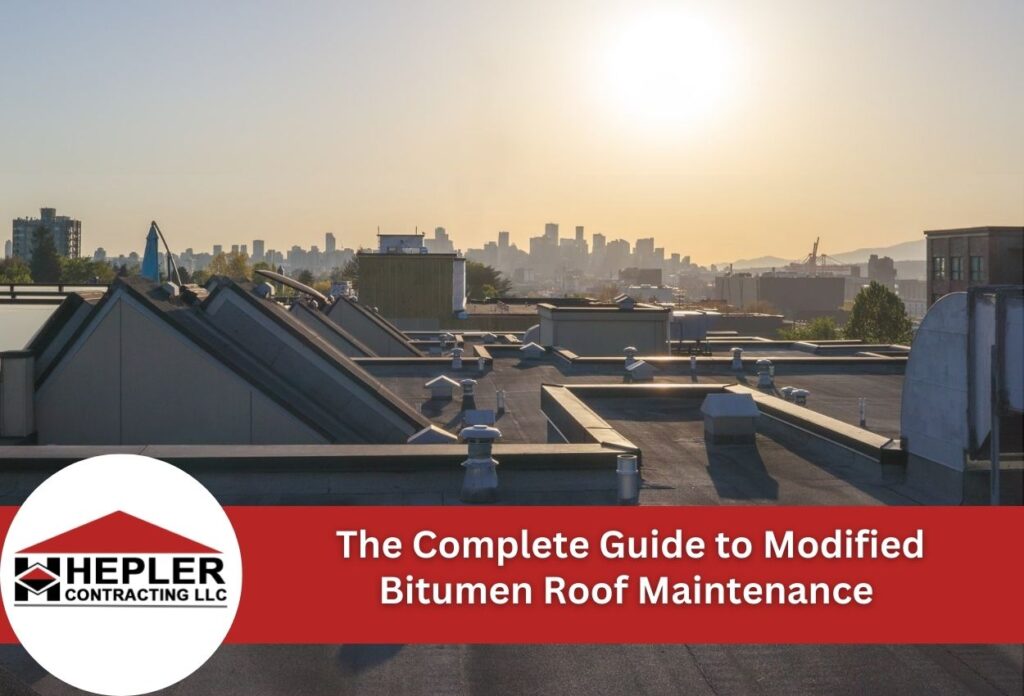
Modified bitumen roofing systems are one of the most reliable flat roof solutions for commercial and residential properties across Pennsylvania. These advanced roofing systems combine traditional asphalt with modern polymer modifiers, creating a durable surface that withstands the state’s challenging weather conditions. Pennsylvania’s temperature fluctuations, heavy snowfall, and seasonal freeze-thaw cycles can easily compromise the roof’s integrity without proper care.
Understanding the specific maintenance requirements for modified bitumen systems is essential for protecting your investment. These roofing systems require specialized knowledge of roof coating techniques and repair methods. Pennsylvania’s weather patterns mean consistent attention is needed to membrane seams, drainage systems, and surface conditions to maintain the roof and prevent water infiltration that could damage the underlying structure.
In general, property owners who invest in proactive modified bitumen roof maintenance can significantly extend their roof’s lifespan while avoiding expensive emergency repairs. Commercial roof inspections can identify potential vulnerabilities before they become major system disasters, saving property owners time and money over the roof’s service life.
Essential Maintenance Tasks Throughout Pennsylvania’s Four Seasons
In Pennsylvania, different maintenance approaches are needed depending on the season. Each season comes with changing weather conditions that can stress modified bitumen roofs, causing significant damage over time.
Spring and summer maintenance activities focus on recovery from winter. Debris removal is critical as melting snow and spring storms deposit leaves, branches, and other materials that can clog drainage systems. Professional commercial roof inspections during these months help identify membrane damage, such as cracking, blistering, or separation, caused by freeze-thaw cycles. Along with visual assessments, cleaning gutters and drains ensures proper water flow, preventing pooling that can compromise the flat roof.
Fall and winter preparation requires comprehensive weatherproofing assessments. Seam inspections are essential as temperature fluctuations can cause expansion and contraction in modified bitumen systems. Contractors can also evaluate whether a roof coating application is necessary to enhance weather resistance before snow arrives. Snow load preparation involves checking structural support and verifying that drainage paths are clear. Modified bitumen roof repair work should be completed before freezing temperatures make materials difficult to work with. These seasonal maintenance strategies help commercial properties withstand Pennsylvania’s challenging weather conditions while maintaining roof performance throughout the year.
Common Problems That Plague Modified Bitumen Roofs
Modified bitumen roof systems face many challenges throughout the year. Understanding these common issues helps property owners recognize when professional intervention becomes necessary for their commercial roofing investment.
Weather-related damage is a frequent concern for modified bitumen roofs in the region. Thermal shock cracks develop when rapid temperature changes cause the membrane to expand and contract quickly. Pennsylvania’s freeze-thaw cycles create particularly damaging conditions as ice forces membrane materials apart, leading to splits and tears. Membrane shrinkage may occur during prolonged cold periods, causing the roofing material to pull away from edges and penetrations. Granule loss often becomes evident after severe weather, leaving the underlying membrane exposed to UV damage and accelerated deterioration.
Additionally, structural problems develop gradually but can cause significant damage if left unaddressed. Ponding water creates the most serious long-term threat to flat roofs, as standing water gradually breaks down membrane bonds and creates entry points for moisture. Similarly, seam separations occur when adhesive bonds weaken due to temperature stress or moisture intrusion, while blister formation happens when trapped moisture or air creates bubbles beneath the membrane surface. These issues require prompt modified bitumen roof repair to prevent extensive damage that could compromise the entire roofing system.
Professional Inspection Protocols That Maximize Roof Performance
Professional commercial roof inspections provide in-depth evaluations that spot potential issues before they need extensive repairs. Qualified contractors conduct assessments that examine every component of modified bitumen roof systems to ensure they can withstand Pittsburgh’s sometimes severe weather.
The membrane condition assessment is often the first part of thorough roof evaluations. Inspectors examine the roof for surface cracking, blistering, punctures, and seam separation. They identify areas where granule loss has occurred and assess membrane adhesion to the substrate. A UV damage evaluation helps determine whether roof coating application might extend system life. Thermal imaging technology often reveals moisture intrusion that visual inspection might miss, allowing contractors to exactly locate areas that need modified bitumen roof repair before damage spreads.
Flashing and drainage system analysis completes the inspection process. Contractors examine all penetrations, edges, and transitions where flashing protects vulnerable areas. They verify that drainage systems function properly, checking gutters, downspouts, and roof drains for blockages or damage that could lead to ponding water issues.
Effective flat roof maintenance requires annual inspections with additional evaluations following major storms. Inspection documentation should include detailed reports with photographs, material conditions, and repair recommendations. This helps property owners track deterioration patterns, budget for necessary maintenance, and make informed decisions about their commercial roofing investments.
Repair Techniques That Restore Modified Bitumen Roofs
Effective repair techniques for modified bitumen roofing systems require specific materials and application methods to restore membrane integrity. Professional contractors utilize different approaches based on damage severity and location to create long-lasting repairs that maintain system performance.
Minor repair methods address localized damage through targeted interventions. Small punctures and tears can be patched using compatible bitumen membrane materials that bond seamlessly with existing surfaces. Contractors clean damaged areas thoroughly before applying primer and installing patches that extend beyond damage perimeters. Loose seam repairs involve reactivating adhesive bonds through heat or installing additional membrane strips over separated areas. Surface-mounted repairs work effectively for granule loss and minor cracking, utilizing modified bitumen compounds that restore weather resistance without compromising membrane flexibility.
Major repair approaches become necessary when damage extends across large areas or affects structural components. Section replacement involves removing deteriorated membrane portions and installing new materials with properly sealed transitions to the existing roof. Full membrane overlays provide comprehensive solutions for widespread deterioration while avoiding the cost of complete system replacement. These overlays require thorough surface preparation and compatible material selection for proper adhesion. Structural repairs address substrate issues that compromise roof performance, including deck repairs and insulation replacement. Professional modified bitumen roof repair contractors can restore complete system integrity while maintaining warranty coverage and compliance with industry standards.
Protective Coatings That Enhance Roof Longevity
Protective coating systems are an effective method for extending the lifespan of modified bitumen roof systems while reducing energy costs. These specialized treatments create additional barriers against weather damage and UV degradation that commonly affect modified bitumen roofs in Pennsylvania’s variable climate.
Reflective coating options offer significant benefits for commercial properties seeking energy efficiency improvements. White elastomeric coatings reflect sunlight and reduce heat absorption, lowering cooling costs during summer months while protecting the underlying membrane from thermal stress. Acrylic-based coatings provide excellent flexibility and adhesion to modified bitumen surfaces, maintaining their protective qualities through temperature fluctuations. Silicone coatings excel in wet climates, offering superior moisture resistance and ponding water tolerance that is especially helpful in areas prone to standing water issues.
Application timing and surface preparation determine coating effectiveness and longevity. Surface cleaning removes dirt, debris, and loose granules that could prevent proper adhesion. Temperature and humidity conditions must fall within the manufacturer’s specifications during application to ensure complete curing. A primer may be necessary depending on membrane age and condition. Professional contractors evaluate each roof individually to determine the most suitable coating system and application method. When correctly applied, these protective treatments can extend membrane life by several years while reducing the frequency of modified bitumen roof repair needs. Regular commercial roof inspections help monitor coating condition and determine when reapplication is necessary to maintain protection.
Selecting Qualified Maintenance Professionals in the Pittsburgh Region
Choosing the right contractor for modified bitumen roof maintenance in PA requires evaluating credentials, experience, and service capabilities. Professional roofing contractors should possess specific qualifications that demonstrate their expertise in handling complex commercial roofing systems.
Essential credentials include comprehensive liability insurance and workers’ compensation coverage. Manufacturer certifications from leading roofing manufacturers indicate specialized training in installation and repair techniques. Specific industry memberships and safety certifications demonstrate commitment to industry standards and best practices, while bonding provides additional protection for commercial property investments, ensuring project completion and quality workmanship.
Asking questions helps property owners evaluate contractor capabilities and experience levels:
- Inquire about specific experience with modified bitumen systems, including years of service and examples of completed projects.
- Ask about emergency response protocols and availability during severe weather that commonly damages Pennsylvania properties.
- Request details about maintenance programs, including inspection frequency and preventive care schedules.
- Verify insurance coverage amounts and expiration dates to ensure adequate protection.
- Ask about warranty terms for both materials and labor, including coverage duration and claim procedures.
- Look at references from similar commercial properties to gauge the contractor’s performance and reliability.
Qualified professionals readily provide documentation of their credentials and maintain transparent communication throughout the evaluation process. This thorough vetting process ensures you choose contractors capable of delivering quality flat roof maintenance and inspection services.
Expert Modified Bitumen Roof Maintenance in PA
Keeping your modified bitumen roof in peak condition requires professional attention. At Hepler Contracting LLC, we specialize in comprehensive roof maintenance that prevents expensive damage and extends the life of your roofing system. Whether you need routine inspections, emergency repairs, or protective coating applications, our team is equipped with the expertise and tools to keep your roof performing its best.
Don’t wait for the harsh Pennsylvania weather to tell you it’s too late. Regular maintenance by professional contractors like Hepler Contracting LLC can save you from unexpected expenses and extend the lifespan of your roof. Call us today at (412) 694-8785 to schedule a consultation and make sure your roof is ready for every season.