 Pay Online

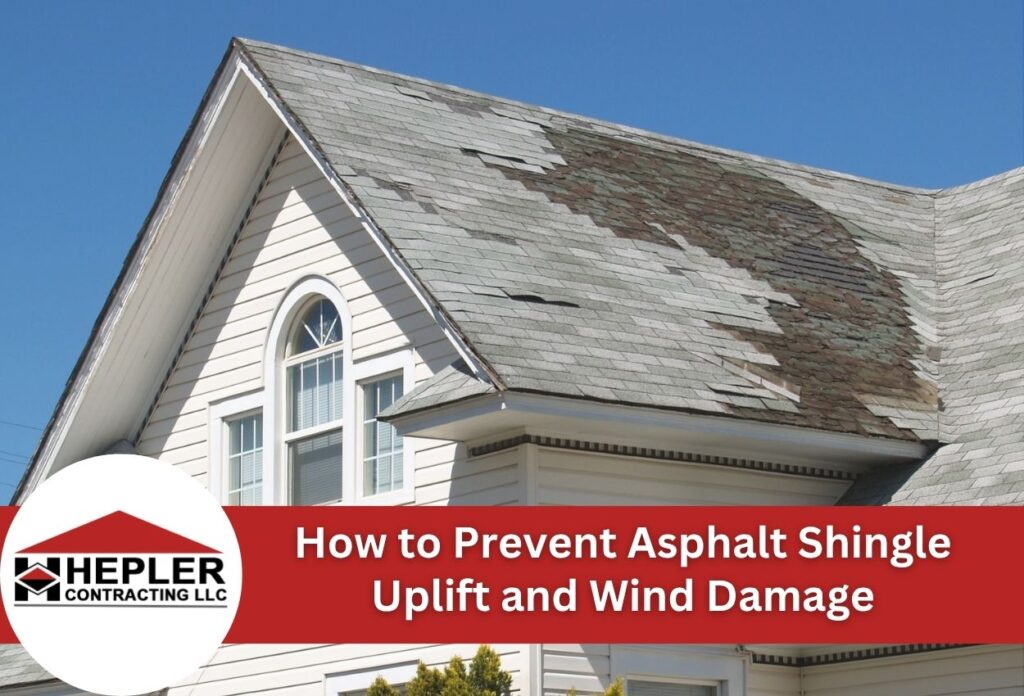
Strong winds can turn your roof shingles into flying hazards, leaving your home exposed to water damage and needing major repairs. When storms hit, asphalt shingles often lift, curl, or blow away completely because many homeowners don’t realize how vulnerable their roofs actually are to wind damage.
Understanding why shingles fail during storms is the first step in preventing asphalt shingle uplift. Wind creates suction forces that pull at loose or improperly installed shingles, especially along roof edges and corners where air pressure changes dramatically. Age, poor installation, and inadequate fastening make shingles even more susceptible to storm damage.
Asphalt shingle wind resistance depends on several key factors that homeowners can control. Proper shingle installation techniques, adequate fastening methods, and roof ventilation all help keep shingles secure during severe weather. Even small improvements to these areas can significantly reduce the risk of storm damage.
By addressing common weak points before storms arrive, homeowners can maintain strong shingle adhesive bonds and ensure their roof systems perform as designed when wind speeds increase.
Warning Signs Your Shingles Are at Risk
Identifying shingle problems early helps homeowners prevent asphalt shingle uplift during severe storms. Several visible and subtle indicators reveal when shingles are becoming vulnerable to wind damage, and an inspection from ground level often reveals the most obvious warning signs.
- Curling or lifting shingle edges indicates weakened adhesive bonds that compromise wind resistance.
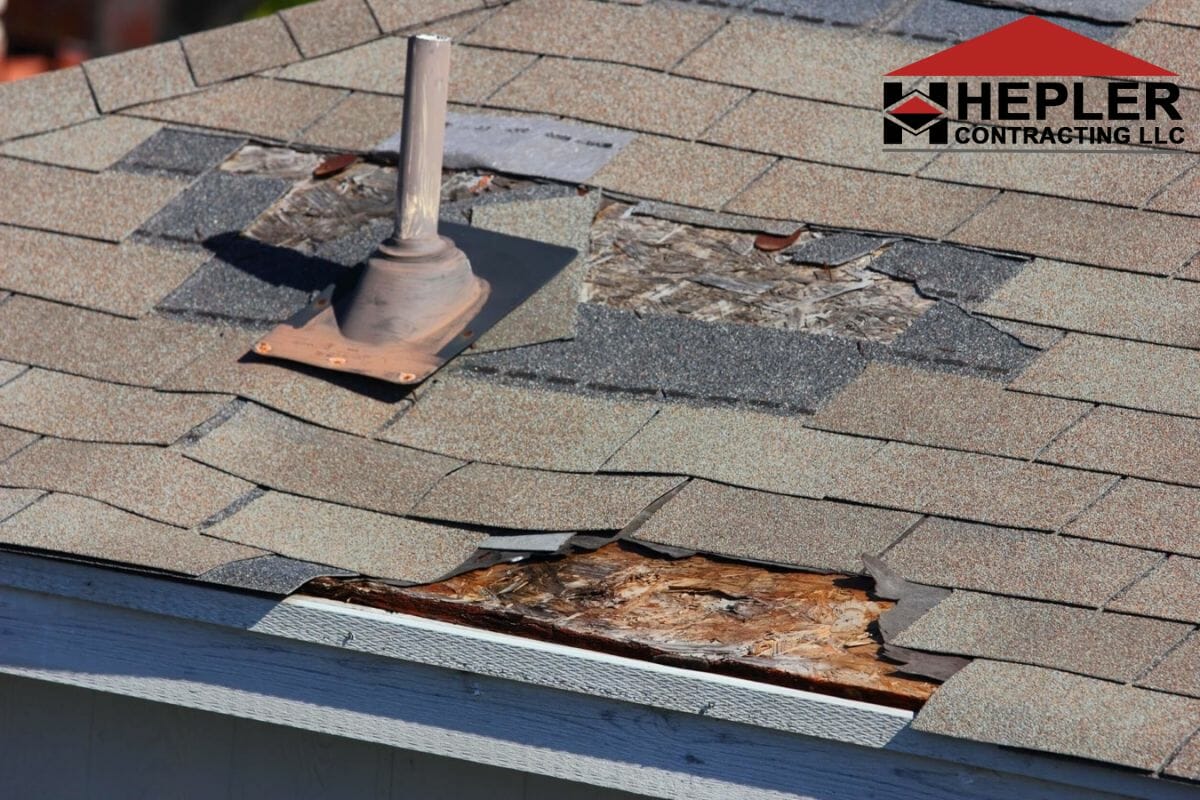
- Missing granules create dark patches on shingles, while cracked or torn sections suggest the material is deteriorating.
- Shingles that appear wavy or buckled signal underlying problems with installation techniques or deck issues.
Interior warning signs often appear before exterior damage becomes visible.
- Unexplained drafts in upper floors may indicate loose shingles allowing air infiltration.
- Small water stains on ceilings or walls suggest compromised shingle adhesive and fastening methods.
- Increased energy bills can result from poor roof ventilation and shingle uplift.
Additionally, after storms, check gutters for excessive granule accumulation, which indicates shingle surface wear that reduces wind resistance. Look for displaced or missing shingles, especially around roof edges, vents, and chimneys where wind forces concentrate. These areas typically show the first signs of failure during severe weather.
Addressing these warning signs promptly prevents them from escalating and requiring expensive roof replacements during the next severe weather event.
Installation Methods That Prevent Wind Damage
Professional installation techniques are the foundation of asphalt shingle wind resistance and long-term roof performance. Correct nail placement directly impacts how well shingles withstand storm conditions, with each fastener serving as a critical anchor point against uplift.
Proper shingle installation techniques include driving nails flush with shingle surfaces without overdriving or underdriving. Nails placed too high or too low on shingles create weak points where wind can lift individual pieces. Each shingle typically requires four to six nails positioned in specific zones to distribute wind loads evenly across the material. Using corrosion-resistant nails with adequate length ensures fasteners maintain their holding power through multiple weather cycles.
Quality adhesive strips between shingle layers create secondary protection against storm damage. These thermally activated seals bond adjacent shingles together when heated by sunlight, forming continuous barriers against wind infiltration. Shingle adhesive and fastening methods work together to keep the material in place, no matter the weather conditions.
Proper installation also addresses roof ventilation and shingle uplift by ensuring adequate airflow beneath the roof decking. Balanced ventilation systems reduce pressure differentials that contribute to shingle lifting during storms. Professional contractors understand how these elements interact to prevent asphalt shingle uplift and can address multiple failure modes simultaneously.
Why Roof Airflow Matters for Shingle Stability
As mentioned in the last section, proper roof ventilation plays a critical role in preventing wind damage by controlling attic temperatures that can destabilize shingles during storms. When attic spaces lack adequate ventilation, trapped air heats up and causes shingles to curl, making them more susceptible to uplift forces from external wind.
Hot, stagnant air trapped in poorly ventilated attics causes roof decking and shingles to expand, weakening the roofing system from below. This internal pressure, combined with external wind suction, creates the perfect conditions for roof shingle storm damage. Sufficient airflow eliminates this heat buildup, allowing shingles to maintain better contact with the roof surface.
Understanding the relationship between roof ventilation and shingle damage helps homeowners recognize why their new roof installation project must include adequate ventilation to prevent asphalt shingle uplift.
The Importance of Choosing Wind-Resistant Shingles
The shingles you choose impact your roof’s ability to withstand harsh weather. Modern manufacturers produce asphalt shingles specifically engineered to resist wind uplift through improved materials and construction methods that outperform standard residential roofing products.
Key features that enhance asphalt shingle wind resistance include reinforced mat construction, advanced adhesives, and specialized edge designs. Fiberglass-reinforced shingles offer superior strength compared to organic mat alternatives, while enhanced adhesive strips create stronger bonds between layers. Premium shingles also often feature wider adhesive zones and multiple seal points that distribute wind forces more effectively across the entire shingle surface.
Wind rating specifications provide measurable standards for comparing different shingle products. Most quality shingles carry wind resistance ratings between 110 MPH and 130 MPH, with some premium products rated for speeds exceeding 150 MPH. These ratings reflect laboratory testing under controlled conditions, helping homeowners select materials appropriate for their local climate.
Architectural shingles typically demonstrate better wind resistance than 3-tab options due to their increased thickness and weight. The additional material creates more surface area for installation while providing enhanced adhesive and fastening. Heavier shingles also resist initial wind uplift forces more effectively, preventing storm damage through superior material selection.
Regular Maintenance to Keep Shingles Secure
Maintaining shingle integrity through routine inspections and preventive care significantly reduces the likelihood of wind damage. Regular maintenance allows homeowners to take care of minor issues before they compromise the roof’s ability to resist future storms.
Seasonal inspections should focus on areas most susceptible to wind damage. Spring inspections help identify winter damage while fall checks prepare roofs for upcoming storm seasons. Key inspection points include examining shingle edges for curling or lifting, checking exposed nail heads for rust or backing out, and verifying that gutters remain securely attached and free of excessive granule accumulation. Pay extra attention to roof vents, valleys, and edges where wind forces typically concentrate and cause initial failure points.
Simple maintenance tasks can extend shingle life and maintain their wind resistance.
- Replacing missing or damaged individual shingles prevents water infiltration that weakens surrounding materials.
- Applying roof sealant around flashing and penetrations maintains weatherproof barriers that support overall roof integrity.
- Cleaning debris from gutters and roof surfaces prevents water backup that can compromise shingle adhesives over time.
Addressing minor roof issues as soon as they’re noticed prevents them from developing into complete roof failures. These small investments in regular upkeep protect the larger investment in proper shingle installation while maintaining roof ventilation and shingle uplift resistance.
When to Call Professional Roofers for Help
Recognizing when shingle problems exceed homeowner capabilities prevents major structural damage during severe weather events. Certain situations require a professional evaluation to accurately assess the roof’s condition and implement effective solutions that prevent asphalt shingle uplift.
Complex structural problems always need expert intervention. Multiple missing shingles, extensive granule loss across large roof sections, or sagging areas indicate underlying deck damage that requires professional assessment. When shingles consistently fail despite apparent correct installation, hidden ventilation problems or inadequate fastening may be compromising the entire system. Professional contractors have the tools and experience to diagnose root causes rather than treating surface symptoms.
Safety considerations make professional installation essential for steep roofs, multi-story homes, or extensive repair projects. Proper shingle installation techniques require specific knowledge of local building codes, manufacturer specifications, and weather-appropriate materials. Professional roofers also understand how roof ventilation and shingle uplift interact with local weather conditions, ensuring repairs address all contributing factors rather than temporary fixes.
Investing in professional maintenance and installation services extends roof life significantly beyond DIY approaches. Licensed contractors often provide warranty coverage on both materials and labor, while their expertise in shingle adhesive and fastening methods ensures repairs meet manufacturer specifications. Professionals often incorporate comprehensive approaches that address multiple failure points simultaneously, providing long-term protection against severe weather.
Protect Your Shingles with Hepler Contracting LLC
If you’ve noticed any of the warning signs that your shingles may be at risk of wind damage, don’t wait for the problem to worsen. Protecting your roof from damage is crucial, and Hepler Contracting LLC is here to help. Our team specializes in preventing asphalt shingle uplift and ensuring your roof is equipped to handle even the toughest storms. With proper shingle installation techniques and regular maintenance, we can secure your home against future damage.
Don’t compromise on the safety of your home. Call Hepler Contracting LLC today at (412) 694-8785 to schedule a professional roof inspection or to discuss our wind-resistant shingle options. Let us help you maintain a stable and secure roof over your head.