 Pay Online

Repairing Animal Roof Damage: How to Fix Wildlife Destruction on Your Home
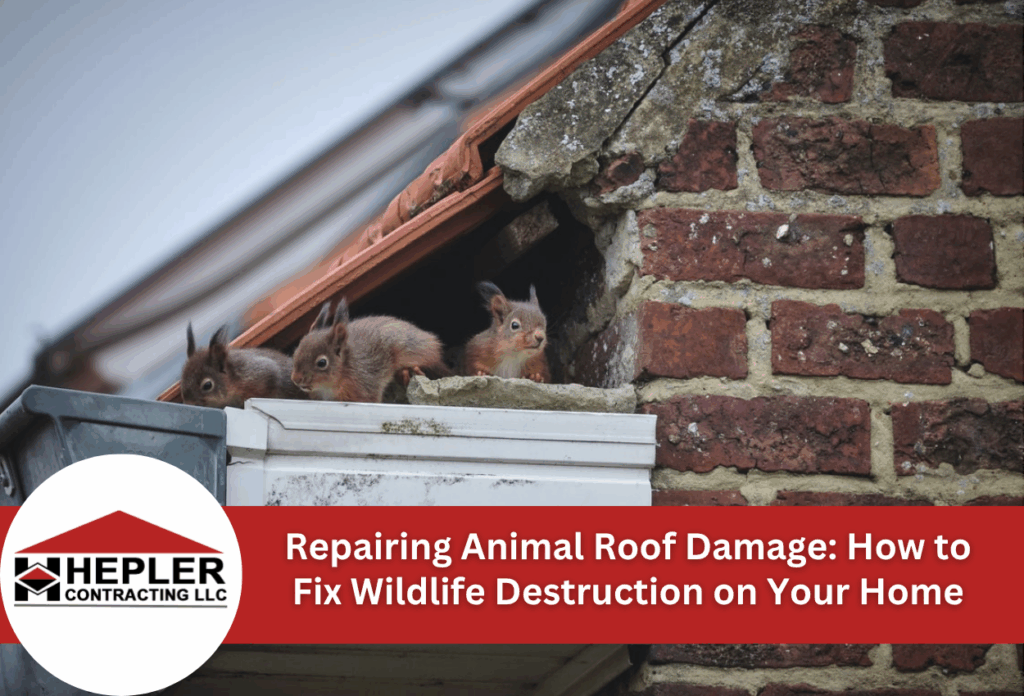
When Pittsburgh homeowners discover torn shingles, displaced roofing materials, or strange noises coming from above, wildlife may be the culprit. Animals like squirrels, raccoons, and birds can cause significant roof damage that, if left unfixed, can lead to expensive structural issues and interior water damage. These unwanted visitors don’t just create entry points, they can tear through underlayment, chew on wooden supports, and build nests that block important drainage systems.
Identifying wildlife roof damage early is key to preventing extensive repairs. Squirrels typically leave behind gnawed edges and small entry holes, while raccoons create larger openings with torn shingles and damaged vents. Birds might dislodge shingle granules and build nests in gutters that trap moisture against roofing materials. Different types of animals leave distinctive signs that experienced roofing contractors can quickly recognize.
The roof restoration process after animal damage involves a few important steps: thorough inspection, removal of the animals, temporary protection measures, and permanent repairs. Professional roof repair following wildlife intrusion should address the visible damage but also potential hidden issues like contaminated insulation or compromised structural elements. With proper assessment and restoration techniques specific to animal-related problems, homeowners can restore their roof’s integrity and prevent future infestations.
Identifying Common Signs of Animal Roof Damage
Pittsburgh homeowners should regularly inspect their roofs for telltale signs of wildlife intrusion. Visual indicators often include torn or displaced shingles, scratched roofing materials, and damaged roof vents. Look for holes approximately 1 to 2 inches in diameter, which typically mean squirrels, while larger openings with bent flashing or torn roof edges could be from raccoons. Missing granules, disturbed roof valleys, and compromised ridge caps also point to signs of wildlife roof damage that require immediate attention.
Beyond visible exterior damage, secondary indicators can reveal animal infestations. Water stains appearing on ceilings or walls may signal that animals have created entry points allowing water into your home. Unusual scratching, scurrying, or thumping sounds from the attic, particularly at dawn or dusk, often indicate active wildlife presence. You might also notice accumulated debris, such as twigs, leaves, insulation fragments, or nesting materials in gutters or along rooflines, all strong evidence requiring professional attic animal removal and roof repair.
Regular roof inspections, especially after severe weather, help Pittsburgh homeowners catch wildlife damage early. Professional roofing contractors can thoroughly assess hard-to-reach areas and identify subtle signs of infestation before they become major structural issues requiring extensive roof restoration after animal infestation.
Squirrel Damage: Repair Techniques and Solutions
Squirrels are among the most common culprits of roof damage in Pittsburgh homes, particularly in neighborhoods with mature trees. These nimble rodents typically damage roofs by chewing through soffits, fascia boards, and even roof decking to gain access to warm, dry attic spaces. Effective squirrel roof damage repair begins with identifying all compromised areas, which often extend beyond the visible entry points.
When repairing squirrel-damaged eaves and fascia boards, a contractor’s approach involves removing the damaged sections completely rather than patching them. They replace compromised wooden components with new, high-quality materials treated with wildlife-resistant coatings. For damaged roof decking, a professional would carefully remove the affected shingles, replace the chewed or rotted sections of decking, and install new underlayment and shingles that match your existing roof.
Preventing recurring damage requires the reinforcement of vulnerable areas. Sealing all entry points using heavy-gauge metal flashing or hardware cloth secured with roofing screws, not staples, which squirrels can easily remove. Roof junctions, vents, and chimney areas receive special attention with custom-fitted barriers. For Pittsburgh homes with overhanging tree branches, it is recommended to perform selective pruning to eliminate “squirrel highways” that provide easy roof access.
Raccoon Roof Damage: Comprehensive Repair Strategies
Raccoons cause some of the most severe wildlife roof damage Pittsburgh homeowners face. Unlike smaller animals, these intelligent creatures can tear away shingles, rip open soffit vents, and create large access holes at roof joints and edges. Their powerful claws allow them to pry up flashing and pull apart roof components, creating openings that lead to serious water intrusion and structural deterioration. Repairing raccoon roof damage requires specialized techniques addressing both the visible destruction and hidden concerns.
Professional raccoon damage repair typically begins with structural restoration. Contractors replace torn shingles, repair compromised decking, and restore damaged roof joints using commercial-grade materials that match your existing roof. They should pay special attention to vent repairs, installing heavy-duty replacements with reinforced screening that prevents future animal entry while maintaining proper attic ventilation.
The sanitization phase is equally important for raccoon roof damage repair. Raccoons often leave behind waste that carries bacteria and parasites, requiring thorough decontamination of affected areas. Most roofing contractors won’t handle the animal-based cleanup necessary after your roof is repaired, so a qualified biohazard removal team will need to come in and deal with the waste. This is really important so that you and your family are not exposed to potential bacteria, viruses, or parasites. The secondary team you call in should use professional-grade sanitizing agents to neutralize contaminants in the roof structure and adjacent attic spaces. All contaminated insulation should be removed and replaced with fresh materials to eliminate odors that might attract new wildlife. This approach to roof restoration after animal infestation ensures both the structural integrity of your roof and the health and safety of your home and loved ones.
Safe Wildlife Removal Before Roof Repairs
Before any roof repair work can begin after animal damage, proper wildlife removal is essential. Pennsylvania wildlife regulations protect many species that commonly invade Pittsburgh homes, making it illegal to handle, trap, or relocate certain animals without proper licensing. These laws require humane treatment of wildlife, even when they’ve damaged your property, and violations can result in significant penalties.
Professional wildlife removal specialists use exclusion techniques that safely remove animals without causing harm. These methods include one-way doors that allow animals to exit but not return, humane trapping systems for larger pests, and careful removal of young animals when present. During nesting seasons, specialists take extra precautions to ensure baby animals aren’t separated from their mothers, sometimes delaying full exclusion until young are mature enough to leave.
Coordination between wildlife specialists and roofing contractors is important for a successful roof restoration after animal infestation. Once animals are removed, certified wildlife technicians can identify all entry points and potential vulnerabilities before roofers begin repairs. This approach makes sure that temporary protective measures remain in place until permanent repairs can be completed. Pittsburgh homeowners benefit from this partnership with solutions that address both the immediate animal intrusion and the underlying roof vulnerabilities that allowed access in the first place.
Preventative Measures to Protect Your Roof from Future Animal Damage
After repairing animal damage to your roof, implementing preventative measures is essential to avoid recurring problems. Pittsburgh homes are particularly vulnerable to wildlife intrusions due to the region’s abundant tree coverage and diverse animal population. Modifications to your roof can significantly reduce the risk of future damage while preserving your home’s curb appeal and structural integrity.
Installing animal-resistant materials begins with reinforcing vulnerable entry points. Metal flashing applied around chimneys, vents, and roof edges creates a barrier that animals cannot chew through. Specialized vent covers with heavy-gauge steel screening prevent wildlife access while maintaining proper ventilation. For homes with recurring squirrel problems, consider installing drip edge guards along the roofline to block their typical entry routes. Raccoon roof damage prevention often calls for additional reinforcement at roof joints and gable vents, areas these strong animals frequently target.
Seasonal maintenance is your best defense against wildlife intrusions. Schedule professional roof inspections twice a year, once in the fall before animals seek winter shelter, and again in the spring to address any damage from winter weather. During these inspections, focus on cleaning gutters, trimming overhanging branches at least six feet from your roofline, and checking for loose or damaged roofing materials that might provide entry points. This approach to wildlife roof damage prevention saves homeowners significant repair costs while extending the lifespan of their roofing systems.
Professional vs. DIY Roof Repairs After Animal Damage
When facing animal roof damage, Pittsburgh homeowners often wonder whether to call professionals or attempt repairs themselves. Professional intervention is absolutely necessary when structural integrity is compromised. Signs include sagging roof sections, damaged rafters, or extensive water damage. Wildlife damage that affects multiple roofing layers or covers large areas should always be handled by certified roofing contractors who understand the nature of animal-related repairs.
Additionally, if you suspect active wildlife presence, professional wildlife removal specialists should be consulted before any repair work begins. They have the proper equipment and permits to safely and legally remove animals like raccoons or squirrels without violating Pennsylvania wildlife protection laws. Professional roofers can then perform complete inspections to identify all damaged areas, including hidden problems like contaminated insulation or compromised decking that DIY approaches might miss.
After the animals have been removed, it is equally important to have a cleanup team look over the area and apply the necessary measures to help protect the health of you and your loved ones. All animals, not just raccoons, can carry diseases, parasites, or irritants on them and in their droppings and urine. When these are exposed to humans, they can cause bacterial or viral infection, irritate asthma or allergies, and possibly spread parasites. Squirrels can carry leptospirosis, a disease that can be fatal in some cases. While not normally considered carriers, birds can bring ticks into your home that could find their way to you, your pets, or your loved ones.
For temporary DIY solutions while awaiting professional help, homeowners can implement emergency measures to prevent further damage. Use heavy-duty tarps secured with non-damaging fasteners to cover damaged areas during rainy weather. Seal small openings with steel wool (which animals cannot chew through) and expandable foam to discourage re-entry. Document all damage with photos for insurance purposes, but avoid placing yourself at risk on steep or unstable roofing surfaces. These temporary measures can minimize additional damage until professional roof restoration specialists can implement permanent solutions.
Need Help with Your Animal-Damaged Roof Repairs? Give Hepler a Call!
When wildlife turns your roof into their playground, the damage can be significant. If you’re noticing signs of animal damage such as torn shingles, displaced flashing, or unusual attic noises, it’s important to address these issues quickly to maintain the integrity of your home. Hepler Contracting LLC specializes in repairing roofs that have been compromised by local wildlife, including squirrels, raccoons, and birds. Our team provides assessments, temporary protections, and permanent restoration solutions tailored to the specific challenges posed by these animals.
Don’t let wildlife damage compromise the comfort of your home. For a professional consultation or to schedule a roof repair, call Hepler Contracting LLC today at (412) 694-8785.