
 Pay Online

What Are SIPs in Construction?: A Guide to Structural Insulated Panels
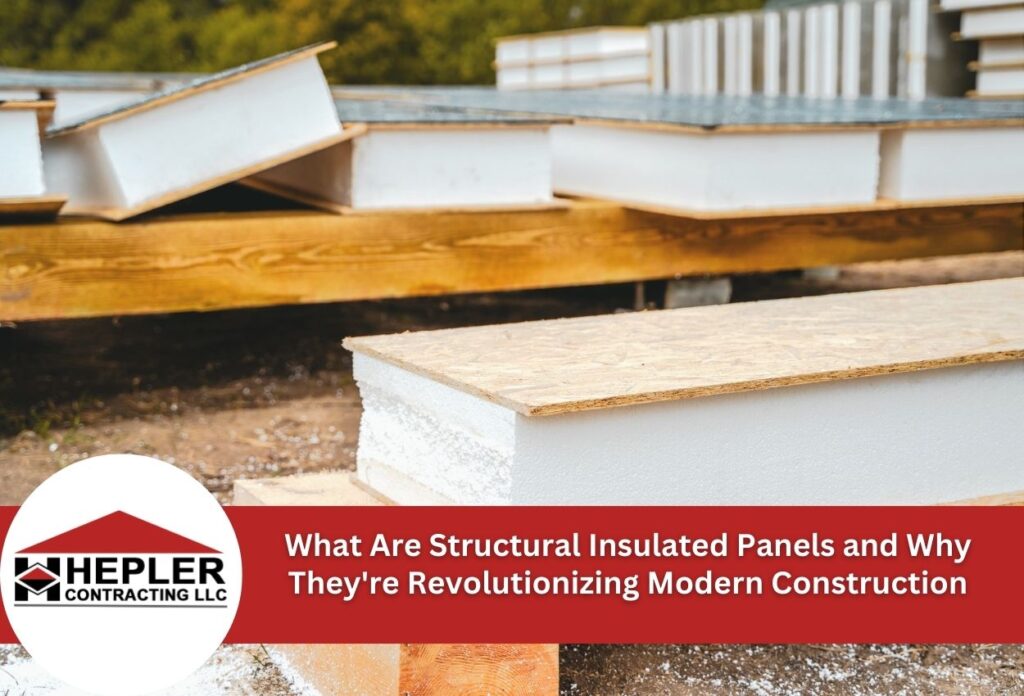
Structural insulated panels, commonly known as SIPs, represent a cutting-edge building technology that combines structural strength with superior insulation in a single engineered product. These panels consist of a rigid foam core, typically made from expanded polystyrene or polyurethane, sandwiched between two structural facing materials such as OSB (oriented strand board) or plywood. This innovative SIP construction method creates a composite building element that serves as both the structural framework and insulation system simultaneously.
Traditional construction methods rely on separate framing lumber, insulation materials, and roof decking installed in multiple steps. SIPs streamline this process by integrating these components into one prefabricated panel. SIP simplifies installation, offering exceptional thermal performance, reduced air leaks, and faster construction timelines compared to conventional stick-frame building.
The energy-efficient building materials market has embraced SIPs for both residential and commercial applications. These panels excel in various building components like walls and floors. The SIP installation process requires specialized knowledge but delivers superior structural performance and energy efficiency. Modern construction increasingly favors these panels due to their ability to create high-performance insulation that meets energy codes while reducing labor costs and construction waste.
The Engineering Behind SIP Construction Technology
The sophisticated engineering of SIPs begins with carefully selected materials that work together to create exceptional performance. The core component consists of expanded polystyrene foam or polyurethane foam. This foam core gets sandwiched between two layers of OSB, creating a composite structure that eliminates thermal bridging common in traditional framing methods.
The manufacturing process bonds these materials under controlled pressure and temperature conditions, ensuring efficient adhesion between components. The OSB facing provides the structural capacity needed for load-bearing applications, while the foam core contributes to the panel’s overall strength through its composite action. This SIP construction method results in panels that can span greater distances than conventional framing while maintaining structural integrity.
Floor panels support standard residential and commercial live loads while providing excellent insulation between conditioned and unconditioned spaces. The benefits of SIPs become evident in roofing applications where panels span long distances without intermediate support, reducing material costs and installation complexity. The SIP installation process leverages these engineered properties to create high-performance building systems.
Key Advantages of SIPs in Building Projects
SIPs deliver exceptional thermal performance that surpasses conventional construction methods through continuous insulation and minimal thermal bridging. Unlike traditional stick-frame construction, where wood studs create thermal breaks, SIPs provide uninterrupted insulation from the rigid foam core. This energy-efficient approach reduces heat transfer by up to 50% compared to standard framing, resulting in lower utility bills and improved occupant comfort. The benefits of SIPs include consistent R-values across the entire panel surface without the thermal gaps common in batt insulation installations.
The SIP construction method significantly accelerates project timelines while reducing labor requirements on construction sites. Prefabricated panels arrive ready for installation, eliminating multiple trades typically needed for framing, insulating, and roof decking. This streamlined SIP installation process can reduce construction time by 30% to 55% compared to traditional building methods. Quality control improves dramatically since panels undergo factory manufacturing under controlled conditions, ensuring consistent dimensions and structural integrity.
Construction crews can install large wall sections and insulated panel roofing systems quickly using standard tools and equipment. The precise manufacturing tolerances create tighter building envelopes with fewer air leaks, reducing callbacks for comfort issues. Weather delays have decreased since the structural and insulation components are installed simultaneously, allowing projects to progress faster toward weather-tight conditions. These advantages make SIPs particularly valuable for roofing contractors managing multiple projects with tight schedules.
How SIPs Transform Roofing Systems and Energy Performance
When applied to roof construction, SIPs create a revolutionary approach that dramatically enhances the structure’s thermal envelope performance. These insulated panel roofing systems form a continuous thermal barrier across the entire roof structure, eliminating the bridging that occurs with conventional rafter and truss systems. The SIP construction method allows for cathedral ceilings and complex roof geometries while maintaining consistent insulation values throughout the assembly.
Roofing contractors increasingly recognize the benefits of SIPs in creating superior building envelopes. The panels span between structural supports without requiring additional insulation installation, reducing air infiltration points that compromise energy performance. This energy-efficient building materials approach creates R-values ranging from R-13 to R-52, depending on panel thickness and temperature, far exceeding standard roof assemblies with comparable depth.
The SIP installation process for roofing applications enables faster project completion while delivering exceptional long-term performance. Panels arrive pre-cut to specifications, reducing on-site waste and installation time. The continuous insulation barrier eliminates hot spots and cold spots that create comfort issues in traditionally constructed buildings.
Homeowners experience noticeable improvements to their indoor comfort through reduced temperature fluctuations and drafts. Energy savings typically range from 20% to 60% compared to conventional roofing systems, with the greatest benefits occurring in extreme weather conditions. The superior air sealing properties of insulated panel roofing systems reduce HVAC system cycling, extending equipment life while maintaining consistent indoor temperatures year-round.
The SIP Installation Process for Roofing Projects
Successfully implementing SIPs in roofing applications requires careful coordination between design professionals, manufacturers, and installation crews. The process begins with detailed architectural drawings that specify panel dimensions, connection details, and structural requirements. Engineers review these plans to ensure proper load paths and connection methods for the specific project conditions. Panel manufacturers use these approved drawings to fabricate custom panels with precise cutouts for electrical, plumbing, and mechanical systems.
Pre-construction planning involves coordinating delivery schedules with installation crews to reduce on-site storage requirements. Manufacturers typically provide detailed installation drawings showing panel sequence and connection details.
On-site assembly of insulated panel roofing systems begins with verifying that the structural framework meets design specifications for supporting panel loads. Installation crews use manufacturer-approved fasteners and sealants to create weathertight connections between panels. The SIP installation process includes continuous quality assurance checks to verify proper panel alignment, the torque values on connection fastening bolts, and sealant application on any exposed joints. Each connection point receives inspection to ensure structural integrity and thermal performance. The SIP benefits become evident as large roof sections install quickly while maintaining superior insulation continuity throughout the assembly.
Comparing SIPs to Traditional Roof Insulation Methods
When evaluating SIPs against conventional roofing methods, it’s easy to see the difference in performance compared to other materials’ thermal efficiency, air tightness, and structural capabilities. Traditional stick-frame construction with batt or blown-in insulation typically achieves R-values between R-19 and R-38, while SIPs deliver consistent R-values from R-13 to R-52 with no thermal bridging at a similar thickness. The energy-efficient building of SIP systems eliminates the 15% to 25% heat loss that occurs through wood framing in conventional construction.
Air tightness represents another advantage of the SIP construction method over traditional approaches. The benefits of SIPs include factory-controlled manufacturing that creates consistent joints and connections, reducing air leaks by up to 75% compared to site-built assemblies.
The structural strength comparison reveals that insulated panel roofing systems can span greater distances without intermediate support beams. Traditional construction requires closely spaced rafters or trusses every 16 to 24 inches, while SIP panels can span up to 24 feet long and 8 feet wide, depending on loading conditions. This structural capability reduces material costs and creates more open interior spaces.
The advantages of project timelines make the SIP installation process particularly attractive for roofing contractors managing tight schedules. A traditional roof requires the separate installation of framing, roof decking, insulation, and vapor barriers over several days with multiple crews. SIP systems combine these functions into single panels that are installed in one step, reducing roofing project timelines by 40% to 60% while eliminating weather delays between installation phases.
Is SIP Construction Right for Your Pittsburgh Area Building Project?
Pennsylvania’s climate presents unique challenges that make SIPs particularly well-suited for regional construction projects. The state experiences significant temperature swings from hot, humid summers to cold winters with frequent freeze-thaw cycles. This energy-efficient building material excels in these conditions by providing continuous insulation that reduces thermal stress on building components. The superior air sealing properties of SIPs prevent leaks that can lead to ice dam formation and structural damage common in traditional roofing systems.
Regional weather patterns, including heavy snow loads and severe storms, require robust structural performance that SIPs readily provide. The composite action of SIP creates superior load-bearing capacity compared to conventional framing, making it ideal for handling Pennsylvania’s shifting weather patterns. Winter heating costs decrease substantially when insulated panel roofing systems maintain consistent thermal performance despite extreme temperature fluctuations.
Working with qualified contractors familiar with the SIP installation process ensures compliance with local building codes and proper system performance. Pennsylvania building codes recognize the benefits of SIP, with many jurisdictions updating requirements to accommodate these advanced building systems. Local building officials typically require engineered drawings and certified installation procedures to approve SIP projects, making contractor selection important for a successful project completion. Roofing contractors specializing in these systems provide the expertise needed to navigate permit requirements while delivering superior building performance.
Discover How Hepler Contracting LLC Can Enhance Your Pittsburgh Home with SIPs
Are you considering a modern, energy-efficient roofing solution for your home? Look no further than Hepler Contracting LLC, your local experts in SIP construction. SIPs offer significant advantages over traditional construction methods, including superior thermal efficiency, exceptional air tightness, and robust structural strength that stands up to the demanding Pennsylvania climate.
With Hepler Contracting LLC, you gain access to skilled professionals who understand the intricacies of SIP installation, ensuring that your project meets all local building codes and exceeds expectations.
Don’t wait to transform your home’s energy performance and comfort. Call Hepler Contracting LLC today at (412) 694-8785 to discuss your roofing project and how SIPs can make a difference.