 Pay Online

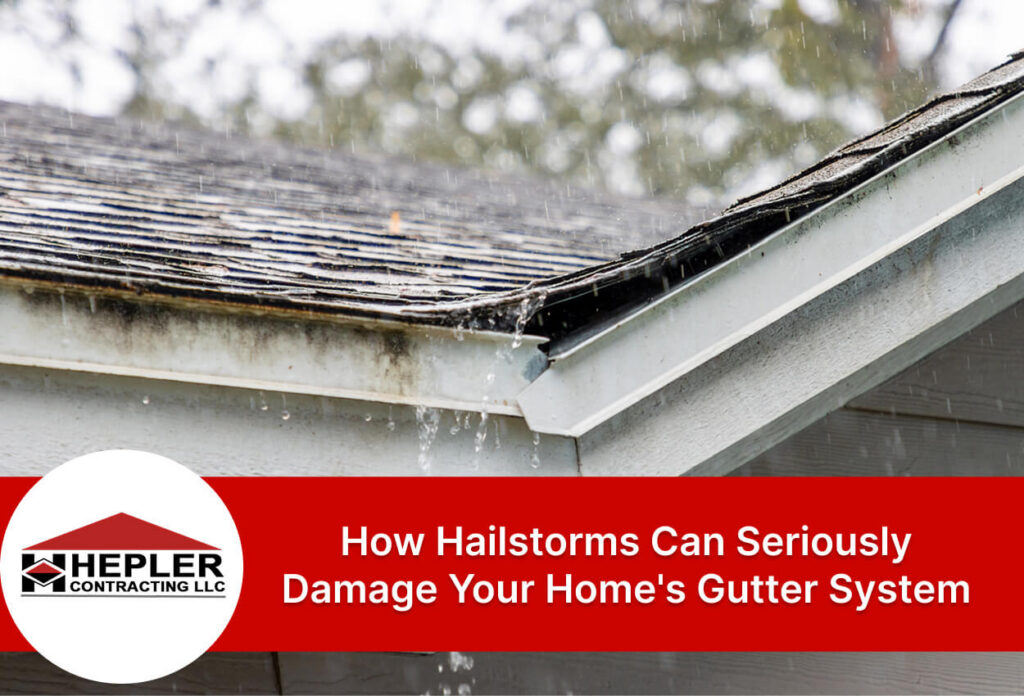
Hail damage to gutter systems represents one of the most overlooked yet expensive consequences of severe weather. When ice pellets form in thunderstorms and grow large enough to survive their fall to earth, they can strike residential gutters with tremendous force, causing immediate and long-term structural problems.
Understanding how hail forms explains why these frozen projectiles pose such a significant threat to home exteriors. During intense storms, water droplets get caught in powerful updrafts, freezing and accumulating layers of ice as they bounce up and down in the atmosphere. The stronger the storm, the larger the hailstones become before gravity finally pulls them earthward.
Aluminum, vinyl, and steel gutters each respond differently when hailstones strike their surfaces. The impact can create dents, cracks, loose joints, and displaced sections that compromise the entire drainage system. Signs of hail-damaged gutters often include visible dents along the gutter channels, separated seams, and paint chips that expose bare metal to rust formation.
Property owners frequently underestimate the severity of gutter system hail damage because the effects may not become apparent until water begins pooling around the foundation or backing up during the next rainfall. Recognizing these warning signs early prevents minor storm damage from escalating into major structural repairs.
Recognizing the Warning Signs of Hail Damage on Your Gutters
Identifying signs of hail-damaged gutters requires careful observation from multiple vantage points around your property. Visual indicators often become apparent when examining gutter channels from ground level, where homeowners can spot obvious dents, cracks, and separated joints between sections. These physical markers typically appear as small circular impressions along the gutter face or bottom, particularly noticeable on aluminum systems where the metal shows permanent deformation.
Performance issues frequently reveal hidden damage that visual inspection might miss. Improper water flow during rainfall suggests internal structural problems, while leaking joints indicate separated seams or cracked connections. Sagging gutter sections signal potential bracket damage or compromised mounting hardware that occurred during hail impact. Paint chips and exposed metal surfaces create additional concerns beyond immediate functionality problems.
When hail damage gutter repair becomes necessary, addressing these cosmetic issues prevents rust formation and extends system longevity. Homeowners should watch for water staining on exterior walls, foundation pooling, and overflow during moderate precipitation as indicators of compromised drainage capacity.
Professional assessment becomes essential when multiple warning signs appear simultaneously. Gutter system hail protection depends on early detection and prompt repair of storm-related damage. Property owners who recognize these symptoms can prevent minor issues from requiring complete gutter replacement after future hailstorms compromise already weakened systems.
How Hail Size and Storm Intensity Affect Gutter Damage Severity
The size of hailstones directly correlates with the extent of damage inflicted on gutter systems. Pea-sized hail, measuring approximately ¼ inch in diameter, typically creates minor surface scratches and small dents on aluminum gutters but rarely compromises structural integrity. Marble-sized stones, reaching ½-inch across, begin causing noticeable denting and can loosen gutter brackets or hangers.
Golf ball-sized hailstones, measuring 1 ¾ inches across, deliver devastating impacts that crack vinyl gutters, severely dent metal systems, and separate joints between sections. These larger stones carry enough force to puncture gutter bottoms and damage downspouts beyond repair. When hail reaches tennis ball size or larger, complete gutter replacement often becomes necessary rather than attempting isolated repairs.
Storm intensity factors beyond hail size significantly influence damage severity. Strong horizontal winds drive hailstones into gutters at sharp angles, creating jagged tears and twisted sections that straight-down impacts cannot produce. Extended storm duration increases the likelihood of repeated strikes on the same gutter areas, compounding initial damage through successive impacts.
Wind direction plays a crucial role in determining which sections of the gutter system sustain the heaviest damage. Storms approaching from specific angles can concentrate hail impacts on different styles of roofs, which can overwhelm gutters with both direct strikes and accumulated ice debris. Understanding these variables helps property owners assess whether to replace gutters after a hailstorm or pursue targeted hail damage gutter repair for less severely affected sections.
The Hidden Consequences of Ignoring Hail-Damaged Gutters
When hail-damaged gutters remain unaddressed, the resulting water damage risks extend far beyond the gutter system itself. Compromised drainage allows water to overflow and pool against foundation walls, creating hydrostatic pressure that can cause basement flooding and structural settling. These leaks weaken concrete and masonry over time, leading to expensive foundation repairs that far exceed initial gutter restoration expenses.
Siding materials suffer significant damage when gutters fail to channel water properly away from exterior walls. Wood siding develops rot and warping, while vinyl becomes brittle and cracks under constant moisture exposure. Metal siding experiences accelerated corrosion, and masonry surfaces develop efflorescence staining that permanently discolors building facades.
Landscaping elements positioned near the home’s perimeter face destruction from uncontrolled water discharge. Flower beds erode, shrubs become waterlogged, and established plantings die from root rot caused by excessive moisture. Hardscaping features like walkways and patios shift or crack when water undermines their foundation support.
Minor hail damage progressively gets worse through freeze-thaw cycles and additional weather exposure. Small cracks expand as trapped water freezes, while loosened joints separate during subsequent storms. What begins as manageable hail damage gutter repair evolves into a complete system failure requiring full replacement.
Professional Inspection vs. DIY Assessment After a Hailstorm
Homeowners attempting to inspect gutters themselves after hailstorms face significant safety risks and assessment limitations. Climbing ladders on wet or damaged surfaces increases the likelihood of falls and injuries, especially when storm debris remains scattered around the property. Many homeowners lack proper equipment to safely reach second-story gutters or examine systems from appropriate angles that reveal concealed damage.
DIY inspections often miss critical structural problems that trained contractors identify immediately. While homeowners typically notice obvious dents and separated sections, they rarely detect hairline cracks, compromised mounting brackets, or internal damage that affects water flow patterns. Professional contractors use specialized tools to measure proper gutter slope, test joint integrity, and assess whether existing damage will get worse during future bad weather.
Experienced contractors recognize subtle indicators that untrained eyes overlook completely. They examine gutter pitch accuracy, evaluate fascia board condition, and identify stress points where additional failures commonly occur. These professionals understand how different gutter materials respond to hail impacts and can predict which damaged sections require immediate attention versus components that might survive until scheduled replacement.
Professional assessments provide documentation necessary for insurance claims while ensuring accurate damage evaluation. Contractors familiar with the signs of hail-damaged gutters can determine whether targeted repairs suffice or if a complete replacement is necessary. Their expertise prevents homeowners from underestimating damage severity or attempting inadequate fixes that lead to recurring problems and additional expenses.
Repair Options and When Complete Gutter Replacement Becomes Necessary
Several repair techniques can address minor hail damage to gutter systems without requiring complete replacement. Small dents in aluminum gutters respond well to careful reshaping using specialized tools, while isolated cracks can receive effective patching with gutter sealant or metal patches. Realignment procedures restore proper water flow when sections shift during storms but remain structurally sound.
Section replacement becomes necessary when damage concentrates in specific areas while leaving other portions intact. This targeted approach proves cost-effective for gutters experiencing localized impact from falling tree limbs or concentrated hail strikes. Professional contractors can seamlessly integrate new sections with existing systems, maintaining a consistent appearance and functionality throughout the entire gutter network.
Complete gutter system replacement becomes unavoidable when damage affects multiple sections or compromises structural mounting points. Extensive denting across long stretches, separated joints at numerous connection points, and damaged fascia boards typically indicate that repairs cannot restore adequate performance. Systems showing rust formation from exposed metal or recurring leak problems often require full replacement regardless of the apparent damage scope.
Age factors significantly into the decision between doing a repair vs. a replacement following storm damage. Older gutter systems approaching their expected lifespan benefit more from complete replacement than temporary repairs that postpone inevitable failure. Property owners must weigh immediate hail damage gutter repair costs against long-term maintenance expenses when determining the most practical approach for their specific situation and budget considerations.
Protecting Your Gutters from Future Hail Damage
Implementing protective measures before severe weather arrives significantly reduces the likelihood that hailstorms will cause extensive gutter system damage. Gutter guard systems provide an additional layer of defense against hail impacts while maintaining proper water flow and debris management. These protective accessories deflect smaller hailstones and distribute impact forces across wider surface areas, minimizing concentrated damage on vulnerable gutter channels.
Material selection plays an important role in gutter system hail protection. Heavy-gauge steel gutters withstand hail impacts better than standard aluminum systems, while reinforced vinyl options offer improved durability over basic residential grades. Upgrading mounting hardware with stronger brackets and more frequent spacing creates additional structural support that helps gutters maintain proper positioning during severe storms.
Regular maintenance practices strengthen gutter systems before storm season arrives. Cleaning debris from channels ensures unobstructed water flow that reduces stress during heavy precipitation. Tightening loose brackets and replacing worn seals prevents minor issues from becoming major failure points when hailstones strike vulnerable areas.
Strategic landscaping modifications can reduce hail impact severity through natural protection methods. Properly positioned trees provide overhead canopy coverage that breaks up hailstone formations before they reach gutter systems. However, preventing hail damage to gutters requires balancing protective vegetation with adequate clearance to avoid branch damage during high winds. Property owners who combine these preventive strategies create comprehensive defense systems that minimize the need to replace gutters after a hailstorm while extending overall system longevity through proactive protection measures.
Expert Gutter Repair Services in Pittsburgh: Address Hail Damage Today!
Have recent hailstorms left your gutter system battered or broken? Don’t wait for the next storm to discover the extent of the damage. Hail can severely compromise the effectiveness of your gutters, leading to more significant issues such as water damage to your home’s foundation and exterior. Hepler Contracting LLC specializes in assessing and repairing hail-damaged gutters, ensuring your home remains protected against the elements.
Whether you’ve noticed visible signs of damage, such as dents and cracks, or you’re experiencing performance issues like leaking and sagging, our team is here to help. We provide comprehensive inspections to identify both obvious and hidden damage, followed by expert repairs or complete gutter replacement if necessary. Protect your home by taking action early!
Don’t hesitate to call Hepler Contracting LLC at (412) 694-8785 today to schedule your gutter inspection and repair. Keep your gutter system in top shape, no matter what the weather throws your way!