 Pay Online

Winter Care Strategies to Keep Your Wood Shingle Roof Strong
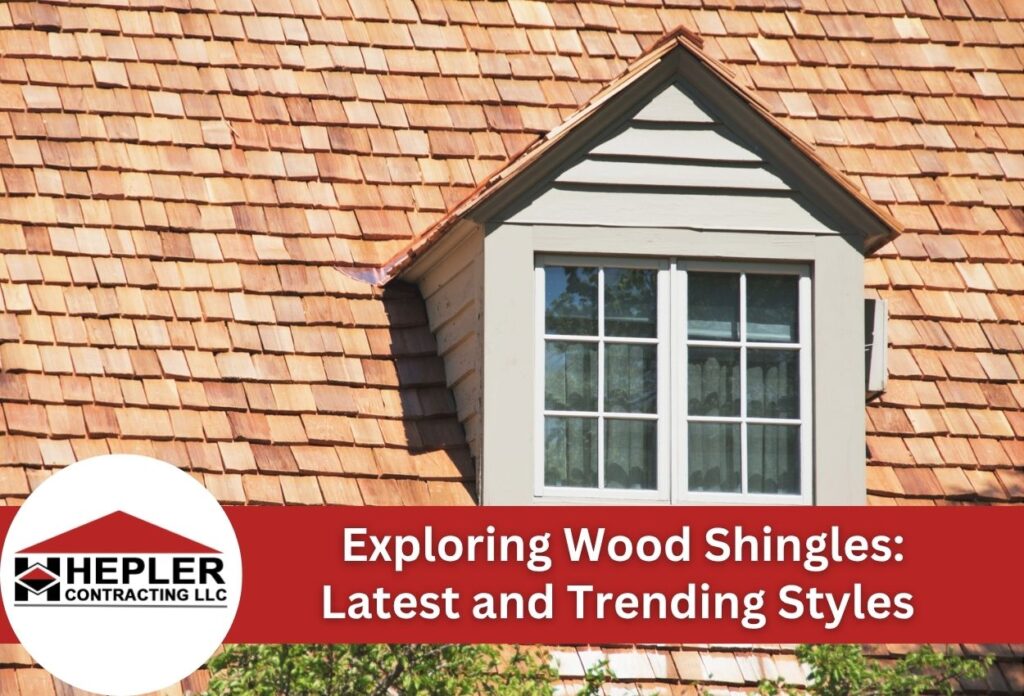
Winter weather poses serious challenges for wood shingle roofs that require careful attention and proactive maintenance. Cedar shingles and other wood roofing materials face unique vulnerabilities during cold months when moisture absorption becomes a critical concern. The freeze-thaw cycle creates particularly damaging conditions as absorbed water expands when temperatures drop, potentially causing splits, cracks, and warping that can compromise the roof’s structural integrity.
Wood shingles naturally absorb moisture from rain, snow, and ice, making them susceptible to winter-related damage without proper care. When water freezes within the wood fibers, expansion occurs that can permanently alter the shingle’s shape and create openings for further leaks. This cycle repeats throughout winter, gradually weakening individual shingles and potentially leading to structural issues.
Protecting cedar shingles in winter requires understanding these specific challenges and implementing targeted maintenance strategies. Preventing wood shingle damage starts with recognizing that wood roofing materials need different care compared to asphalt or metal alternatives. Winter roof inspection becomes essential for identifying vulnerable areas before harsh weather arrives.
Wood shingle weatherproofing and consistent winter wood shingle maintenance tips help homeowners preserve their investment and avoid expensive repairs. The key lies in addressing potential problems before they escalate into major issues requiring extensive restoration work.
A Pre-Winter Roof Inspection Checklist for Wood Shingle Homeowners
A thorough inspection before winter arrives helps identify potential problems that cold weather could make worse. Wood shingle roof care requires examining each section to spot loose, cracked, or missing shingles that need immediate attention. Start by checking the perimeter of the roof and work inward, looking for shingles that appear warped, split, or pulling away from their mounting points.
Cracked shingles often develop along the lines where they overlap and may not be immediately obvious from ground level. Missing shingles create obvious gaps that expose underlying materials to leaks. Loose shingles may appear secure but can shift during wind storms, creating entry points for water and debris.
Key warning signs include moss growth, which could indicate excessive moisture retention that can accelerate wood deterioration. Areas where moss appears thick require particular attention as they often signal underlying drainage issues. Damaged flashing around chimneys, vents, and roof gaps creates vulnerable spots where water can collect and freeze.
Pay special attention to valleys and areas where different roof planes meet, as these locations naturally collect water and debris. Look for gutters that pull away from fascia boards or show signs of ice dam formation from previous winters. These conditions suggest inadequate drainage that winter wood shingle maintenance tips should address before harsh weather returns.
Protecting Cedar Shingles from Moisture Damage During Winter Storms
Moisture management becomes critical for wood shingle roof care during winter when standing water and ice create devastating conditions. Proper gutter maintenance forms the foundation of protecting cedar shingles in winter by directing water away from the roof’s surface before it can get between individual shingles. Clean gutters allow melting snow and rain to flow freely, preventing backups that force water under shingle edges where it can freeze and cause splitting.
Remove all leaves, twigs, and debris from gutters before winter arrives, paying special attention to downspout connections where clogs commonly develop. Debris creates dams that cause water to pool along roof edges, increasing moisture exposure for wood shingles. Check that gutters maintain a proper slope toward downspouts and repair any sections that sag or pull away from fascia boards.
Ice dam prevention strategies protect vulnerable roof edges, where most winter wood shingle maintenance problems begin. Ice dams form when warm air from inside the house melts snow on upper roof sections, creating water that refreezes at colder eaves. This ice buildup forces melting water back up under shingles, where it can cause significant damage.
Adequate attic insulation and ventilation prevent the temperature differences that create ice dams by keeping the entire roof’s surface consistently cold. Install ridge vents and soffit vents to maintain proper airflow, and seal air leaks that allow warm indoor air to reach the roof deck.
Weatherproofing Methods That Extend Wood Shingle Lifespan in Cold Climates
Effective weatherproofing treatments create protective barriers that help wood shingles resist water penetration while maintaining their ability to breathe naturally. Apply water-repellent treatments during dry fall weather when temperatures remain consistently above 50 degrees Fahrenheit for the best absorption and curing.
Choose breathable sealers specifically designed for cedar and wood roofing materials that allow natural moisture movement while repelling surface water. Oil-based treatments typically provide superior penetration compared to water-based alternatives, creating longer-lasting protection against winter moisture exposure. Apply treatments using low-pressure spray equipment or brush application, ensuring even coverage across all exposed shingle surfaces.
Timing becomes important for wood shingle weatherproofing applications, as treatments require adequate drying time before winter weather arrives. Plan applications during stable weather periods when rain is not expected for at least 48 hours after treatment’s completion. This allows the protective compounds to cure properly and bond effectively with the wood fibers.
Ventilation improvements work alongside protective treatments to prevent moisture accumulation that leads to premature shingle deterioration. Install continuous ridge venting systems and ensure adequate soffit ventilation to maintain proper airflow through the attic space. This prevents condensation buildup that attacks shingles from below while allowing surface treatments to protect against external leaks throughout winter.
Safe Snow and Ice Removal Techniques for Wood Shingle Roofs
Heavy snow creates significant stress on wood shingle roofs that require careful removal techniques to prevent damage during winter. Excessive weight can cause individual shingles to crack, split, or pull away from their mounting points, especially when ice forms underneath and creates uneven pressure. Wood shingle roof care during heavy snowfall requires the use of proper tools that remove accumulated snow without scraping or gouging the delicate wood surface.
A roof rake with soft bristles or a rubber edge provides the safest method for removing snow from wood shingles while standing safely on the ground. Work from the eaves upward in small sections, allowing snow to slide naturally rather than forcing it off in heavy chunks. Pull straight down rather than dragging the rake sideways across shingles, which can catch and tear individual pieces loose from their installation points.
Harsh scraping tools and metal shovels cause severe damage to wood shingles by gouging surface fibers and creating splinters that accelerate leaks. Ice chipping with hammers or chisels splits wood along natural grain lines and creates permanent damage that compromises the roof’s weather resistance. These aggressive approaches often cause more harm than leaving moderate snow loads in place.
Professional winter wood shingle maintenance tips recommend gentle techniques that work with natural melting patterns rather than forcing immediate removal. When ice dams form, applying warm water or calcium chloride ice melters creates safer melting conditions than mechanical removal methods that risk shingle damage throughout the protected roof surface.
Identifying and Addressing Winter Damage Before It Spreads
Early detection of winter damage prevents minor issues from escalating into expensive wood shingle roof repairs that require extensive restoration work. Small cracks in individual shingles often appear insignificant but can rapidly expand when leaks create freeze-thaw cycles within the wood fibers. These hairline splits typically develop along the natural grain lines and become more visible as moisture absorption causes the wood to swell and contract repeatedly during temperature fluctuations.
Loose shingles present immediate concerns in winter because they create gaps that expose underlayment materials to direct weather exposure. Wind uplift during storms can completely remove shingles that show early signs of loosening, leaving vulnerable areas that allow leaks to develop deep through the roof structure. Check for shingles that appear slightly raised, shifted from their original position, or missing nails that secure them to the roof deck.
Visual inspection from ground level reveals many winter wood shingle maintenance problems before they require professional intervention. Use binoculars to examine suspect areas closely, looking for dark staining around shingle edges that indicates leaks or moss growth that signals excessive moisture retention.
Simple repairs like replacing individual loose shingles or applying targeted sealant to small cracks fall within most homeowners’ capabilities when proper safety precautions are followed. However, widespread damage patterns, structural concerns, or repairs requiring extensive roof access warrant professional evaluation to ensure proper winter roof inspection protocols and prevent wood shingle damage strategies receive expert application for long-term protection.
Professional Maintenance Services That Keep Wood Shingle Roofs Winter-Ready
Annual professional inspections provide comprehensive wood shingle roof care that identifies developing problems before they become expensive winter repairs. Experienced roofing contractors understand the specific challenges that Pittsburgh-area winters create for wood shingle systems and can spot early warning signs that homeowners often miss during routine visual checks. These detailed evaluations examine shingle condition, flashing integrity, ventilation systems, and drainage components that work together to protect cedar shingles in winter conditions.
Professional maintenance services catch subtle issues that compromise the roof’s ability to handle harsh weather. Contractors use specialized tools and safety equipment to access steep or dangerous roof areas where winter damage commonly begins. Their trained eyes recognize patterns of deterioration that indicate underlying problems requiring immediate attention before snow loads and ice formation create more extensive damage.
Experienced roofing professionals provide specialized treatments that extend to wood shingle lifespan through multiple winter seasons using commercial-grade products unavailable to homeowners. Professional-applied sealers and protective treatments go deeper into wood fibers and last longer than standard retail products. These contractors understand proper application timing, surface preparation requirements, and curing conditions necessary for maximum effectiveness in preventing wood shingle damage.
Winter roof inspection services include documentation of current conditions and recommended maintenance schedules tailored to specific roof characteristics. Professional wood shingle weatherproofing programs combine preventive treatments with targeted repairs using winter wood shingle maintenance tips proven effective in harsh climates, ensuring the best possible protection when severe weather arrives.
Wood Shingle Maintenance and Winterization from Hepler Contracting LLC
As the cold months approach, it’s crucial to prepare your wood shingle roof for winter. Wood shingles require specific care to combat the harsh winter conditions that can lead to severe damage. Hepler Contracting LLC offers expert services to help protect your roof against moisture absorption, freeze-thaw cycles, and other winter-related issues. Our team specializes in preventive maintenance and repair to ensure your roof remains strong and durable through the winter.
Call us today at (412) 694-8785 to schedule a professional inspection and maintenance service. Keep your home safe and warm this winter with Hepler Contracting LLC.