Pay Online

 (412) 694-8785
×
(412) 694-8785
×
OPEN 24 HOURS
OPEN 24 HOURS
Commercial roofs in Gibsonia face intense pressure from seasonal temperature changes that can weaken seams, crack membranes, and loosen fasteners over time. Winter brings heavy snow that can hide structural problems beneath layers of ice, while summer heat and humidity place additional stress on flat roof systems like TPO and EPDM. These conditions don't just wear down roofing materials, they create hidden vulnerabilities that often go unnoticed until leaks develop or interior damage becomes visible.
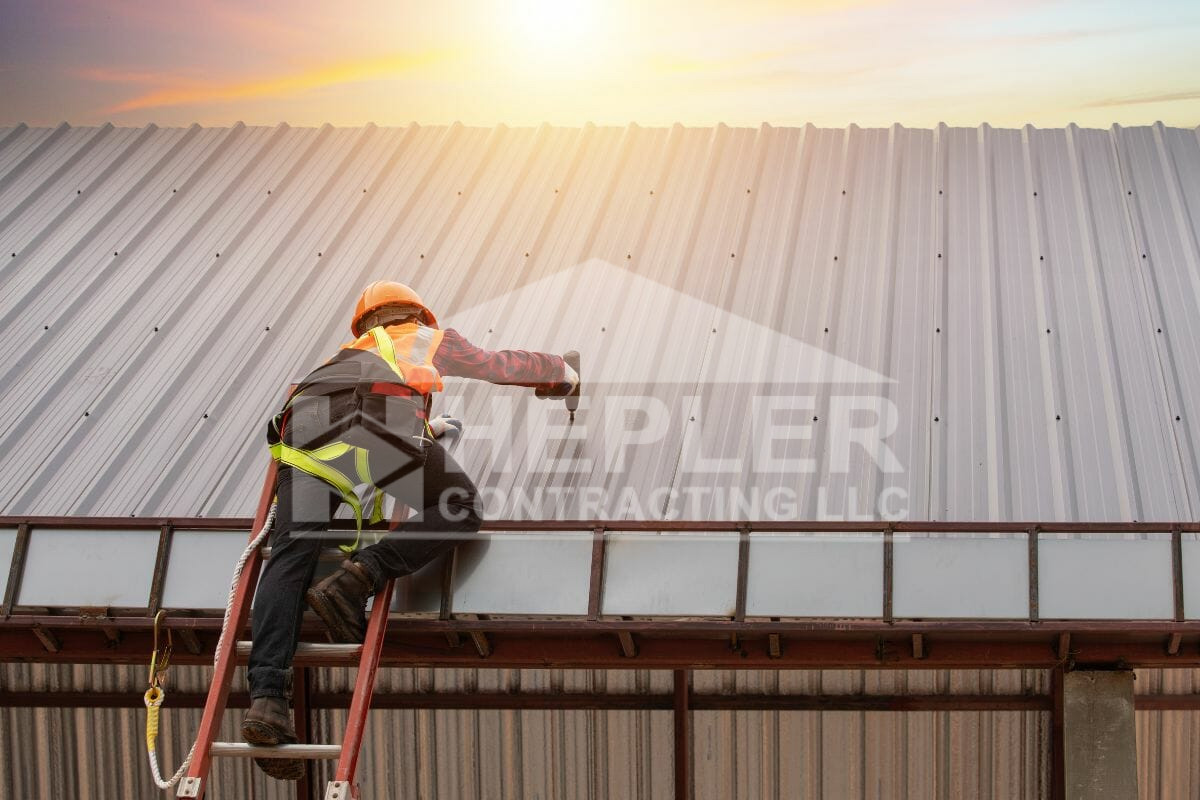
A thorough commercial roof inspection gives you a clear picture of your roof's condition before small issues turn into major failures. Hepler Contracting LLC works with businesses throughout Gibsonia to identify patterns of wear on the roof’s surface, membrane damage, drainage concerns, and structural vulnerabilities that compromise the roof’s performance. Our team understands how local weather patterns affect different roofing systems and know exactly what to look for on low-slope and flat commercial roofs common to the area.
We understand that uncertainty about your roof's condition creates stress and complicates planning. Our inspection process removes that uncertainty by giving you a complete, honest evaluation of exactly where your commercial roof stands.
Every commercial roof has specific vulnerable points where problems typically start, and knowing what gets examined during a professional inspection helps you understand what your building really needs. Our team focuses on the areas most likely to develop issues based on local weather patterns and the typical wear we see on flat and low-slope roofing systems throughout Gibsonia.
Regular inspections catch these issues while they're still manageable, saving you from expensive emergency repairs and protecting your building from interior damage.
Western Pennsylvania weather can be unpredictable, and commercial roofs that seem fine on the surface often hide problems that grow worse with each passing season. Regular inspections give you the information you need to make smart decisions about maintenance and repairs before minor issues require full roof replacement. This approach protects your building, reduces long-term costs, and helps you avoid unexpected disruptions to your business operations.
Hepler Contracting LLC works with property managers and business owners throughout Gibsonia to provide honest, thorough roof inspections that deliver real value. When you're ready to get a clear picture of your roof's condition, reach out to schedule an inspection for your commercial property.
Got questions about your roof? We’ve got answers. From maintenance tips to insurance claims and repair timelines, our FAQ section covers the most common concerns homeowners have. Get informed and make confident decisions about protecting your home.
A commercial roof inspection looks beyond the visible membrane to evaluate flashings, penetrations, drainage systems, roof edges, and transitions. Inspectors also check areas around HVAC units, skylights, vents, and parapet walls where leaks commonly start. Interior spaces beneath the roof may be reviewed as well to identify moisture staining or insulation issues.
Most inspections are designed to be low-impact and can be completed without interrupting normal business activities. Inspectors typically access the roof from exterior ladders or roof hatches, limiting foot traffic inside the building. When interior checks are needed, they are scheduled in advance to avoid sensitive work areas.
In most cases, HVAC units and other rooftop systems remain fully operational during an inspection. Inspectors work around active equipment and do not interfere with controls or electrical components. If a closer evaluation is needed, coordination happens ahead of time to avoid disruption.