Pay Online

 (412) 694-8785
×
(412) 694-8785
×
OPEN 24 HOURS
OPEN 24 HOURS
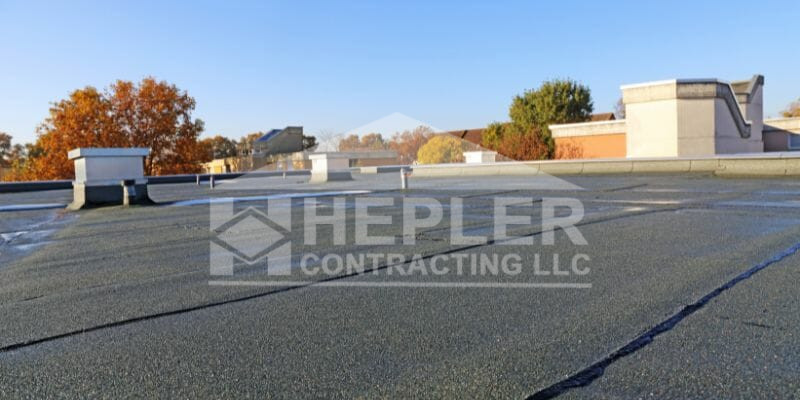
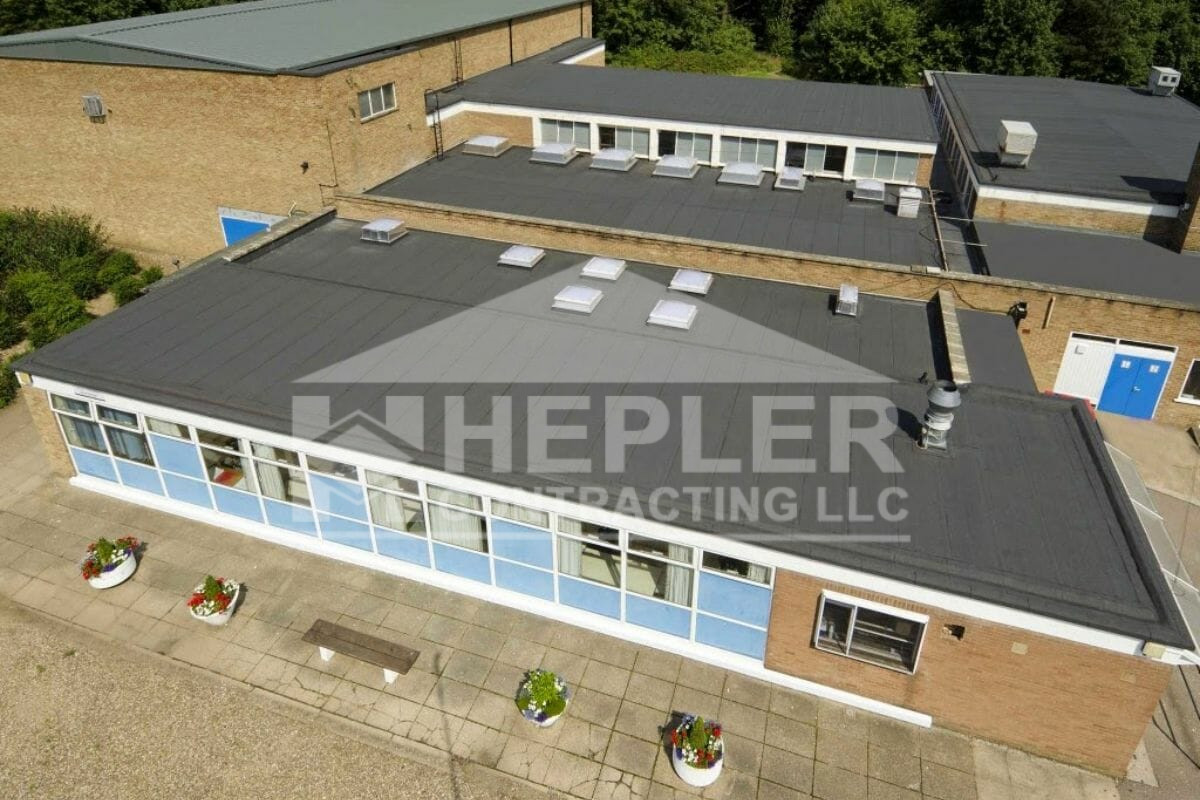
The humid continental climate in Mars, PA puts extreme stress on EPDM roofing membranes throughout the year. Winter brings heavy snow that sits on flat and low-slope roofs, creating ponding water as it melts. Summer humidity accelerates moss and algae growth along seams and edges. Between seasons, dramatic temperature changes cause the rubber membrane to expand and contract repeatedly, which weakens seams and can lead to cracks or punctures. Many older commercial and residential flat roofs in Allegheny County were installed decades ago, and these weather patterns take a serious toll. Add in the tree debris and acorns common in wooded neighborhoods around the Pittsburgh metro area, and you have a recipe for membrane damage that leads to leaks, interior water damage, and expensive structural repairs if ignored.
Professional EPDM roof repair addresses these specific regional challenges before small problems become major failures. Hepler Contracting LLC understands how local weather conditions affect rubber roofing systems and knows exactly what to look for during inspections. We repair seam separations, patch punctures, eliminate ponding issues, and restore the protective barrier your property depends on. Our experience with the unique demands of Mars-area roofs means we can extend the life of your EPDM membrane and prevent the leaks that threaten your building’s interior and foundation.
Uncertainty about roof problems leads to stress and delayed decisions. Our structured repair process removes that uncertainty by showing you exactly what’s happening on your roof and what it will take to fix it.
EPDM membranes fail in predictable ways when exposed to local weather patterns. Understanding what causes damage helps you recognize when your roof needs attention before leaks spread to ceilings and walls. The problems we encounter most often in Mars stem directly from the region’s temperature swings, humidity, and debris accumulation.
Keeping your EPDM roof in working condition protects your property from water damage that leads to expensive interior repairs and structural issues. The environmental pressures that affect Mars-area buildings require routine attention to seams, membranes, and drainage systems. Scheduling repairs before winter helps avoid the problems that come with snowmelt and temperature changes, while addressing damage early extends the useful life of your existing rubber roofing system. A professional evaluation gives you the information you need to make confident decisions about your flat roof.
When you’re ready to address damage or verify the condition of your EPDM membrane, Hepler Contracting LLC is ready to help. We bring local experience and a clear process to every project in Mars and the surrounding Allegheny County area. Reach out to schedule a commercial roof inspection and get the answers you need about your flat roof system.
Hepler Contracting LLC answers the most common questions property owners in Mars, PA ask about EPDM roof repair. Here’s what you need to know about maintaining and repairing your rubber membrane roofing system.
Most EPDM repairs take between four hours and two full days depending on the extent of damage and membrane condition. Simple seam reseals or small puncture patches can be finished in a single afternoon, while larger repairs involving multiple problem areas or extensive ponding issues require more time. We schedule work during stretches of dry weather with temperatures above 50 degrees to ensure proper adhesive bonding. You’ll receive a realistic timeline in your written estimate before any work begins.
Repair costs depend on the size of the damaged area, the type of problem being fixed, and how accessible your roof is. Seam separations require different materials and labor than puncture patches or shrinkage corrections around flashing. Roofs with significant organic growth need cleaning before repair materials can bond properly, which adds to the project scope. The age of your existing membrane also matters, since older rubber may need more extensive prep work to achieve lasting adhesion.
You should consider replacement if your membrane shows widespread cracking, multiple leak points across different sections, or severe shrinkage around most penetrations and edges. Isolated damage like a few separated seams or localized punctures can usually be repaired effectively. During our inspection, we’ll show you the difference between damage that responds well to patching and deterioration that indicates the membrane has reached the end of its service life. You’ll see the evidence firsthand and understand which option makes the most sense for your building.