 Pay Online

How to Safely Install an Emergency Roof Tarp After Storm Damage
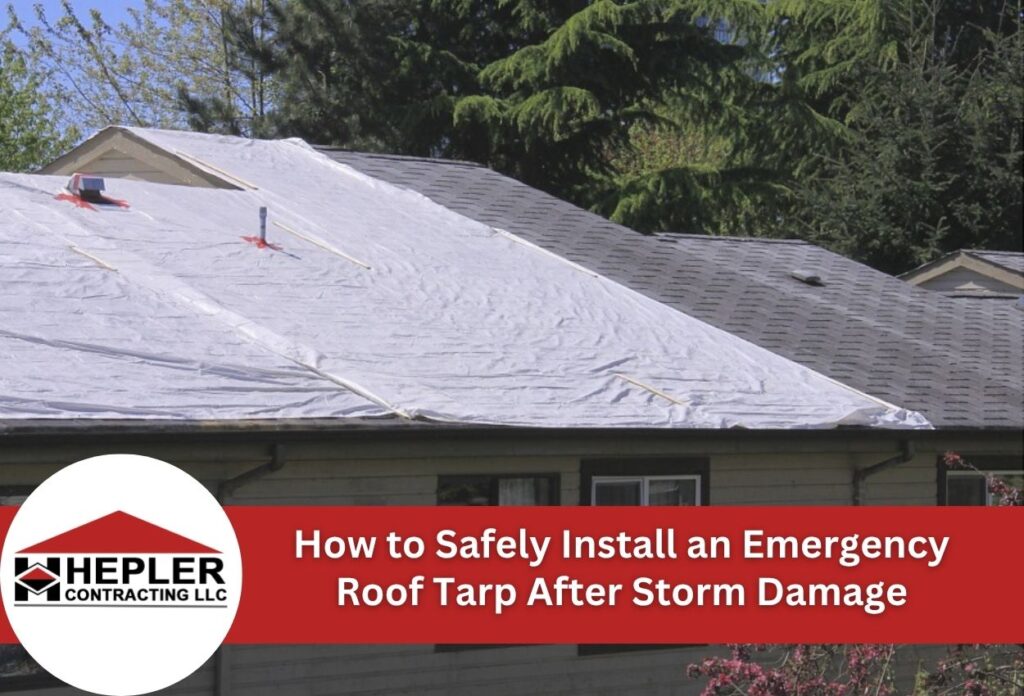
When severe weather strikes and damages a roof, time becomes critical in preventing further destruction to your home’s interior. Emergency roof tarp installations are a vital temporary roof repair solution that protects your property from any rain, wind, or debris that could cause larger issues until permanent repairs can be scheduled. Storm damage roof protection requires immediate action, as even minor roof openings can lead to extensive water damage, mold growth, and structural deterioration within hours.
The emergency tarp installation process involves more than simply throwing a waterproof tarp over damaged areas. Proper installation requires specific roof tarp materials, safety equipment, and techniques to ensure the covering remains secure during continued weather exposure. Understanding when emergency tarping becomes necessary helps homeowners make the right decisions about protecting their investment.
Safety considerations play an important role in determining whether to attempt a DIY installation or contact roofing professionals. Wet surfaces, unstable debris, and compromised structural integrity create dangerous conditions that can result in serious injury. Factors such as roof pitch, the extent of the damage, weather conditions, and personal experience with roof work all influence the safest approach to emergency roof protection. Making the right choice between professional installation and DIY attempts can mean the difference between effective temporary protection and additional property damage.
Essential Materials and Tools for Emergency Roof Tarp Installation
Selecting the appropriate roof tarp materials begins with assessing the extent of the damage and the current weather conditions. Heavy-duty polyethylene tarps ranging from 6 to 12 mil thickness provide optimal waterproof tarp application for most residential emergencies. Blue poly tarps offer standard protection, while reinforced vinyl tarps deliver superior durability against wind and debris. Tarp dimensions should extend at least 4 feet beyond damaged areas on all sides to ensure complete coverage and proper fastening points.
Required fastening hardware includes galvanized roofing nails, construction screws, and wooden furring strips to create secure anchor points. Essential tools for emergency tarp installations include a hammer, a drill with bits, a utility knife, measuring tape, and a chalk line for accurate placement in dry conditions. Safety equipment is extremely important during roof protection and must include non-slip footwear, work gloves, safety glasses, and a properly rated ladder with stabilizers. Additionally, harnesses with anchor points are smart investments and can potentially save you a hospital visit in the worst-case scenario.
Additional materials such as roofing cement, duct tape, and bungee cords provide supplemental securing options for challenging installations. Quality materials ensure temporary roof repair remains effective throughout extended weather exposure. Professional-grade supplies cost more initially but prevent repeated installations and potential interior damage. Having complete material lists prepared before emergencies occur enables faster response times when storm damage strikes residential properties.
Assessing Roof Damage Before Tarp Installation
Proper evaluation of storm damage determines the scope and urgency of emergency tarp installation steps required to protect the property. Visual inspection from ground level provides an initial assessment without creating additional safety risks. Binoculars help identify missing shingles, damaged flashing, punctured roofing materials, and structural compromise that requires an immediate waterproof tarp installation. Areas showing sagging, exposed decking, or large debris indicate priority zones needing storm damage roof protection.
Evaluating the structural integrity of your roof should focus on identifying compromised sections that may not support installation activities safely. Cracked rafters, damaged trusses, or unstable debris create hazardous conditions requiring professional intervention before temporary roof repair attempts. Interior inspection reveals water intrusion patterns and helps locate damage sources that external assessment may miss. Water stains, dripping sounds, and visible daylight through ceiling areas guide accurate tarp placement for maximum protection effectiveness.
Documentation has a dual purpose for insurance claim support and installation planning for the emergency roof tarp. Photographs from multiple angles capture the extent and specific affected areas requiring coverage. Written notes describing damage locations, approximate sizes, and surrounding conditions help contractors understand repair priorities. Accurate documentation ensures proper roof tarp materials selection and helps establish realistic timelines for permanent repair work while temporary protection remains in place.
Emergency Tarp Installation Process
Proper positioning begins the emergency roof tarp installation process by identifying the best anchor points that extend well beyond damaged areas. The tarp should cover all compromised sections while reaching stable roofing materials on all sides for secure attachment. Starting from the highest point of damage, unroll the waterproof tarp application carefully to avoid creating wrinkles or air pockets that could catch wind. Position the material so it follows the roof’s natural slope, allowing water to flow toward gutters rather than pooling on the surface.
Securing techniques for storm damage roof protection require systematic fastening that prevents wind uplift while maintaining waterproof integrity. Begin by attaching the top edge using furring strips and galvanized nails spaced every 12 inches along the length. Work downward in sections, pulling the material taut but not overly tight to accommodate thermal expansion. Side edges need overlapping folds that direct water away from the structure, secured with additional furring strips to create weatherproof seals.
Creating effective water runoff involves establishing proper drainage patterns during the temporary roof repair installation. Ensure the tarp maintains a consistent slope toward existing gutters or designated runoff areas. Avoid creating valleys or depressions where water can accumulate and potentially cause sagging or breakthrough. The bottom edge should extend into gutters or overhang the roof edge sufficiently to direct water away from foundation areas. Regular tension checks during installation prevent loose sections that compromise the emergency tarp installation steps and overall protection effectiveness.
Securing Your Waterproof Tarp Application for Long-Term Protection
Advanced fastening methods become essential when emergency roof tarp installation must withstand extended weather exposure beyond basic temporary protection. Double-batten systems using 2 parallel furring strips create superior holding power compared to single-strip installations. This technique involves placing the tarp edge between two wooden strips, then securing both pieces simultaneously with longer screws that go deep into solid decking material. The compressed tarp material between battens distributes stress more evenly and prevents tearing at individual fastener points during high winds.
Reinforcement strategies for roof tarp materials include adding protective layers at high-stress areas where wind uplift creates the greatest strain. Heavy-duty duct tape applied along fold lines and corners strengthens these vulnerable zones before they develop into failure points. Strategic placement of sandbags or weighted objects along the tarp edges provides additional downward pressure without creating puncture risks. Creating overlap seams where multiple tarps connect requires careful attention to water flow direction and secure bonding techniques.
Regular inspection checkpoints verify that the storm damage roof protection system maintains integrity throughout its service period. Weekly examinations should focus on fastener tightness, material condition around attachment points, and evidence of water infiltration beneath the covering. Early detection of loose sections, developing tears, or shifted positioning allows for prompt corrections before complete failure occurs. Scheduled maintenance of the emergency tarp installation steps ensures continued effectiveness until permanent repairs restore full weather protection to the structure.
Common Installation Mistakes That Can Compromise Emergency Protection
Inadequate fastening is the most common failure point in the installation process. Many property owners underestimate the tremendous forces that wind and weather create against even properly sized coverings. Using standard household nails instead of galvanized roofing fasteners leads to corrosion and loosening within days of installation. Insufficient fastener spacing allows wind to create lifting forces between attachment points, eventually tearing the roof tarp materials or pulling fasteners completely free from the decking.
Improper furring strip installation compounds fastening problems by creating concentrated stress points rather than distributing loads evenly across the waterproof tarp application. Placing strips too close to tarp edges reduces holding power, while positioning them too far inward leaves vulnerable material exposed to wind uplift. Failing to predrill fastener holes in furring strips can cause wood splitting that eliminates secure attachment. These temporary roof repair mistakes often result in complete tarp failure during the next storm.
Sizing errors create numerous problems that compromise the effectiveness of storm damage roof protection systems. Tarps cut too small leave damaged areas exposed or create insufficient overlap for proper sealing. On the other hand, oversized materials create excessive loose fabric that catches wind and generates destructive forces throughout the installation. Poor positioning that fails to follow natural water flow patterns allows infiltration along edges and through improperly sealed joints. These fundamental errors in an emergency tarp installation frequently require complete reinstallation and may cause additional interior damage before corrections can be completed.
Maintaining Your Temporary Roof Repair Until Professional Help Arrives
Once emergency tarp installation steps are complete, establishing a regular inspection schedule becomes essential for maintaining effective storm damage roof protection. Daily visual checks from ground level help identify obvious problems like displaced sections or visible sagging. Weekly close-up inspections allow for detailed examination of fastener points, material condition, and water intrusion signs. These scheduled assessments should focus on high-stress areas where wind uplift creates the greatest strain on the temporary roof repair system.
Critical warning signs that indicate tarp compromise include loose or flapping sections that develop during windy conditions. Water stains appearing on interior ceilings after the emergency roof tarp installation process suggest infiltration through damaged seams or inadequate coverage areas. Visible stretching or tearing around fastener points signals material failure that requires immediate attention.
Professional intervention becomes necessary when an inspection reveals extensive material deterioration or structural concerns beyond basic maintenance capabilities. Multiple torn sections, widespread fastener failure, or continued water infiltration despite apparent proper installation indicate the need for expert assessment. Additionally, any signs of roof deck sagging or additional storm damage occurring after the initial waterproof tarp application require professional evaluation. Roofing contractors possess specialized equipment and experience to address complex installation challenges while ensuring safety throughout the repair process until permanent restoration can be completed.
Expert Emergency Roof Tarp Installation by Hepler Contracting LLC
If you’re facing roof damage from a recent storm and need immediate protection, don’t delay in securing your home against the elements. Hepler Contracting LLC specializes in emergency roof tarp installation to ensure your property remains safe and dry. Our team is equipped with the right tools and expertise to handle any storm damage, roof protection,
and temporary roof repair efficiently and effectively.
Contact us at (412) 694-8785 now for a rapid response and expert service. Ensure your home is protected properly with a waterproof tarp application that withstands the elements until permanent repairs can be made.